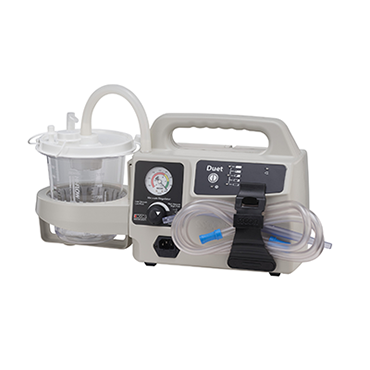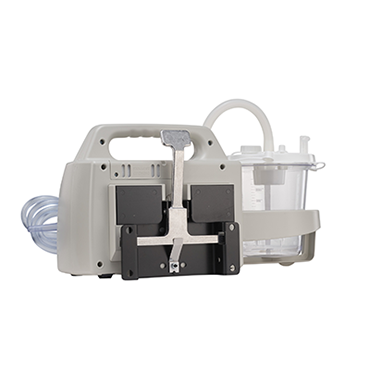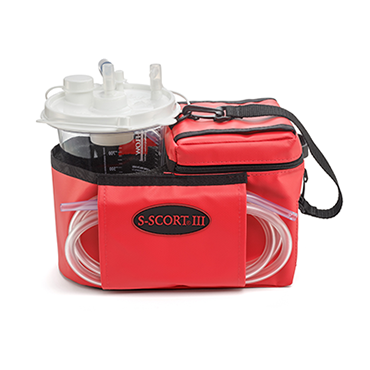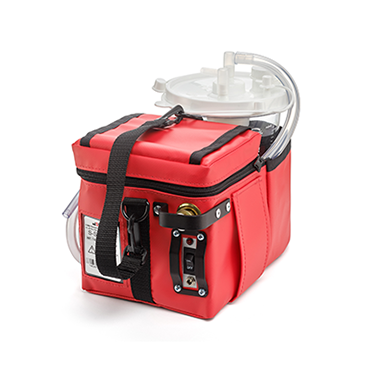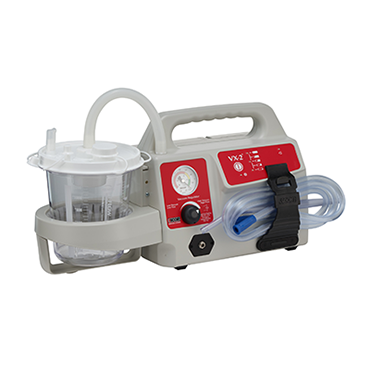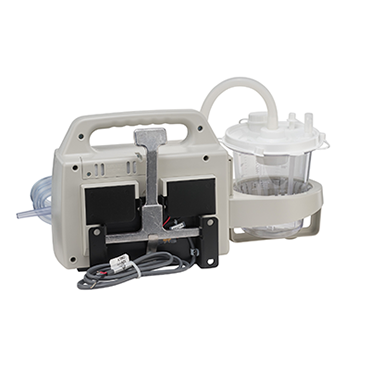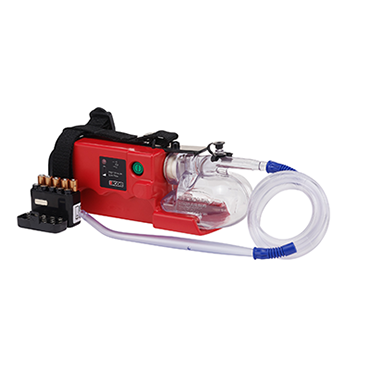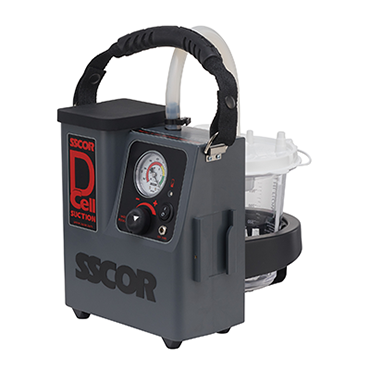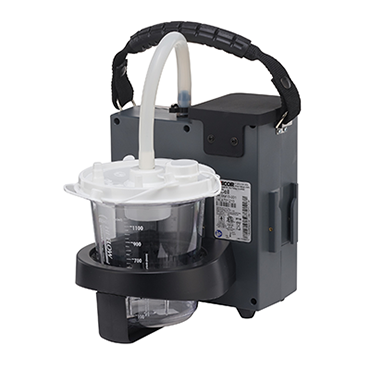



A portable suction device is a medical aspirator designed to remove fluids, secretions, or foreign materials from a patient's airway or surgical site. These devices function by generating negative pressure to facilitate airway clearance in both emergency and clinical environments. Selecting the appropriate portable suction unit ensures effective patient care across diverse medical settings. When considering how to choose portable suction regulators, you must evaluate specific clinical needs. Consider these factors when evaluating devices:
- Do you need a suction device that is handheld or that will mount to a crash cart?
- Do you want a portable aspirator that is rechargeable or runs on alkaline batteries?
- Will your device be used in emergent situations or for routine procedures?
A critical technical distinction among portable aspirators is the type of suction regulator used to control negative pressure. Some portable suction devices will have a variable suction regulator, while others will have a suction regulator with two settings. How can you determine which one best suit your needs? Let’s take a closer look.
Key Takeaways
- Portable suction devices generate negative pressure to remove fluids and secretions from a patient's airway.
- Variable suction regulators provide precise pressure control, while two-setting regulators offer rapid, simplified interface adjustments.
- Emergency medical providers often prefer two-setting regulators for quick, high-level suction during urgent airway clearance.
- Variable suction regulators are essential for delicate surgical procedures, neonatal care, and continuous gastric suctioning.
- Choosing the right regulator depends on the clinical environment, patient demographics, and required suction intensity.
Comparing Variable and Two-Setting Regulators in Portable Suction Devices
A portable suction machine with a variable suction regulator will come equipped with a dial and a gauge indicating the amount of negative pressure applied via suction. Turning the dial changes the amount of suction the unit produces. Variable suction regulators permit minute adjustments in suction power, typically ranging from 50 mm Hg to 500 mm Hg. With variable suction, one can pinpoint the exact amount of suction being used.
A two-setting suction regulator offers a simplified interface for rapid switching between high and low negative pressure levels. Switching between the settings will change the amount of suction from high to low. Though this will be device-dependent, the “high” setting will generally apply greater than 500 mm Hg of suction, while the “low” setting will deliver more gentle suction, near 100 mm Hg.

Clinical and Emergency Applications for Different Suction Regulators
In an emergency and when the airway needs to be cleared quickly, a two-setting regulator can be extremely useful. A two-setting regulator provides high-level suction for removing thick oral secretions and can be quickly adjusted to lower levels for tracheal suctioning or pediatric patients. When fast-paced action is necessary, like for an EMS provider in the field, the two-setting has some great advantages because less adjustment is needed.
However, the precision of a variable suction regulator can be desirable. Some procedures, like continuous gastric suction, require the amount of suction applied to be set at specified levels. Additionally, very low suction levels may be needed when dealing with delicate tissues during surgery or when working with a neonate. Precise control of negative pressure for neonates or delicate tissues can only be achieved with a variable suction regulator. In the hospital, in a home setting, in a long-term care facility, or as a backup in a surgical center, a portable suction unit with a variable regulator may be more beneficial.
Choosing the Right Suction Regulator for Your Clinical Needs
Both variable and two-setting suction regulators offer distinct clinical advantages depending on the environment. Instead of debating which type of portable suction device is better, appreciate the great versatility of the products that exist today.
Your choice will ultimately depend on:
- Where you need your portable suction device
- Who you will need to use it on
- What types of suctioning will be needed
Careful consideration of your specific suction needs will determine whether a variable or two-setting suction regulator is right for you. Portable suction saves lives.
For assistance buying the right emergency equipment, download our free guide.

Editor's Note: This blog was originally published in September, 2023. It has been re-published with additional up to date content.