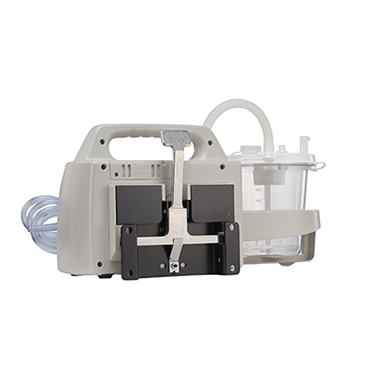
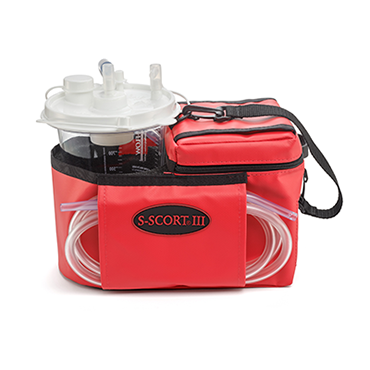
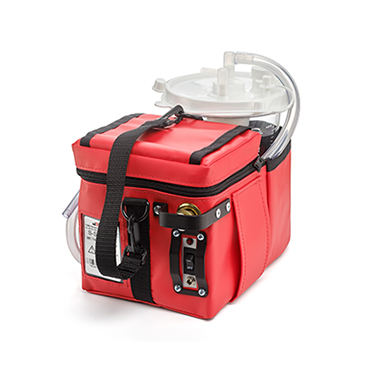
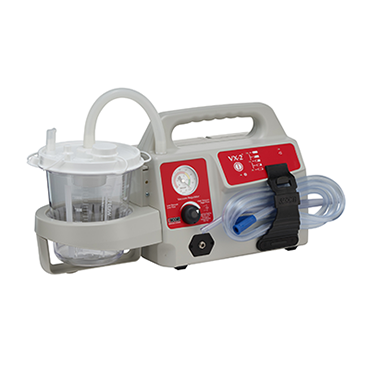
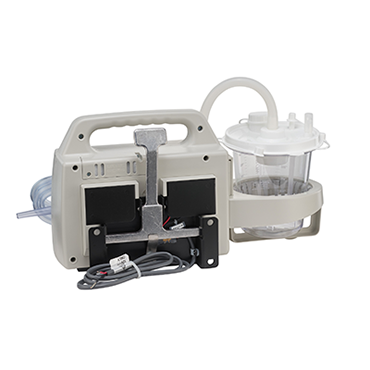
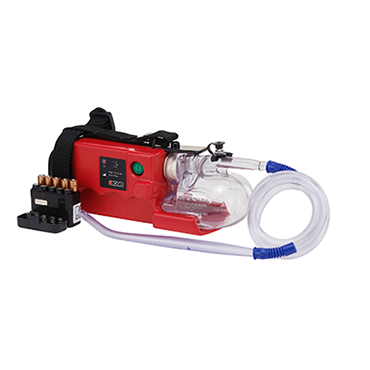
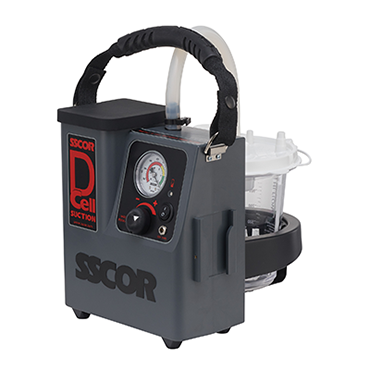
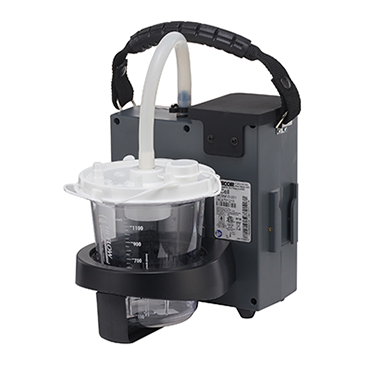
Efficient emergency medical responses are defined by the principle to "be quick, but don’t hurry," a concept famously advocated by coach John Wooden that requires a balance of clinician training and intuitive equipment design. This mechanism allows a well-trained provider to execute life-saving skills rapidly while minimizing the risk of errors caused by rushed movements. Understanding how equipment design improves emergency medical response is essential for prioritizing devices with straightforward controls to optimize patient outcomes during high-stress airway management and resuscitation procedures.
Key Takeaways
-
- Intuitive device controls directly reduce the risk of human error during high-stress medical emergency procedures.
- Proper equipment selection balances clinical training requirements with the need for rapid, efficient device deployment.
- Standardizing device interfaces across hospital and field environments improves clinician performance and reduces cognitive load.
- Portable medical devices must maintain full functionality and stability during patient transport to ensure continuous care.
- Selecting essential features over unnecessary complexity streamlines emergency workflows and enhances overall patient safety outcomes.
Read More
Topics:
Handheld portable suction,
Emergency medical suction,
Suction for EMS professionals,
EMS suction,
Patient Transport,
Emergency Preparedness,
EMS Professionals
Whether you have a disability or someone you know has one, disability impacts everyone at all ages and stages of life. According to the Centers for Disease Control and Prevention, more than one in four adults in the U.S. has some type of disability, and 12.2% of U.S. adults have a mobility disability with serious difficulty walking or climbing stairs.
Read More
Topics:
Emergency medical suction,
Airway management,
Emergency Preparedness,
medical scenarios,
emt scenarios
When faced with the challenge of transporting someone in respiratory distress, emergency responders should be able to identify the symptoms and remain prepared to spring into action with the right procedures and equipment.
Read More
Topics:
Emergency medical suction,
Emergency Preparedness,
EMS Professionals
Many unexpected symptoms can stem from common traumas and accidents, and individuals often suffer significant airway damage from traumatic events. Around the world, injuries such as car accidents, gunshot wounds, and concussions account for more than 3 million non-fatal injuries annually. These common trauma scenarios can happen to anyone.
Read More
Topics:
Airway management,
Emergency Preparedness,
medical scenarios,
Trauma
By the beginning of 2026, predictions suggest that Canada may face another intense wildfire season, with expectations that it could rank among the hottest years ever recorded. This comes on the heels of a catastrophic 2025 season, which was the second most severe in history, marked by widespread evacuations and large-scale, unmanageable fires. These wildfires have an impact on air quality and the environment in the northeastern U.S. and beyond.
Read More
Topics:
Emergency Preparedness
The total cost of natural disasters reached more than $203 billion worldwide in 2023. Catastrophes such as hurricanes, wildfires, droughts, floods, and earthquakes displace millions of people every year and send thousands to emergency departments.
Read More
Topics:
Emergency Preparedness
Chief among a health care provider’s worst nightmares, apart from losing a patient, is unintentionally harming one. In addition to a feeling of failure or shame, a poor outcome carries the risk of a malpractice allegation.
Read More
Topics:
Emergency Preparedness
As a paramedic, you are frequently called upon to treat respiratory emergencies that come in many forms, from asthmatics to those with emphysema to pediatrics suffering from obstructions. No matter the type of call, emergencies involving the respiratory system are some of the most critical you will handle. Recognizing the true respiratory emergency is the first step in treating it. It all starts with your assessment.
Read More
Topics:
Emergency Preparedness
While it may seem like a minor consideration to some, EMS providers know that patient positioning plays a crucial role in the quality, safety and effectiveness of medical treatment. An article from the Anesthesia Patient Safety Foundation states that patient positioning is 90% of the airway management battle.
Read More
Topics:
Emergency medical suction,
Airway management,
Emergency Preparedness