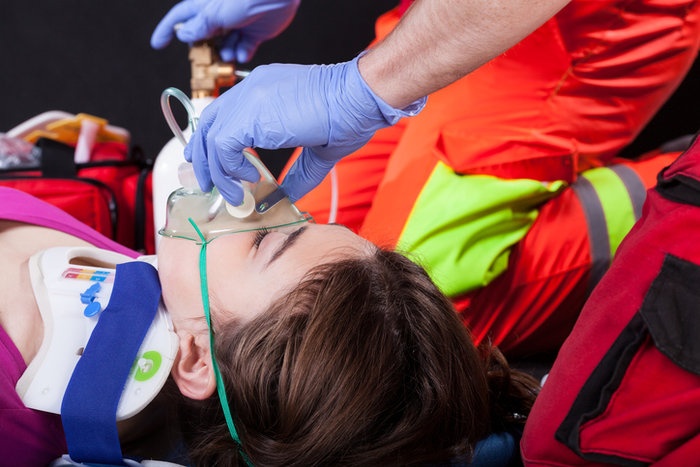
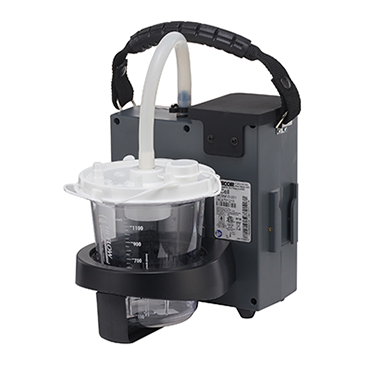
Efficient emergency medical responses are defined by the principle to "be quick, but don’t hurry," a concept famously advocated by coach John Wooden that requires a balance of clinician training and intuitive equipment design. This mechanism allows a well-trained provider to execute life-saving skills rapidly while minimizing the risk of errors caused by rushed movements. Understanding how equipment design improves emergency medical response is essential for prioritizing devices with straightforward controls to optimize patient outcomes during high-stress airway management and resuscitation procedures.
Key Takeaways
-
- Intuitive device controls directly reduce the risk of human error during high-stress medical emergency procedures.
- Proper equipment selection balances clinical training requirements with the need for rapid, efficient device deployment.
- Standardizing device interfaces across hospital and field environments improves clinician performance and reduces cognitive load.
- Portable medical devices must maintain full functionality and stability during patient transport to ensure continuous care.
- Selecting essential features over unnecessary complexity streamlines emergency workflows and enhances overall patient safety outcomes.
Read More
Topics:
Handheld portable suction,
Emergency medical suction,
Suction for EMS professionals,
EMS suction,
Patient Transport,
Emergency Preparedness,
EMS Professionals
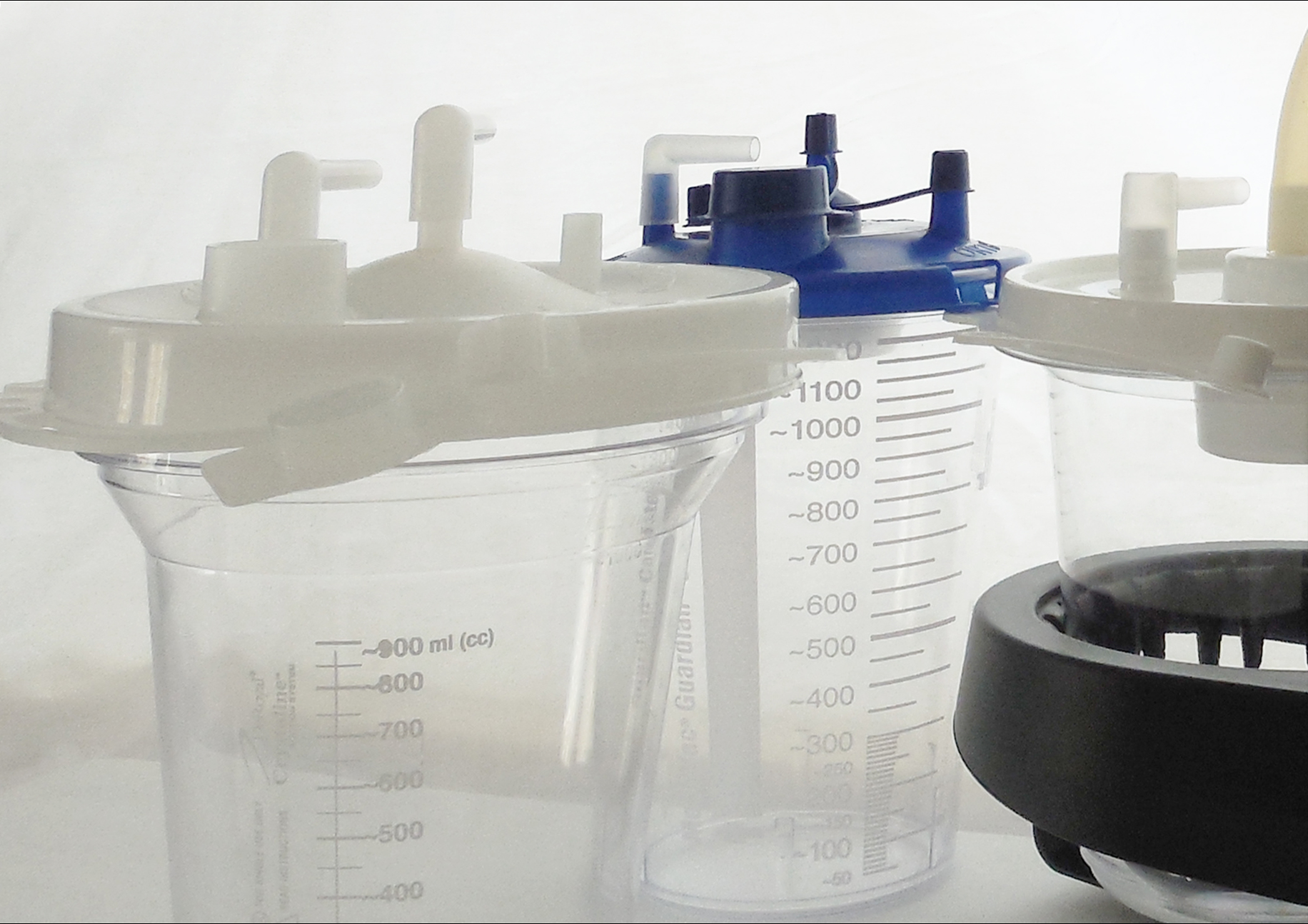
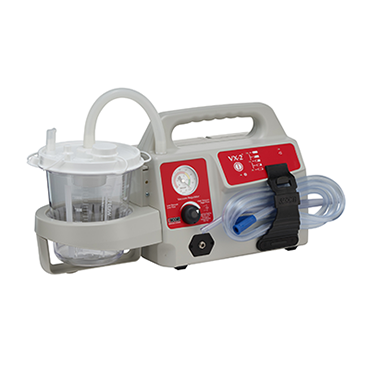
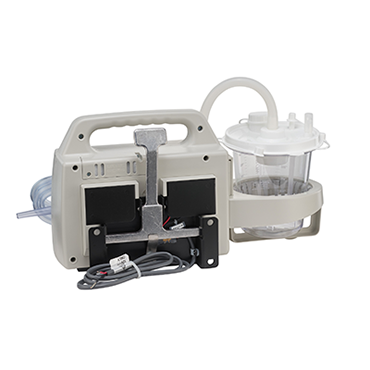
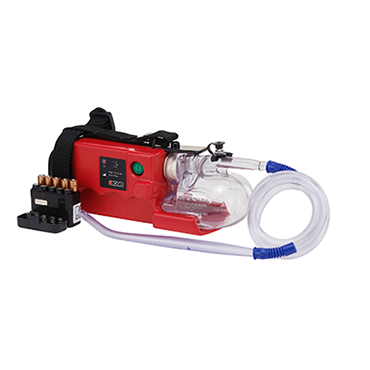
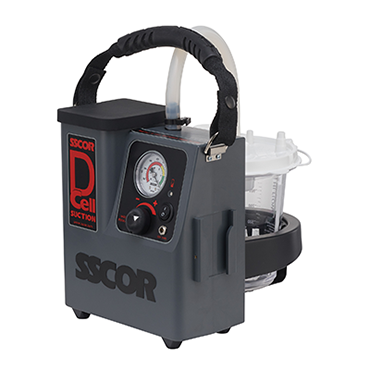
A portable suction unit is a medical device designed to remove fluids, secretions, and foreign materials from a patient's airway to ensure patency. These devices utilize negative pressure to aspirate blood, vomit, or mucus through a catheter into a collection canister. Proper maintenance of these units is vital for effective airway management and preventing hypoxia during emergency medical response. Learning how to maintain portable suction units is a critical skill for any medical professional, as it ensures the device is ready for immediate use.
Key Takeaways
- Portable suction units use negative pressure to clear patient airways and prevent life-threatening hypoxia incidents.
- Regular maintenance of suction devices ensures they are functional and ready for critical emergency medical scenarios.
- Battery health checks and power reliability tests are essential components of routine suction unit maintenance protocols.
- Strict decontamination procedures prevent pathogen transmission by requiring the disposal of all used suction unit components.
- Proper storage environments protect portable suction equipment from extreme temperatures, moisture, and potential mechanical debris damage
Read More
Topics:
Handheld portable suction
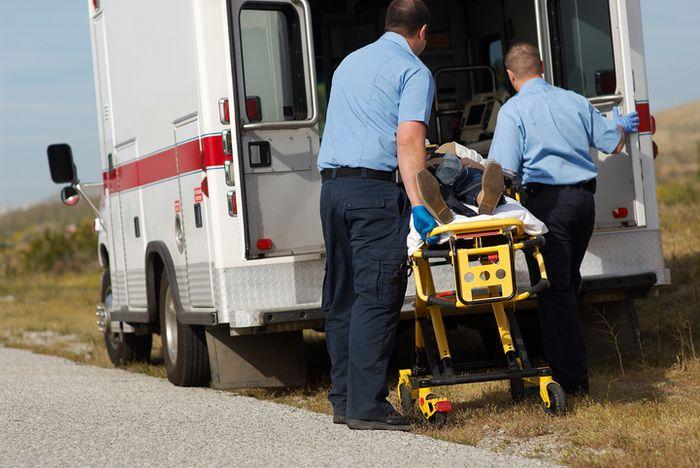
As an EMS professional, you rely on your equipment. Imagine for a moment what it was like just 50 years ago, when emergency transport meant simply placing a patient in the back of a makeshift ambulance (typically a station wagon) and driving as fast as you could to a hospital. Things have certainly improved not only for our patients, but for providers.
Read More
Topics:
Handheld portable suction
Those of us in the medical profession know how important quality equipment is to overall patient care. We are only as good as our equipment; if it doesn't function well, it's hard for us to do our best.
Read More
Topics:
Handheld portable suction
As an emergency medical professional, you rely on sophisticated tools to treat your patients. From cardiac monitors that defibrillate and cardiovert to drugs that reverse anaphylaxis and pulmonary edema, you are responsible not only for the benefits but also the dangers associated with such therapies. Even the simplest treatment can pose serious harm when not applied properly. A great example is your portable suction machine. Here, we’ll discuss three dangerous mistakes to avoid when applying portable suction in the field.
Read More
Topics:
Handheld portable suction
Portable suction can be a quick emergency intervention, a long-term treatment for patients under anesthesia, or a way to maintain safety and hygiene for people on ventilators.
Read More
Topics:
Portable suction for hospitals,
Handheld portable suction
Let's face it: Pediatric patients can be intimidating. They're small, they cry a lot, they require different medication dosages, and, fortunately, we don't run into them with great frequency.
Read More
Topics:
Handheld portable suction,
Emergency medical suction
In the event of a pandemic or other health emergency, hospital emergency departments and intensive care units can become overwhelmed. Doctors, nurses, and medical personnel are being asked to go above and beyond to protect patients — and to do it quickly.
Read More
Topics:
Portable suction for hospitals,
Handheld portable suction
It was the third vehicle crash of the shift. The first two were minor – low-speed fender benders with minor injuries. This one was different: a high-speed impact involving an unrestrained driver. The facial injuries were extensive.
Read More
Topics:
Handheld portable suction,
Medical Suction for Dental
The call came in the moment you placed your gear on the truck—a high-speed crash at that same dangerous intersection. Police on the scene are reporting they have three patients, one of whom is in cardiac arrest. CPR is being administered by bystanders. You hit your siren and respond.
Read More
Topics:
Handheld portable suction