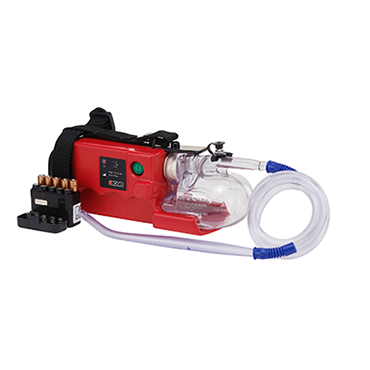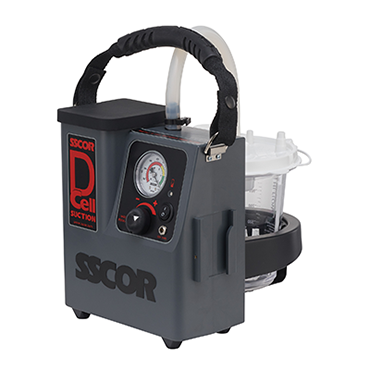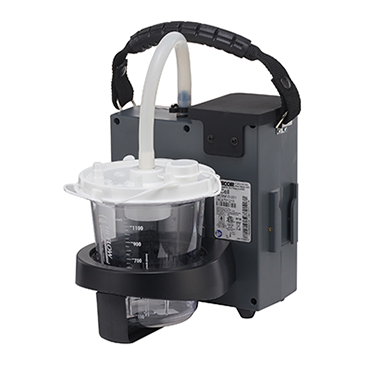
Thank you for visiting the SSCOR Blog.

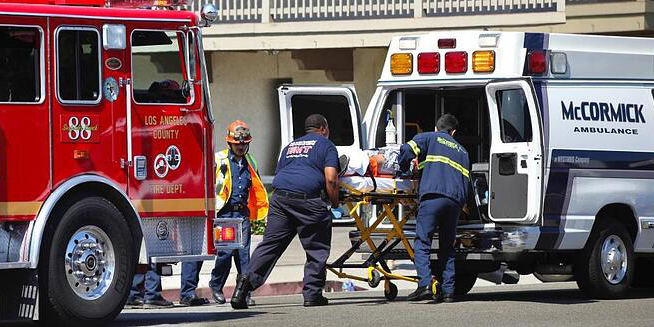
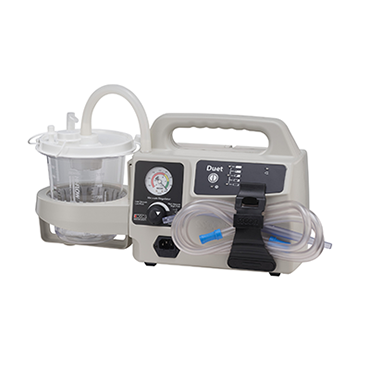
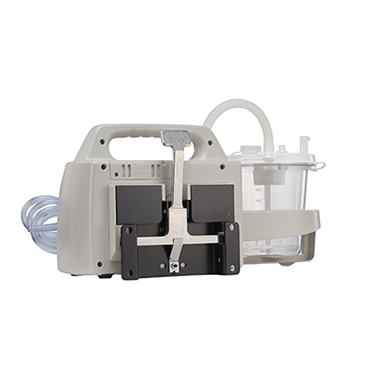
Whether you're in a Hospital or EMS setting, this is the place for you. We'll share information on current industry news, tips, as well as the latest and greatest in SSCOR products.

Our hope is that this blog is not only informative but a collaborative and open forum for you to share your thoughts on developing opportunities and challenges within your profession.

Subscribe. Share your thoughts. Enjoy.

-SSCOR Team


How Equipment Design Improves Emergency Medical Response

Posted by Sam D. Say

Sep 11, 2026, 12:39:49 PM


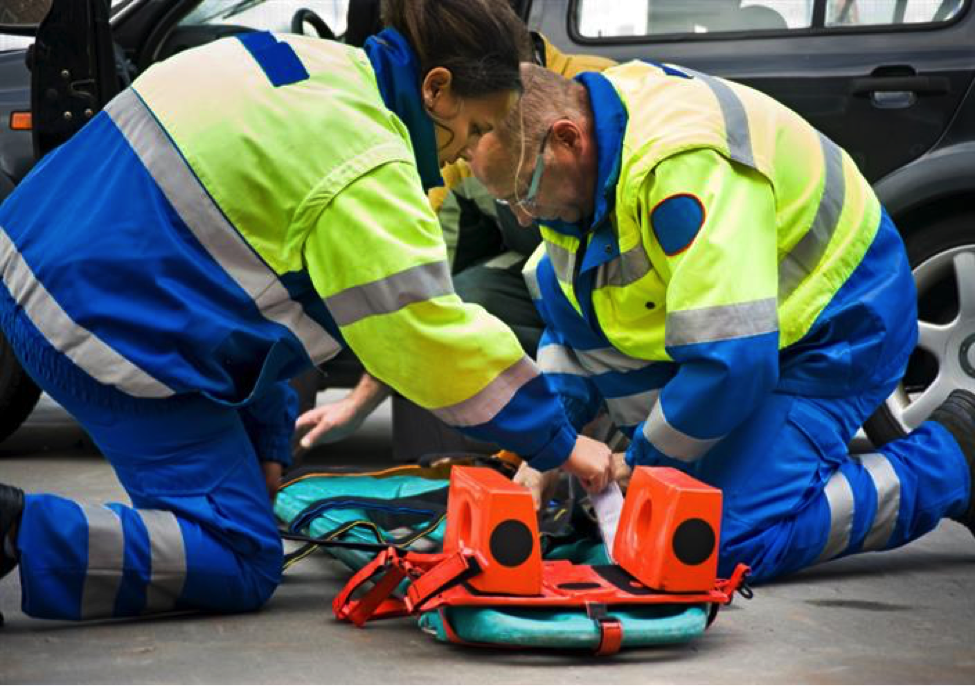
Efficient emergency medical responses are defined by the principle to "be quick, but don’t hurry," a concept famously advocated by coach John Wooden that requires a balance of clinician training and intuitive equipment design. This mechanism allows a well-trained provider to execute life-saving skills rapidly while minimizing the risk of errors caused by rushed movements. Understanding how equipment design improves emergency medical response is essential for prioritizing devices with straightforward controls to optimize patient outcomes during high-stress airway management and resuscitation procedures.


Key Takeaways

    • Intuitive device controls directly reduce the risk of human error during high-stress medical emergency procedures.
    • Proper equipment selection balances clinical training requirements with the need for rapid, efficient device deployment.
    • Standardizing device interfaces across hospital and field environments improves clinician performance and reduces cognitive load.
    • Portable medical devices must maintain full functionality and stability during patient transport to ensure continuous care.
    • Selecting essential features over unnecessary complexity streamlines emergency workflows and enhances overall patient safety outcomes.

Read More

Topics: Handheld portable suction, Emergency medical suction, Suction for EMS professionals, EMS suction, Patient Transport, Emergency Preparedness, EMS Professionals

Understanding How Vacuum and Airflow Affect Medical Suction

Posted by Sam D. Say

Sep 4, 2026, 10:15:53 AM


Medical suction is the combination of vacuum pressure and airflow used to remove fluids and particulates from a patient's airway. While the goal is not to remove air itself, airflow is the mechanism that entrains and moves both fluids and solids. Understanding the relationship between vacuum and flow is critical for effective airway management, and clinicians must prioritize learning how vacuum and airflow affect medical suction to ensure patient safety.


Key Takeaways
  • Medical suction functions through the combined mechanical forces of vacuum pressure and consistent airflow.

  • Airflow serves as the essential mechanism for entraining and transporting both liquid and solid particulates.

  • Effective airway management requires both vacuum power for movement and airflow for material entrainment.

  • Clinical suctioning efficiency depends on the device's ability to gather contaminants from the surrounding area.

  • Successful resuscitation relies on the timely removal of inconsistent airway materials to restore oxygen supply.

Read More

Topics: Emergency medical suction, Airway management, Suction for EMS professionals, EMS suction, Medical Suction, airway obstruction, Aspiration, Suction Catheter, Suction during resuscitation, Preventing aspiration

Respiratory Emergencies: When and When Not to Use Suction

Posted by Sam D. Say

Apr 11, 2026, 7:59:59 AM

You are called to a residence in the middle of the night. A frantic father meets you at the door and ushers you upstairs to his son’s room, where you find a four-year-old boy perched anxiously on the side of his bed. He is braced in a tripod position, his small arms rigidly fixed by his side as he leans forward, drooling into a puddle on the floor. The father noticed a fever last night when he put the boy to bed but is astounded by the child’s rapid deterioration. 

Read More

Topics: EMS suction

Emergency Suction and Intubation: Best Practices

Posted by Sam D. Say

Nov 9, 2024, 8:00:00 AM

When you think of intubation, you should automatically be thinking of suction. The two treatments go hand-in-hand; you cannot safely intubate without the aid of suction, which is why you must include a portable suction unit any time there is the possibility of intubating.

Read More

Topics: EMS suction, nasotracheal intubation

How a Decreased Level of Consciousness Can Lead to a Respiratory Emergency

Posted by Sam D. Say

Nov 7, 2024, 8:00:00 AM


There are many medical and traumatic causes for a decreased level of consciousness, any of which can lead to a respiratory emergency. A thorough patient assessment and quick diagnosis, followed by aggressive treatment, can prevent the patient's condition from deteriorating. But even optimal care cannot stave off every respiratory complication.

Read More

Topics: Emergency medical suction, EMS suction, Medical Suction

The Routine Maintenance You Should Be Performing on Your Suction Equipment

Posted by Sam D. Say

Oct 12, 2024, 8:00:00 AM


Every paramedic knows their equipment is only as good as its upkeep. Drugs go out of date, oxygen tanks become depleted, and batteries lose their charge. Unless you remain vigilant, your equipment will fail you when you need it the most. This is especially true of one of your most basic, yet essential tools: your portable suction unit.

Read More

Topics: EMS suction

What Every EMT Should Already Know About Basic Airway Management

Posted by Sam D. Say

May 18, 2024, 8:00:00 AM

Your BLS engine company is dispatched to a “difficulty breathing” call and your ALS rescue is still in the process of delivering their previous patient to the hospital. Dispatch is sending the next closest rescue, but the responding unit has just notified you that they are held up by a train.

Read More

Topics: Suction for EMS professionals, EMS suction

4 Types of Airway Suctioning Machines for EMS Professionals

Posted by Sam D. Say

Apr 20, 2024, 8:00:00 AM


Airway suctioning refers to the mechanical removal of secretions, blood, or foreign material from the respiratory tract to maintain airway patency. By clearing the airway, these medical devices prevent aspiration pneumonia and facilitate effective ventilation in patients ranging from drowning victims to those requiring intubation. Because the risk of iatrogenic airway injuries is high, paramedics and EMTs must understand the specific types of airway suctioning machines for EMS to ensure patient safety.


The risk of suction-related mistakes is high. Latrogenic airway injuries are common, especially when caring for pediatric patients, the elderly, and intubated patients. Your ability to save lives depends on a comprehensive awareness of each type of suctioning machine. In a mass casualty event such as a natural disaster, you might need to use another agency’s equipment. Now is the time to learn, practice, and build your skills. Here are four types of suction machines you need to know.


Key Takeaways

  • Airway suctioning is essential for removing respiratory secretions and preventing life-threatening aspiration pneumonia in patients.

  • Manual suction devices operate without electricity but often provide inconsistent vacuum pressure during emergency medical procedures.

  • Wall-mounted suction units provide stationary, reliable vacuum power within ambulances and hospital-based patient care environments.

  • Battery-operated portable suction devices offer mobile, high-performance vacuum capabilities for tactical and pre-hospital emergency settings.

  • Makeshift suction devices serve as last-resort tools for airway protection when standard medical equipment remains unavailable.


Read More

Topics: Suction for EMS professionals, EMS suction

5 Tips for Winterizing Your First Responder Kit

Posted by Sam D. Say

Feb 29, 2024, 8:00:00 AM


It’s winter, and the cold presents unique challenges to first responders. If you didn’t do it this year, take the time now and before next winter to take stock of your equipment and winterize your first responder kit. Here are five the steps to take: 

Read More

Topics: EMS suction, Medical Suction

The Importance of Early Emergency Suction Intervention

Posted by Sam D. Say

Feb 10, 2024, 8:00:00 AM

Airway obstructions are common and potentially lethal emergencies, especially among vulnerable populations such as children and geriatrics. Obstruction from a foreign body is the most common airway obstruction in young children. Among geriatrics, obstructive airway diseases, dysphagia, and aspiration are more prevalent. The odds of airway obstruction increase with age. One study of geriatric patients found that at least 10% of seniors who undergo spirometric studies may have an airway obstruction.

Read More

Topics: EMS suction