

Efficient emergency medical responses are defined by the principle to "be quick, but don’t hurry," a concept famously advocated by coach John Wooden that requires a balance of clinician training and intuitive equipment design. This mechanism allows a well-trained provider to execute life-saving skills rapidly while minimizing the risk of errors caused by rushed movements. Understanding how equipment design improves emergency medical response is essential for prioritizing devices with straightforward controls to optimize patient outcomes during high-stress airway management and resuscitation procedures.
Key Takeaways
-
- Intuitive device controls directly reduce the risk of human error during high-stress medical emergency procedures.
- Proper equipment selection balances clinical training requirements with the need for rapid, efficient device deployment.
- Standardizing device interfaces across hospital and field environments improves clinician performance and reduces cognitive load.
- Portable medical devices must maintain full functionality and stability during patient transport to ensure continuous care.
- Selecting essential features over unnecessary complexity streamlines emergency workflows and enhances overall patient safety outcomes.
The well-trained person also is prepared with the correct equipment and knows well how to quickly deploy and use that equipment to good effect.
High-quality medical devices enhance clinician performance by providing minimal setup requirements and intuitive controls that are easily accessed during high-stress procedures.
Effective resuscitation procedures depend on reliable equipment, including chest compression devices, defibrillators, video or direct laryngoscopes, and portable suction pumps. Some of these devices are more complex than others, but they all should be intuitive and capable of effective use after adequate training. Intuitive controls, form and function should be features that are seriously considered upon purchase.

Optimizing Clinical Efficiency Through Device Design
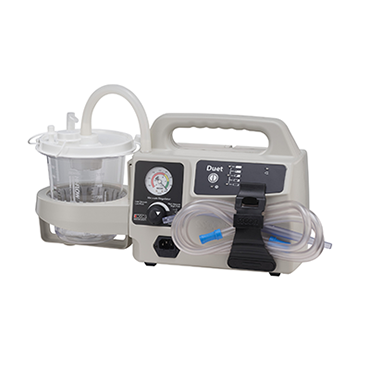
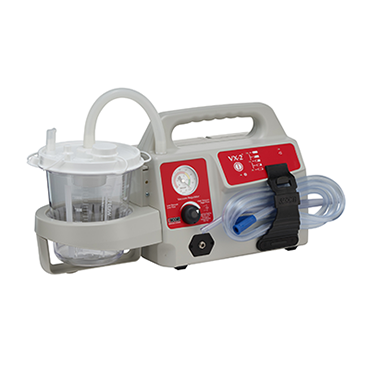
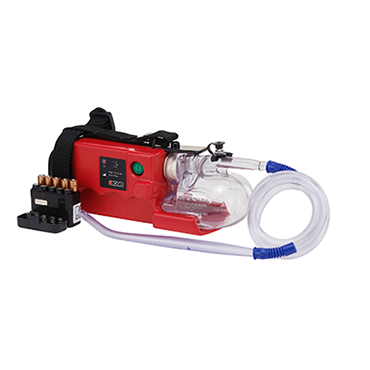
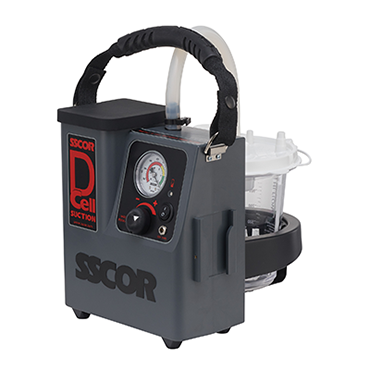
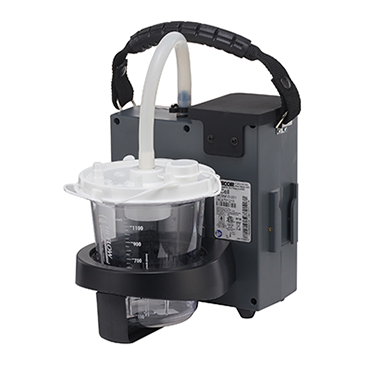
The portable suction pump serves as a primary example of how equipment design impacts clinical efficiency. Does your scope of practice call for a full regulator and gauge that allows you to dial in a variety of different vacuum levels? This may be the case if you do oropharyngeal suctioning, nasogastric suctioning, chest drainage utilizing a chest drain device such as a Pleur-evac and tracheal suctioning. In the event that you do primarily oropharyngeal suctioning, you might consider a device with a two-position regulator that with a simple motion can switch from high vacuum to a lower setting appropriate for tracheal suctioning.
What does the suction unit require to get it deployed and functioning at the patient’s side? Is it simply set down, the tubing pulled free and the switch activated, or does it require being laid in a certain position and accessories carefully placed so that the materials flow to their collection container.
Is it intuitive to use? Is it used in the same manner as other suction sources such as hospital wall vacuum and ambulance onboard suction, or is it controlled in a completely different way.
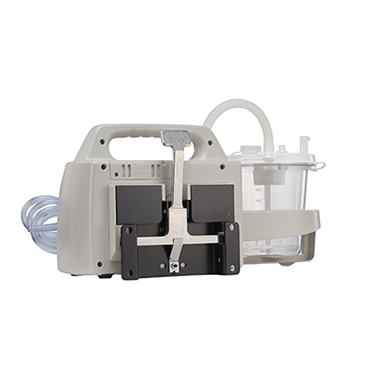
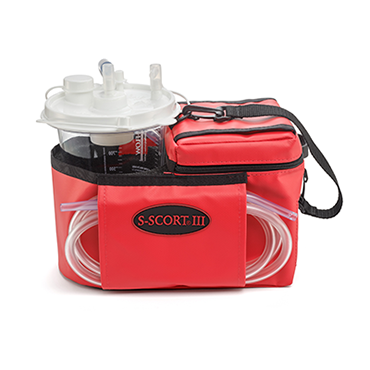
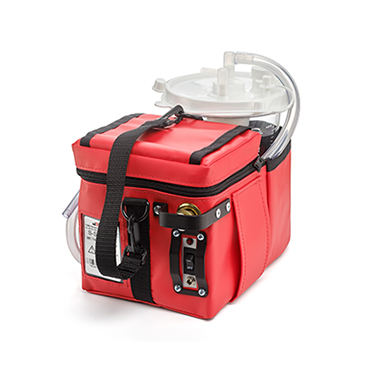
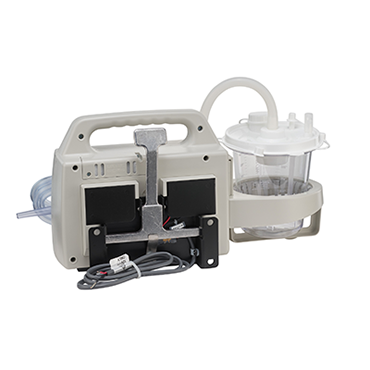
When the time comes to move the patient, is the suction unit easily moved without disrupting its function, allowing continued suctioning? During patient transport, a suction device must remain functional without requiring constant adjustment that distracts from patient care. Rigid canisters are generally more stable than suction bags during movement, as they are less prone to spills or premature filter saturation.
Evaluate equipment you will potentially purchase with these things in mind:
-
What does your scope of practice call for in the equipment that you carry? Which of the features embodied in the equipment that you are looking at will you actually use, and which of the features will simply complicate use of the device?
-
Do the features facilitate rapid deployment and use of the device, or do they possibly just add steps and waste time?
-
Is operation of the device intuitive? If the device is not frequently used, is it still readily used? Will the new person who just joined you from another service quickly grasp the use of your equipment?
-
Is it as easily used when you are on the move as when you are stationary?
Make sure you select ‘features’ and not ‘bells and whistles’ that simply make things more complicated.
A lot goes into being quick without hurrying, and wise choice of equipment is one important element. By focusing on how equipment design improves emergency medical response, providers can ensure that their tools support rather than hinder the delivery of critical care.