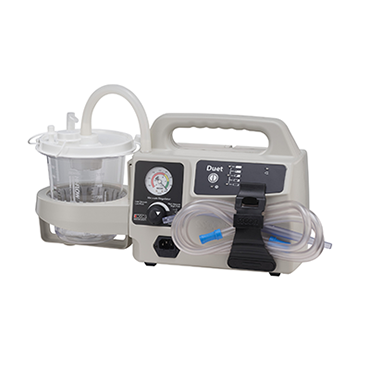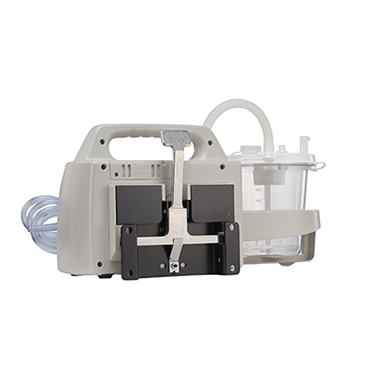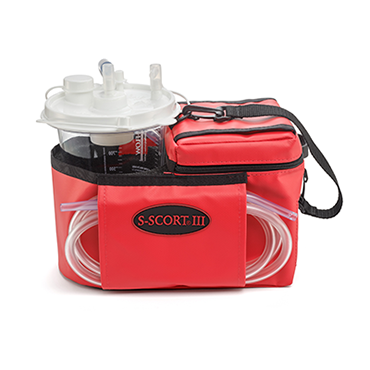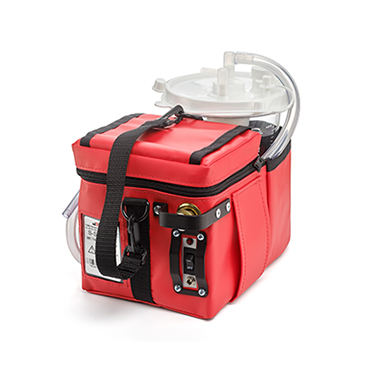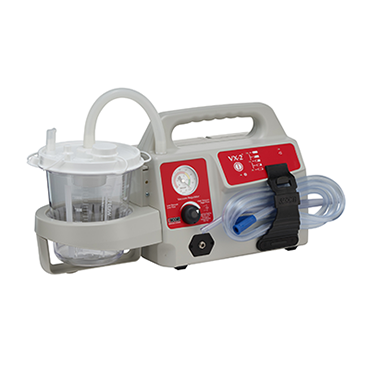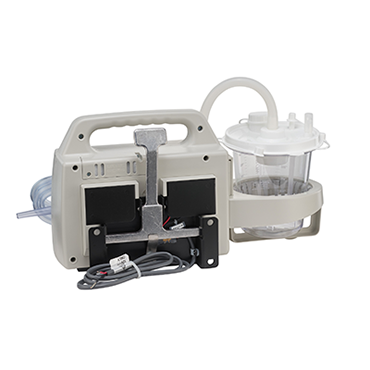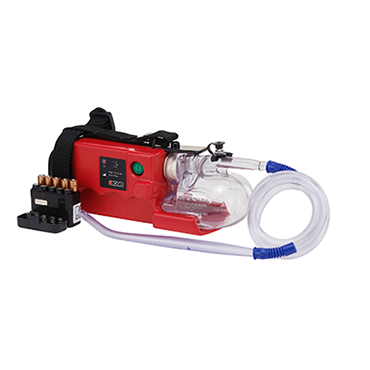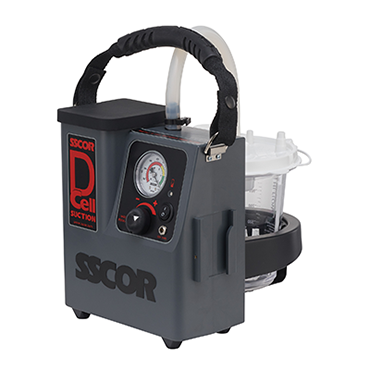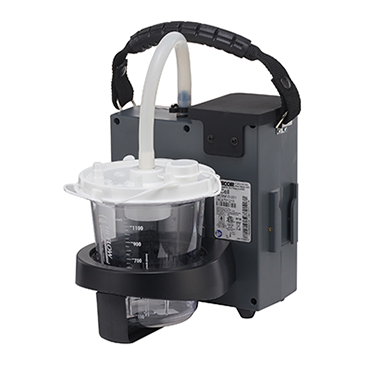


 Airway suctioning is the mechanical aspiration of secretions, blood, or debris from a patient's airway to maintain patency. This process utilizes a suction machine to generate negative pressure, removing obstructions through a medical-grade catheter. Mastering this skill is vital because suction errors are preventable yet potentially catastrophic, contributing to the high rate of medical error-related deaths. Understanding the most common mistakes clinicians make when operating a suction unit is essential for improving patient safety.
Key Takeaways
- Clinicians must prioritize equipment readiness to ensure patient safety during critical airway emergency procedures.
- Limiting suction duration to fifteen seconds prevents hypoxia and other severe patient airway injuries.
- Selecting the appropriate suction catheter size based on anatomical needs prevents unnecessary airway trauma.
- Suctioning should only occur when clear clinical indications exist rather than as routine practice.
- Rigorous sterilization and decontamination protocols are essential for preventing the spread of communicable diseases.
Maintaining Suction Equipment Readiness
Regardless of equipment quality, a suction machine that is not ready for immediate use during airway emergencies places patients at significant risk. Learning how to avoid common airway suctioning mistakes begins with ensuring your tools are functional.
-
- Regularly test the equipment and power it on before each shift.
- Store disposables and other key equipment in an accessible location along with the machine.
- Dispose of catheters and other items that no longer work or are damaged.
- Ensure equipment is properly set up and assembled before each use.
Avoiding Excessive Suctioning Duration
The upper limit for suctioning time is 15 seconds. Suctioning in excess of this time frame greatly increases the risk of injuries such as hypoxia. Ensure you don’t over-suction by suctioning only while withdrawing the suction catheter, and never during insertion.
Selecting Appropriate Suction Catheter Sizes
Suction catheter selection must be tailored to the specific anatomical needs of the patient. The smaller airways of children and neonates demand smaller catheters. Geriatrics and those with fragile airways may also need smaller catheters or more flexible ones. In general, the suction catheter should have an external diameter of no more than 50 percent of the endotracheal tube’s internal diameter.
Identifying Clinical Indications vs. Routine Suctioning
Suctioning is not a routine or prophylactic medical procedure. Suction the patient only when there are clear indications for suctioning. Those include:
- Increased pulse
- Noisy respiratory sounds
- Visible secretions
- Non-productive cough
- Inability to clear the airway on one’s own
- Shortness of breath
Managing Suctioning Contraindications
Airway suctioning presents risks for specific patient populations and is not universally safe. Patients with recent head and neck injuries, including those with suspected spinal cord injuries, should not be suctioned unless the benefits of doing so clearly outweigh the risks.
Implementing Proper Sterilization and Decontamination Protocols
Patients with fragile immune systems and communicable diseases are more likely to need suctioning. The prevalence of communicable diseases among patients requiring airway management highlights the need for rigorous sterilization and decontamination of suction equipment. The right procedure depends on the equipment you use. Follow the manufacturer’s recommendations every time. To decrease the spread of communicable diseases:
- Wash your hands before and after decontamination.
- Wear protective equipment while cleaning the suction machine.
- Never reuse single-use devices.
- Ensure the equipment has time to fully dry before putting it in an enclosed storage area.
Selecting High-Quality Portable Suction Machines
It’s not the type of equipment that matters, since all types of suction equipment have their place. What matters instead is the quality of the equipment. Substandard suction machines may feature difficult-to-clean surfaces, inadequate battery life, or inconsistent vacuum pressure during clinical use. Quality suction machines offer clear details about their suction and vacuum power and live up to their promises. A suction machine that is weaker than necessary, dies early, or offers inconsistent suction puts your patients in danger. They deserve better.
For help choosing the right suction machine for your patient population, download our free guide.

Editor's Note: This blog was originally published in December, 2018. It has been re-published with additional up to date content.