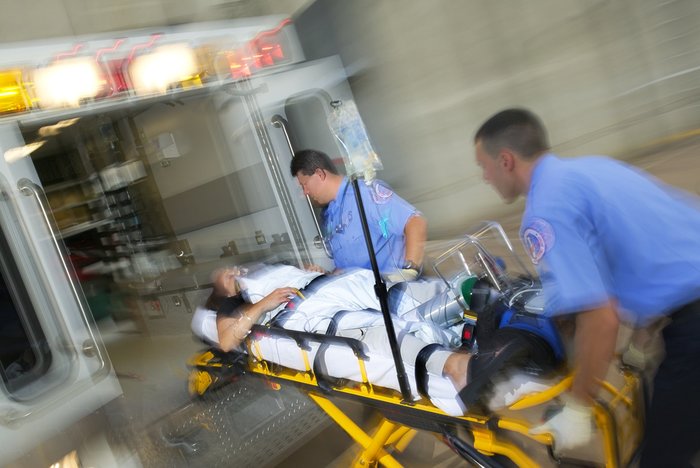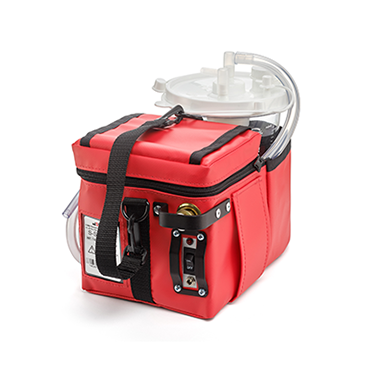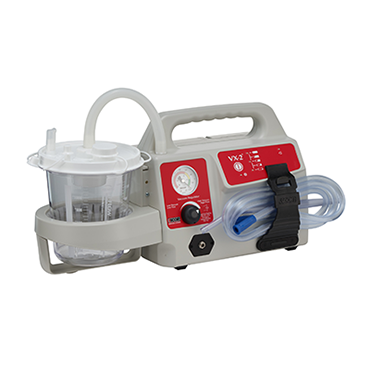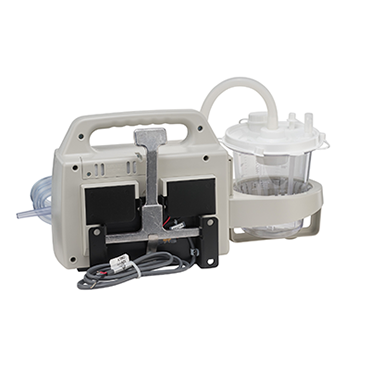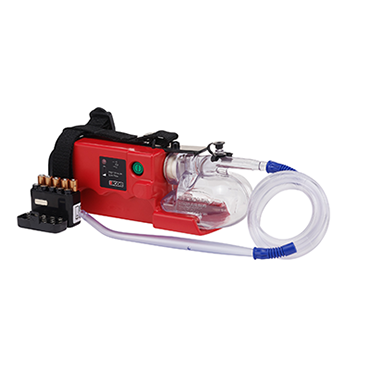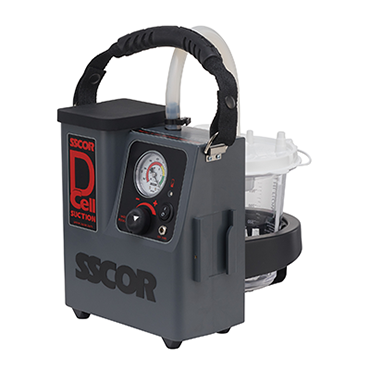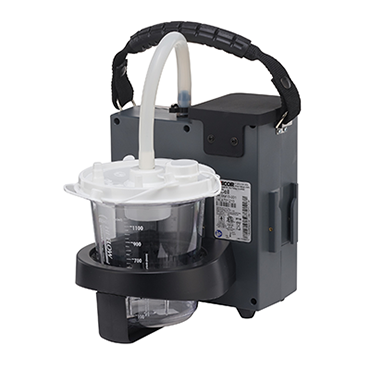
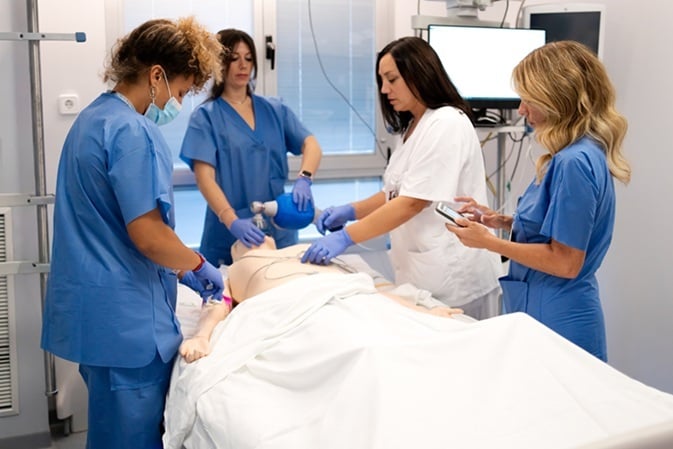
Medical suctioning refers to the mechanical aspiration of secretions, fluids, or debris from a patient's airway to maintain patency and improve ventilation. This process utilizes negative pressure generated by a suction machine to clear the respiratory tract in both emergency and routine clinical settings. Effective suctioning is a critical intervention for healthcare providers, including first responders and hospital staff, to prevent aspiration and ensure adequate oxygenation. Understanding how medical suctioning works in airway management is essential for ensuring patient safety.
Key Takeaways
- Medical suctioning uses negative pressure to remove secretions and maintain a clear, patent patient airway.
- Clinical teams select suctioning techniques based on patient health, available equipment, and specific medical indications.
- Nasotracheal suctioning is reserved for severe injuries where oropharyngeal access is restricted or repeatedly failed.
- Emergency suctioning addresses acute hypoxia or respiratory distress, while preventative suctioning supports routine clinical airway care.
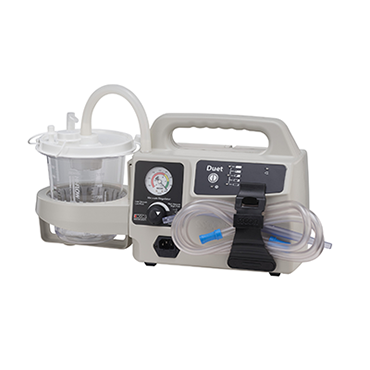
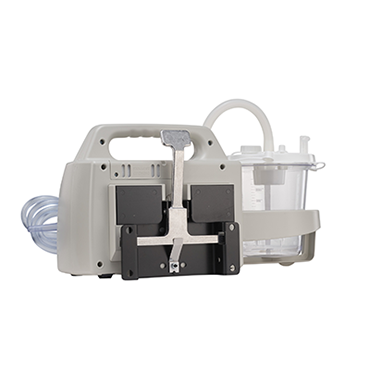
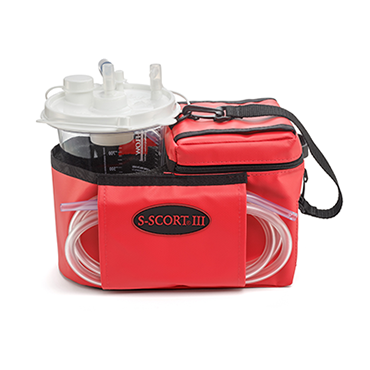
- Portable and wall-mounted suction devices provide the necessary negative pressure for effective respiratory tract clearance.