

Medical suctioning refers to the mechanical aspiration of secretions, fluids, or debris from a patient's airway to maintain patency and improve ventilation. This process utilizes negative pressure generated by a suction machine to clear the respiratory tract in both emergency and routine clinical settings. Effective suctioning is a critical intervention for healthcare providers, including first responders and hospital staff, to prevent aspiration and ensure adequate oxygenation. Understanding how medical suctioning works in airway management is essential for ensuring patient safety.
Key Takeaways
- Medical suctioning uses negative pressure to remove secretions and maintain a clear, patent patient airway.
- Clinical teams select suctioning techniques based on patient health, available equipment, and specific medical indications.
- Nasotracheal suctioning is reserved for severe injuries where oropharyngeal access is restricted or repeatedly failed.
- Emergency suctioning addresses acute hypoxia or respiratory distress, while preventative suctioning supports routine clinical airway care.
- Portable and wall-mounted suction devices provide the necessary negative pressure for effective respiratory tract clearance.
The selection of a suctioning technique depends on clinical factors such as patient health, the type of suctioning machine available, and the underlying indication for the procedure. Understanding the various types of suctioning can help clinical teams choose the appropriate airway management tools and maintain proficiency in the latest techniques.

Comparing Nasotracheal and Oropharyngeal Suctioning Techniques
Both nasotracheal and oropharyngeal suctioning are designed to clear the airway, though their applications differ based on patient anatomy. Oropharyngeal suctioning is generally easier and more widely used than nasotracheal suctioning, which is typically reserved for situations in which there is no other option.
Nasotracheal suctioning is the superior option in cases such as these:
- Severe jaw or mouth injuries
- A spontaneously breathing patient
- Repeated failed oropharyngeal suctioning
Clinical Indications for Clearing Airway Secretions via Suctioning
Airway suctioning removes obstructive secretions, which allows patients to achieve more efficient gas exchange and ventilation. Patients may need help clearing secretions in several scenarios:
- The patient is sedated or in an altered state of consciousness because of a neurological injury.
- The patient has a muscular injury that impedes their ability to cough.
- The patient has an artificial airway.
- The patient shows signs of respiratory distress.
Differences Between Emergency and Preventative Airway Suctioning
Medical suctioning is required across various clinical contexts, which are generally categorized into routine preventative care and emergency interventions. By learning how medical suctioning works in airway management, providers can better distinguish between these critical care scenarios.
Healthcare providers perform emergency suctioning when a patient experiences hypoxia, respiratory distress, or active aspiration that compromises the airway. Some examples of this type of suctioning include:
- Suctioning the airway of a patient who is vomiting under general anesthesia
- Suctioning the airway of a person who is in anaphylactic shock
- Suctioning the airway of a person with COPD or another respiratory disease who is hypoxic and unable to clear their own airway
- Suctioning the airway to remove a foreign object, such as a tooth, that breaks loose during oral surgery
Routine and preventative suctioning procedures clear the airway, prevent debris from entering the airway, and protect the airway when a patient is sedated or under general anesthesia. Some examples of this type of suctioning include:
- Suctioning in dental practices (dentists often use suctioning to remove excess saliva during examinations and oral surgery)
- Suctioning to clear artificial airways
- Suctioning a patient at risk of aspiration, such as one who is bleeding from the throat or mouth
Although suctioning itself is a routine medical procedure, no patient should be routinely suctioned absent specific indications for suctioning, such as the inability to clear their own airway.

Types of Medical Suction Devices and Airway Management Equipment
While all medical suction equipment aims to clear the airway, different devices utilize varying mechanisms to generate negative pressure.
The most frequently used suction devices include:
- Manual suction devices. These devices work using a pump and deliver the least consistent suction. Providers typically only use them when there is no other option.
- Wall-mounted suction devices. A key tool in most hospitals and ambulances, these devices are large and effective. Doctors, field medics, and nurses typically use them for emergency suction, routine preventative suction, and suction under anesthesia.
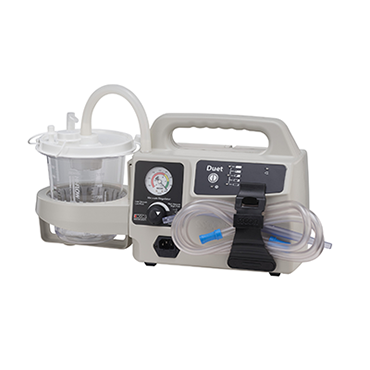
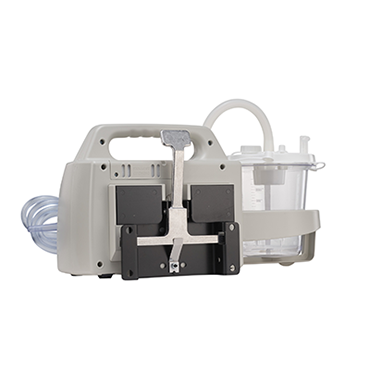
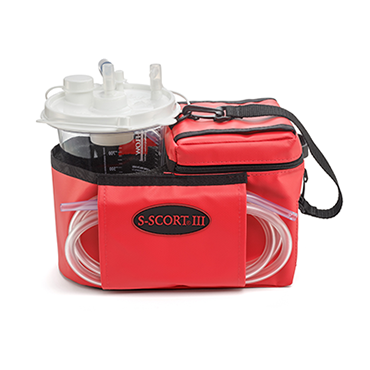
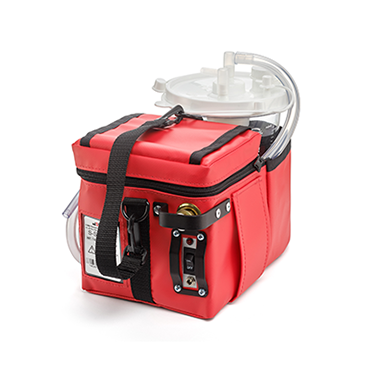
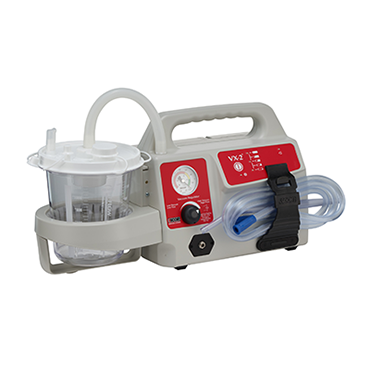
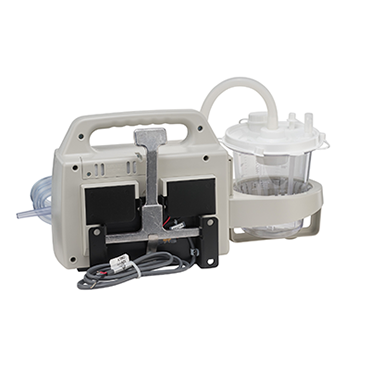
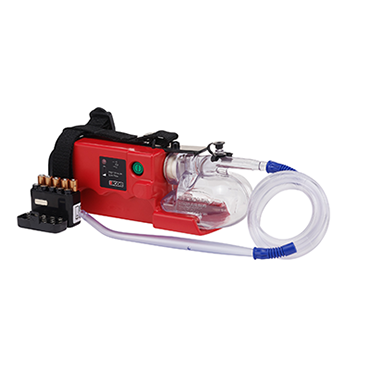
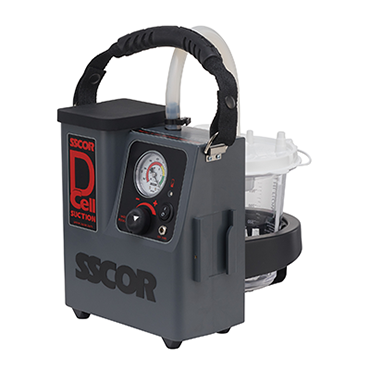
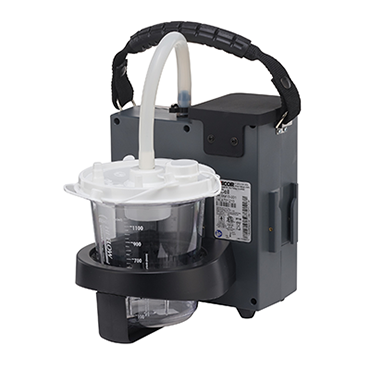
- Portable emergency suction machines. These are small, portable devices that deliver consistent suction wherever the patient is. Quality devices rival the efficiency of traditional wall-mounted units, but without the bulk. These machines are highly effective in emergencies, but can also aid with routine care, allowing providers more flexibility and versatility when choosing where to deliver care.
For help choosing the right portable emergency suction machine for your agency, download our free guide, The Ultimate Guide to Purchasing a Portable Emergency Suction Device.
Editor's Note: This blog was originally published in October, 2022. It has been re-published with additional up-to-date content.