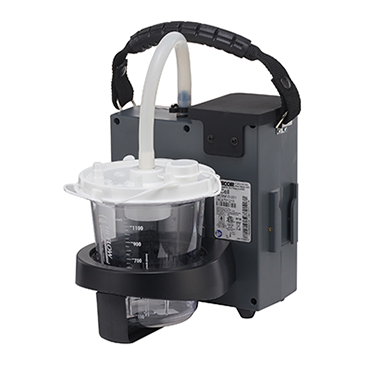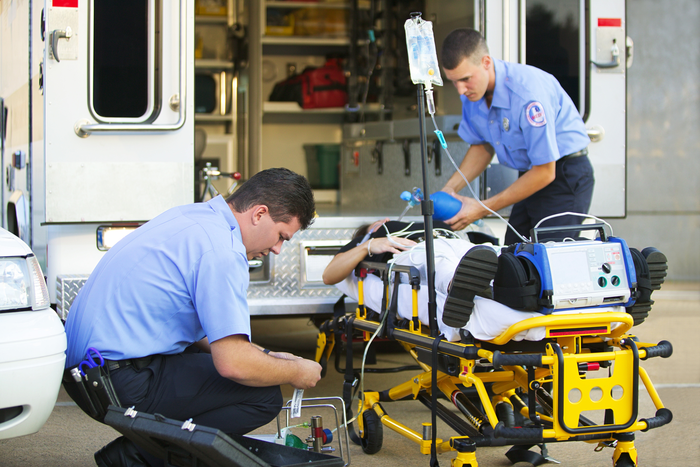
We tend to think of prehospital suctioning as a simple, straightforward treatment. You assemble your equipment, prep the patient, turn on the unit, and get to work clearing the airway. Easy, right?

Sep 15, 2017, 4:30:00 AM
We tend to think of prehospital suctioning as a simple, straightforward treatment. You assemble your equipment, prep the patient, turn on the unit, and get to work clearing the airway. Easy, right?
Topics: Suction for EMS professionals
Jun 2, 2017, 4:30:00 AM
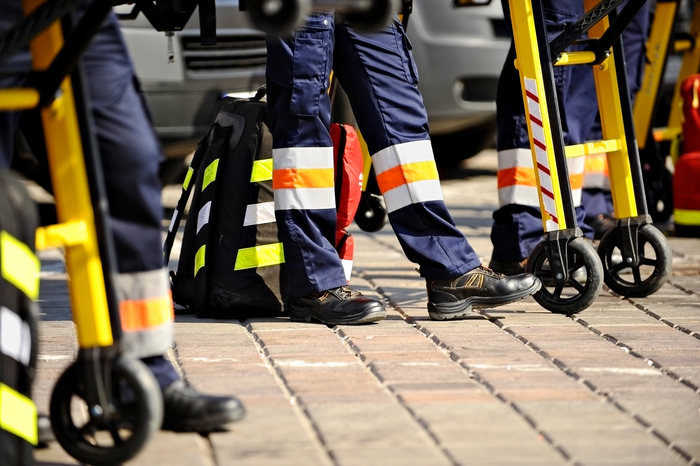
Mass-casualty incidents (MCIs) are a growing concern in EMS. It seems we can't go a week without a mass shooting—a frightening reality in today's society. But MCIs also take other forms: multi-car pileups on the interstate, natural disasters that strike without warning, and the threat of bioterrorism from enemies abroad. As EMS professionals, we must be ready for anything.
Topics: Suction for EMS professionals
Feb 6, 2017, 4:30:00 AM

As a medical professional, you know the critical role suctioning plays in airway management. Whether you are a medic on a rescue, a flight nurse on a helicopter, or part of an emergency room staff, you’ve seen how effective suctioning can be for a patient in respiratory distress.
Topics: Suction for EMS professionals
Jun 16, 2016, 4:30:00 AM

The patient was practically comatose by the time you arrived on scene. A gastric cancer patient, he had lost his ability to effectively swallow and had regurgitated once he arrived home from his chemotherapy treatment. As your partner flips open the airway bag, you attach the monitor and note a bradycardic rate of fifty-four. You set up for an IV while your partner cranks on the O2, only to realize the tank is empty. He dashes out to the truck for a replacement while you attempt the IV. Valuable seconds tick by. The patient is breathing on his own, yet gasping, and you fail to notice the remnants of vomit and bile rimming his mouth. With each passing minute, he inhales more of the acidic stomach contents lodged in his airway. His prognosis is quickly devolving.
May 3, 2016, 4:30:00 AM

Paramedics rely on a multitude of tools. Imagine treating the range of patients you encounter in the field – from cardiacs, to trauma, to pediatrics – without a wide assortment of tools from which to choose. Impossible, right? And although some of these tools are essential to the job, and dictated by local and national standards, each tool contains various components that make it ideal for the system within which you work.
Topics: Suction for EMS professionals
Apr 28, 2016, 4:30:00 AM
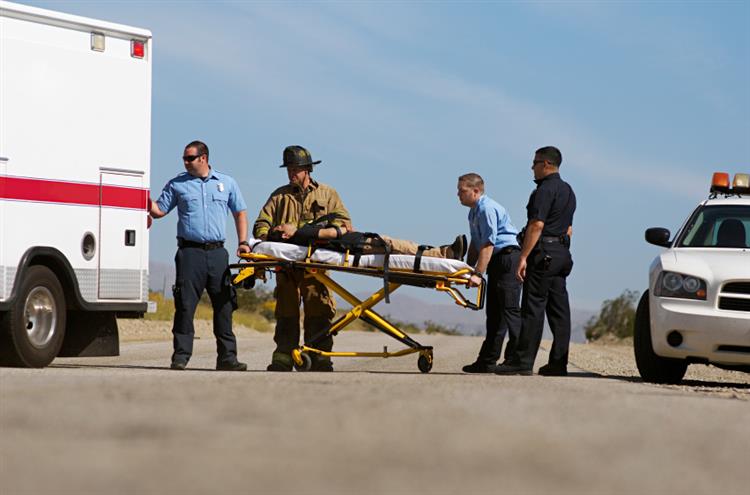
The child was pulled from the deep end pulseless and apneic. CPR was initiated immediately, and by the time you and your crew arrive on scene, a faint pulse is detectable. Your partner begins ventilating the patient, when suddenly the child vomits. Your potential save is once again in peril; this time from choking and aspiration. You reach for your portable suction unit and realize you left it on the truck. A crew member races back to the rescue to retrieve it as you log-roll the child onto his side, all the while struggling to ventilate, maintain c-spine, and continue resuscitative efforts. Not a good scenario.
Topics: Handheld portable suction, Suction for EMS professionals
Mar 15, 2016, 4:30:00 AM

For those of you who have worked in the field of EMS for several decades, you can attest to the radical changes that have taken place in equipment over the years. Patient compartments are better designed, equipment is more sophisticated, and computer technology has greatly improved patient care, report writing, and access to reference information.
Topics: Suction for EMS professionals