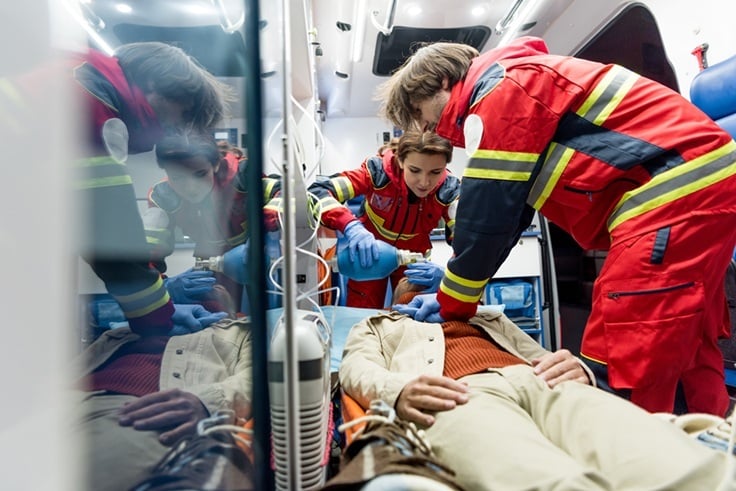
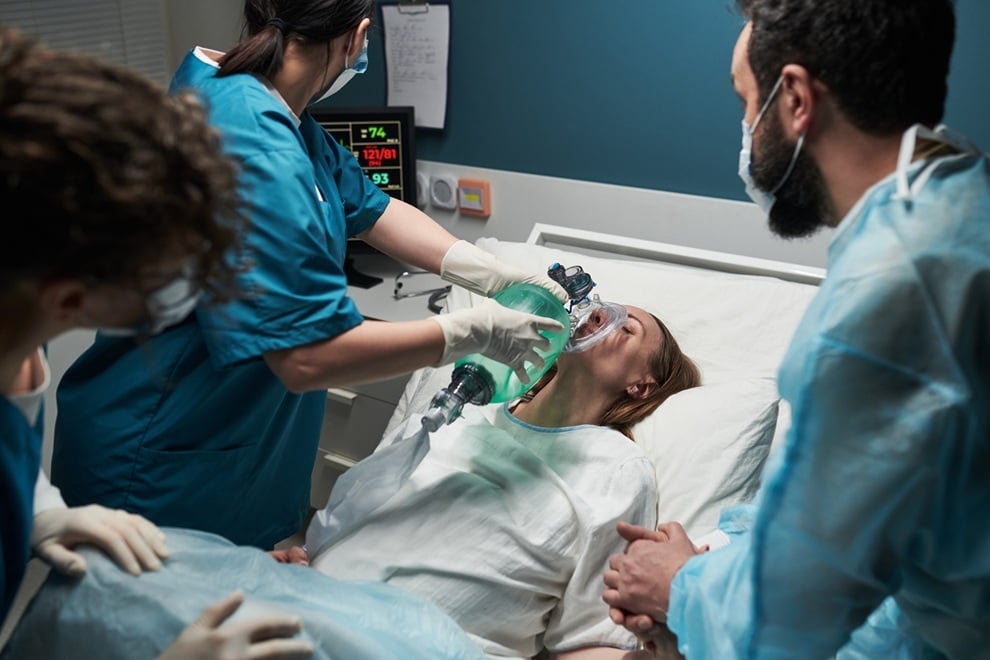
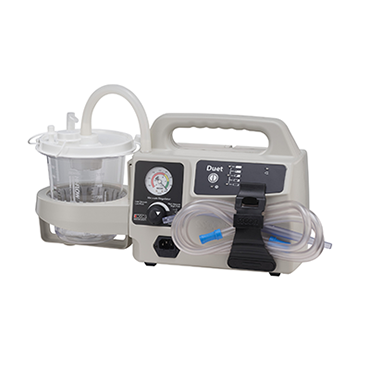
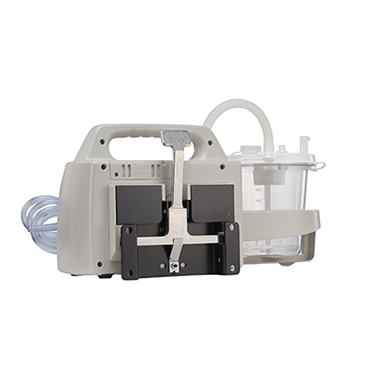
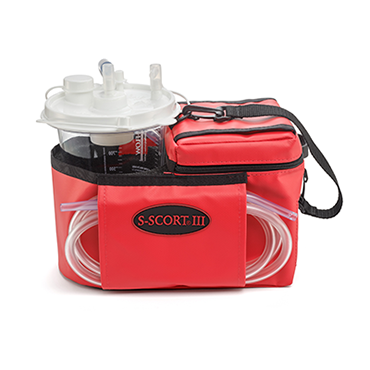
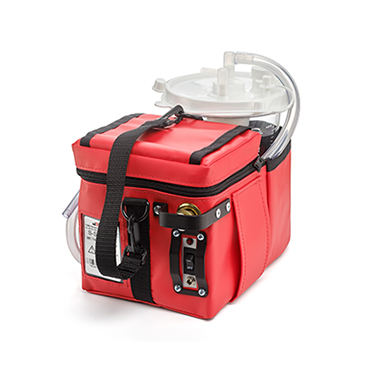
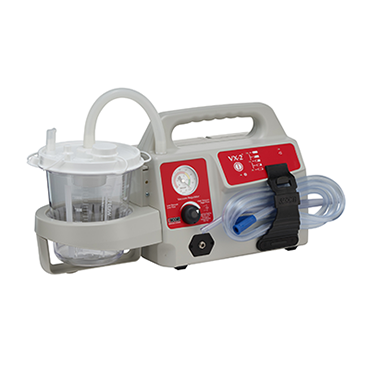
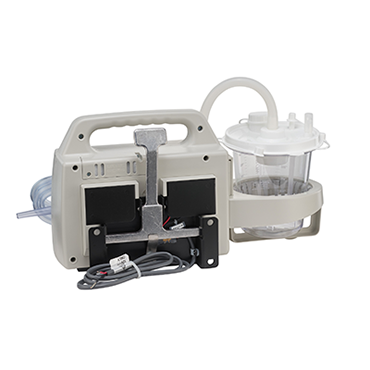
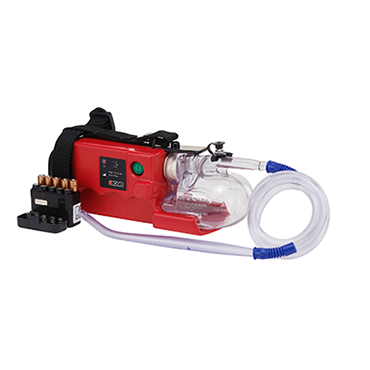
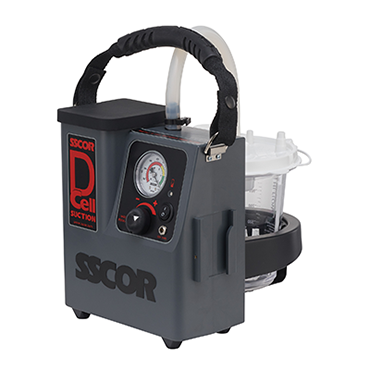
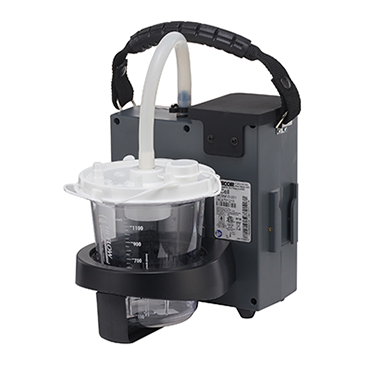
A portable suction unit is a medical device designed to clear a patient's airway by removing fluids, secretions, and debris in emergency medical settings. These units operate by generating negative pressure and airflow to entrain and transport obstructions into a collection canister. Because high-quality portable suction is critical for maintaining airway patency, clinicians must prioritize effective gear like a well-made portable suction unit over inexpensive, below-standard imports. Learning how to choose a portable suction unit correctly ensures that medical teams are prepared for critical airway management scenarios.
Key Takeaways
- A portable suction unit removes fluids and debris to maintain patient airway patency during emergencies.
- Reliability is the primary factor when clinicians evaluate how to choose a portable suction unit.
- Effective suction requires both strong vacuum pressure and sufficient airflow to clear airway obstructions.
- Variable vacuum pressure settings are essential for safely treating pediatric and elderly patient populations.
- Durability and ergonomic design are critical for deploying suction devices across challenging field environments.
Read More
Topics:
Emergency medical suction,
Suction for EMS professionals,
EMS suction,
Medical Suction,
portable suction
Airway suctioning is the mechanical aspiration of secretions, blood, or debris from a patient's airway to maintain patency. This process utilizes a suction machine to generate negative pressure, removing obstructions through a medical-grade catheter. Mastering this skill is vital because suction errors are preventable yet potentially catastrophic, contributing to the high rate of medical error-related deaths. Understanding the most common mistakes clinicians make when operating a suction unit is essential for improving patient safety.
Key Takeaways
- Clinicians must prioritize equipment readiness to ensure patient safety during critical airway emergency procedures.
- Limiting suction duration to fifteen seconds prevents hypoxia and other severe patient airway injuries.
- Selecting the appropriate suction catheter size based on anatomical needs prevents unnecessary airway trauma.
- Suctioning should only occur when clear clinical indications exist rather than as routine practice.
- Rigorous sterilization and decontamination protocols are essential for preventing the spread of communicable diseases.
Read More
Topics:
Medical Suction
Hyperoxygenation is the clinical practice of providing high concentrations of oxygen to a patient to increase arterial oxygen levels before a procedure. In airway management, clinicians learn how to hyperoxygenate before suctioning to create an oxygen reserve that mitigates the risk of procedure-induced hypoxia. Because hypoxia is a common and preventable complication of suctioning, following proper preoxygenation protocols is essential for patient safety.
Key Takeaways
-
Hyperoxygenation creates a vital oxygen reserve to prevent hypoxia during airway suctioning procedures.
-
Clinicians must understand how to hyperoxygenate before suctioning to improve patient safety outcomes.
-
Suctioning removes both secretions and oxygen, making preoxygenation necessary to maintain patient stability.
-
Proper assessment of the airway is required before initiating any suctioning or oxygenation protocols.
-
Post-suctioning monitoring and supplemental oxygenation are critical phases of effective clinical airway management.
Read More
Topics:
Medical Suction
Efficient emergency medical responses are defined by the principle to "be quick, but don’t hurry," a concept famously advocated by coach John Wooden that requires a balance of clinician training and intuitive equipment design. This mechanism allows a well-trained provider to execute life-saving skills rapidly while minimizing the risk of errors caused by rushed movements. Understanding how equipment design improves emergency medical response is essential for prioritizing devices with straightforward controls to optimize patient outcomes during high-stress airway management and resuscitation procedures.
Key Takeaways
-
- Intuitive device controls directly reduce the risk of human error during high-stress medical emergency procedures.
- Proper equipment selection balances clinical training requirements with the need for rapid, efficient device deployment.
- Standardizing device interfaces across hospital and field environments improves clinician performance and reduces cognitive load.
- Portable medical devices must maintain full functionality and stability during patient transport to ensure continuous care.
- Selecting essential features over unnecessary complexity streamlines emergency workflows and enhances overall patient safety outcomes.
Read More
Topics:
Handheld portable suction,
Emergency medical suction,
Suction for EMS professionals,
EMS suction,
Patient Transport,
Emergency Preparedness,
EMS Professionals
Medical suction is the combination of vacuum pressure and airflow used to remove fluids and particulates from a patient's airway. While the goal is not to remove air itself, airflow is the mechanism that entrains and moves both fluids and solids. Understanding the relationship between vacuum and flow is critical for effective airway management, and clinicians must prioritize learning how vacuum and airflow affect medical suction to ensure patient safety.
Key Takeaways
-
Medical suction functions through the combined mechanical forces of vacuum pressure and consistent airflow.
-
Airflow serves as the essential mechanism for entraining and transporting both liquid and solid particulates.
-
Effective airway management requires both vacuum power for movement and airflow for material entrainment.
-
Clinical suctioning efficiency depends on the device's ability to gather contaminants from the surrounding area.
-
Successful resuscitation relies on the timely removal of inconsistent airway materials to restore oxygen supply.
Read More
Topics:
Emergency medical suction,
Airway management,
Suction for EMS professionals,
EMS suction,
Medical Suction,
airway obstruction,
Aspiration,
Suction Catheter,
Suction during resuscitation,
Preventing aspiration
Airway management in rural and remote settings refers to the specialized clinical protocols and equipment deployment required to maintain patient oxygenation and ventilation when geographic barriers delay access to definitive care. This approach relies on portable emergency medical equipment, including suction units and laryngoscopes, to manage respiratory distress during prolonged transport. Mastering these techniques is essential for rural EMS providers who must stabilize patients without the immediate support of metropolitan trauma centers. Understanding how to manage airways in rural settings effectively can significantly improve patient outcomes in isolated environments.
Key Takeaways
-
Rural airway management requires specialized protocols to maintain ventilation when access to definitive care is delayed.
-
Providers must prioritize portable emergency equipment like suction units to stabilize patients during extended transport durations.
-
Geographic barriers, including difficult terrain and inclement weather, frequently extend emergency medical services response times significantly.
-
Rural EMS systems often operate with limited backup personnel, necessitating advanced preparation for respiratory emergency scenarios.
-
Effective transport logistics and early standby requests for air medical support are critical for patient survival.
Read More
Topics:
Airway management
A portable suction unit is a medical device designed to remove fluids, secretions, and foreign materials from a patient's airway to ensure patency. These devices utilize negative pressure to aspirate blood, vomit, or mucus through a catheter into a collection canister. Proper maintenance of these units is vital for effective airway management and preventing hypoxia during emergency medical response. Learning how to maintain portable suction units is a critical skill for any medical professional, as it ensures the device is ready for immediate use.
Key Takeaways
- Portable suction units use negative pressure to clear patient airways and prevent life-threatening hypoxia incidents.
- Regular maintenance of suction devices ensures they are functional and ready for critical emergency medical scenarios.
- Battery health checks and power reliability tests are essential components of routine suction unit maintenance protocols.
- Strict decontamination procedures prevent pathogen transmission by requiring the disposal of all used suction unit components.
- Proper storage environments protect portable suction equipment from extreme temperatures, moisture, and potential mechanical debris damage
Read More
Topics:
Handheld portable suction
Whether you have a disability or someone you know has one, disability impacts everyone at all ages and stages of life. According to the Centers for Disease Control and Prevention, more than one in four adults in the U.S. has some type of disability, and 12.2% of U.S. adults have a mobility disability with serious difficulty walking or climbing stairs.
Read More
Topics:
Emergency medical suction,
Airway management,
Emergency Preparedness,
medical scenarios,
emt scenarios
Medical suction refers to the clinical removal of fluids from a patient to maintain airway patency or manage various medical conditions. This process utilizes a vacuum source to deposit fluids into a secure collection vessel, isolating biohazardous materials from the environment and healthcare providers. Proper fluid containment is essential for preventing the transmission of infectious agents during emergency medical procedures, which is why understanding how medical suction systems prevent aerosol contamination is critical for clinical safety.
Key Takeaways
-
- Medical suction systems isolate biohazardous materials by using vacuum sources to deposit fluids into vessels.
- Aerosol particles generated during suctioning can transport harmful bacteria and viruses into the clinical environment.
- Mechanical shutoff valves and hydrophobic filters are primary mechanisms for preventing fluid overflow and contamination.
- Selecting portable suction units requires evaluating filtration efficiency and resistance to premature shutdown during movement.
- Manufacturers must provide verified test data proving the bacterial filtration effectiveness of their suction canisters.
Read More
Topics:
Medical Suction
As an EMS professional, you rely on your equipment. Imagine for a moment what it was like just 50 years ago, when emergency transport meant simply placing a patient in the back of a makeshift ambulance (typically a station wagon) and driving as fast as you could to a hospital. Things have certainly improved not only for our patients, but for providers.
Read More
Topics:
Handheld portable suction