


Airway suctioning refers to the mechanical removal of secretions, blood, or foreign material from the respiratory tract to maintain airway patency. By clearing the airway, these medical devices prevent aspiration pneumonia and facilitate effective ventilation in patients ranging from drowning victims to those requiring intubation. Because the risk of iatrogenic airway injuries is high, paramedics and EMTs must understand the specific types of airway suctioning machines for EMS to ensure patient safety.
The risk of suction-related mistakes is high. Latrogenic airway injuries are common, especially when caring for pediatric patients, the elderly, and intubated patients. Your ability to save lives depends on a comprehensive awareness of each type of suctioning machine. In a mass casualty event such as a natural disaster, you might need to use another agency’s equipment. Now is the time to learn, practice, and build your skills. Here are four types of suction machines you need to know.
Key Takeaways
-
Airway suctioning is essential for removing respiratory secretions and preventing life-threatening aspiration pneumonia in patients.
-
Manual suction devices operate without electricity but often provide inconsistent vacuum pressure during emergency medical procedures.
-
Wall-mounted suction units provide stationary, reliable vacuum power within ambulances and hospital-based patient care environments.
-
Battery-operated portable suction devices offer mobile, high-performance vacuum capabilities for tactical and pre-hospital emergency settings.
-
Makeshift suction devices serve as last-resort tools for airway protection when standard medical equipment remains unavailable.
How Manual Suction Devices Operate in EMS
A manual suction device is any device that creates suction without the use of a battery or electricity. Many hospitals and emergency management agencies have moved away from them because the suction they create is often unpredictable and inconsistent.
These devices generally work by squeezing a pump to create a vacuum. They’re often attached to large canisters. For some of these devices, the strength of the suction is heavily dependent on the speed at which you squeeze the pump. Smaller devices, such as the bulbs used to clear the nostrils and mouths of newborns, are also considered manual suction devices.

Applications of Wall-Mounted Suction Units
Wall-mounted suction devices are stationary units typically installed in hospital rooms, dental offices, and ambulance interiors for use when patient transport is not immediately required. Many hospitals position a wall-mounted suction unit in every patient room. Almost all ambulances have onboard suction built into the wall. Adjusting the settings, changing the tubing, and other strategies can reduce or increase suction power.
Benefits of Battery-Operated Portable Suction Devices
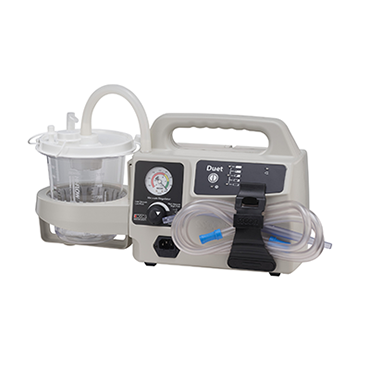
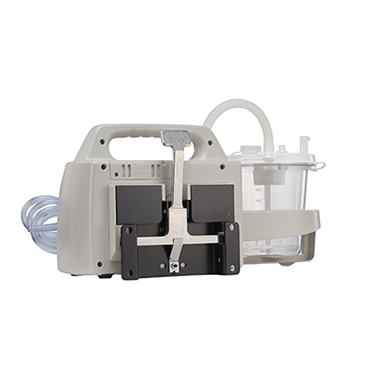
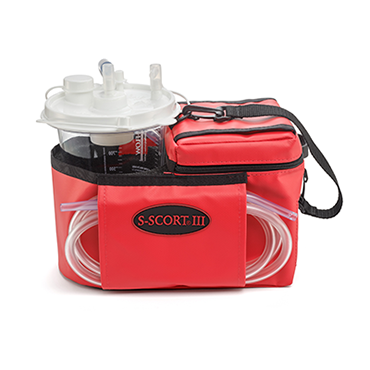
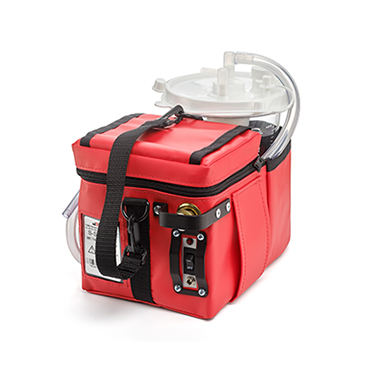
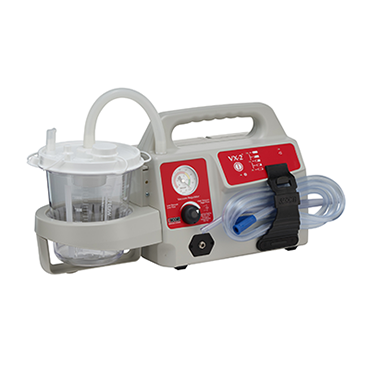
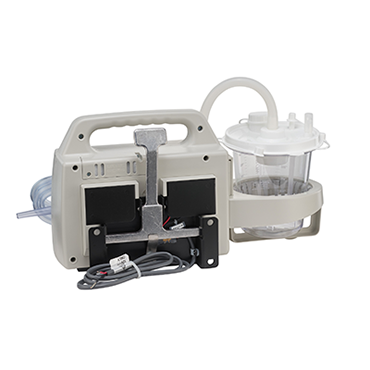
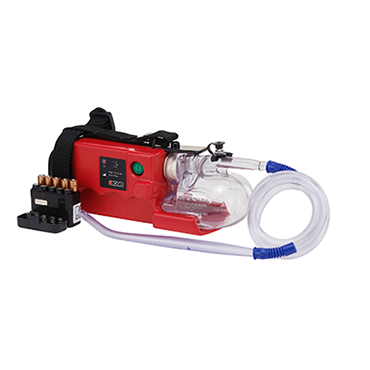
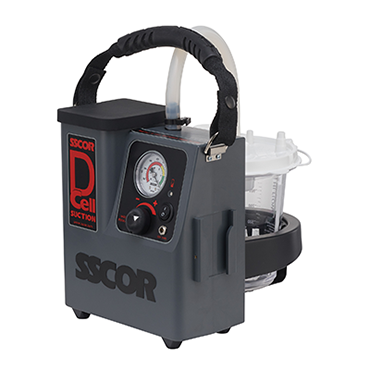
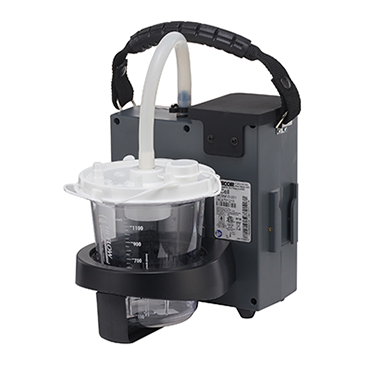
A portable suction device is a battery-powered medical unit designed for use in hospitals, pre-hospital emergency settings, and tactical medical environments. They are small enough to be easily carried and rely on batteries to sustain their power. Diligent maintenance, including having enough extra batteries on hand, is key to successfully using portable suction machines. These units represent one of the most vital types of airway suctioning machines for EMS teams operating in the field.

Managing Airway Emergencies with Makeshift Suction Devices
Long before companies designed suction machines, providers still had to protect their patients’ airways. Many turned to makeshift suction devices—especially when tending to patients in remote and high-chaos locations, such as on the battlefield.
We hope you never have to use a makeshift suction device, but in an emergency, especially a mass casualty incident, you might need to use whatever you have on hand. Makeshift suction devices include non-medical tools, such as turkey basters, that can be adapted to provide emergency aspiration when standard medical equipment is unavailable. The key is to use common sense, protect the airway as you would with any other device, and carefully monitor the patient for signs of distress.
The right set of suction devices will help ensure patient safety in every setting. So which devices do you need? We can help you decide. To choose the right suction machine for your agency, download our free guide, The Ultimate Guide to Purchasing a Portable Emergency Suction Device.
Editor's Note: This blog was originally published in April 2021. It has been re-published with additional up to date content.