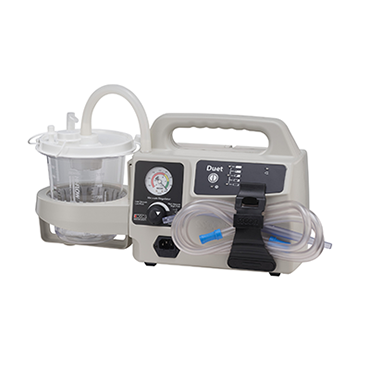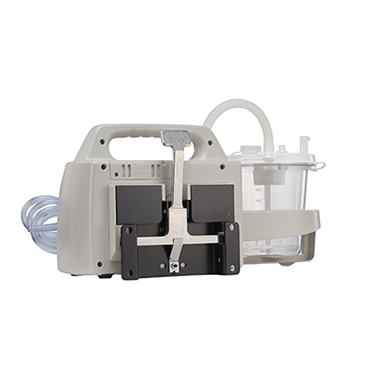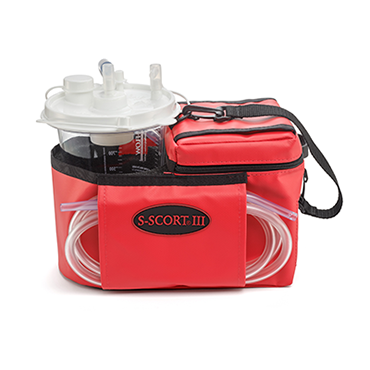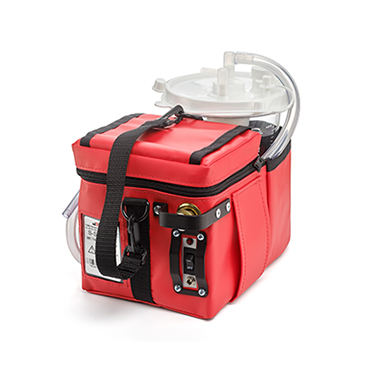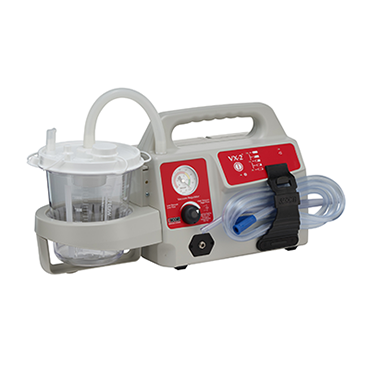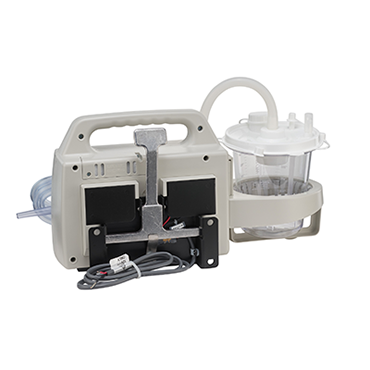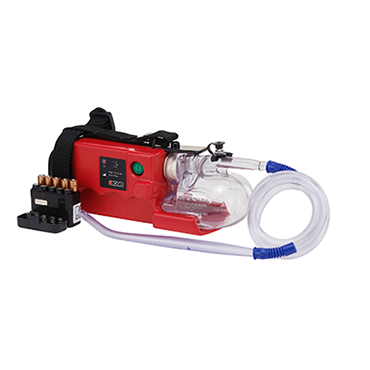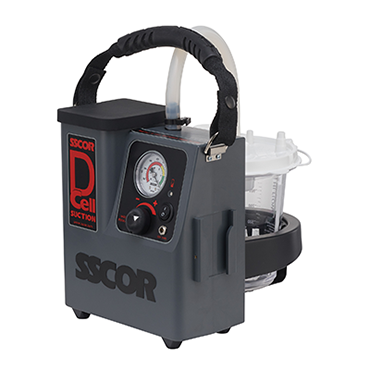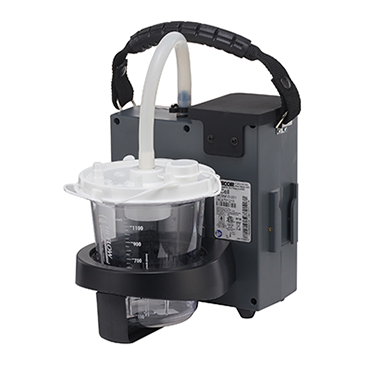



Medical suction refers to the clinical removal of fluids from a patient to maintain airway patency or manage various medical conditions. This process utilizes a vacuum source to deposit fluids into a secure collection vessel, isolating biohazardous materials from the environment and healthcare providers. Proper fluid containment is essential for preventing the transmission of infectious agents during emergency medical procedures, which is why understanding how medical suction systems prevent aerosol contamination is critical for clinical safety.
Key Takeaways
-
- Medical suction systems isolate biohazardous materials by using vacuum sources to deposit fluids into vessels.
- Aerosol particles generated during suctioning can transport harmful bacteria and viruses into the clinical environment.
- Mechanical shutoff valves and hydrophobic filters are primary mechanisms for preventing fluid overflow and contamination.
- Selecting portable suction units requires evaluating filtration efficiency and resistance to premature shutdown during movement.
- Manufacturers must provide verified test data proving the bacterial filtration effectiveness of their suction canisters.
Hospitals have long taken measures to protect staff from contaminants collected during suctioning. You will see below why this is important and best practices for managing this problem below. What applies to the hospital also applies to the prehospital environment. In short, it amounts to collect, contain, carefully discard.
The process of rapidly removing fluids and depositing them into a canister produces aerosol particles that can transport bacteria and viruses. If these particles are released into the air, they can enter the airways of anyone in the area. How can this be prevented, given the variety of canisters and collection bags on the market?
This is not new science. For decades, standard suction canisters have incorporated shut-off valves to prevent fluid overflow and filters to capture aerosolized pathogens. There are two primary types of shutoff and filtration mechanisms.
New: Ultimate Guide to Purchasing a Portable Emergency Suction Device
First, a mechanical shutoff is often installed in the lid of the canister, as well as a bacteria filter. For instance, the Bemis Hi-FLOW™ canister with float valve and the Aerostat™ filter claims >99.99% bacterial efficiency.
Also available in many canisters is a hydrophobic filter. This filter can either be a membrane, or sintered plastic, impregnated with corn starch. Air can pass, but bacteria and fluids cannot. The device shuts down when fluid contacts the filter. An example of this is the SSCOR Quickdraw canister with a bacterial filtration rate of 99.98%.
Solving the filtration problem is more complex for soft ‘bag’ collection systems than for rigid suction canisters or liner systems that utilize a hard shell. Imagine a bag, laying on the ground, or some other surface, filling with fluid. There can be no mechanical shut off, and a hydrophobic filter will be susceptible to premature wetting and shutdown if the bag is jostled or not carefully placed.
When selecting a portable suction unit, clinicians should evaluate how the collection system manages fluid volume without premature shutdown or the release of harmful aerosols. Ask what tests the manufacturer has had performed by licensed test labs to determine the bacterial effectiveness of their filtration system. What happens if the canister is jostled or squeezed? Will that cause overflow or premature shut off?
The operational effectiveness of a suction device and the safety of healthcare staff depend on a filtration system that is efficient without being restrictive to airflow.