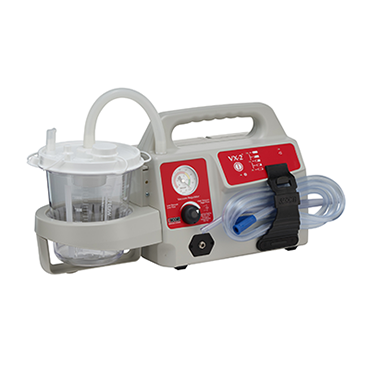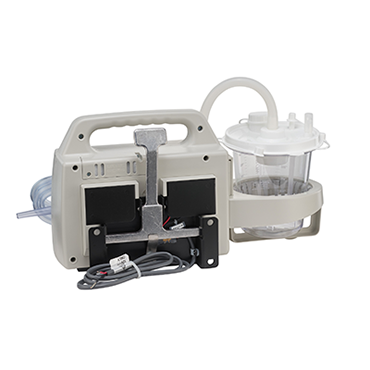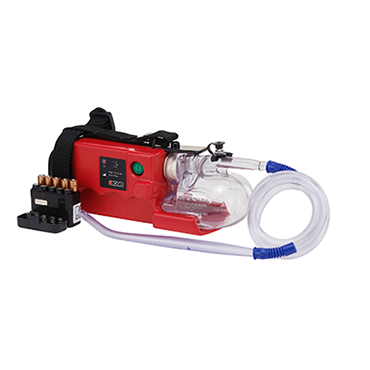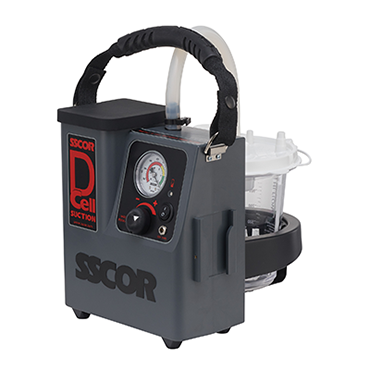



Medical suction is the combination of vacuum pressure and airflow used to remove fluids and particulates from a patient's airway. While the goal is not to remove air itself, airflow is the mechanism that entrains and moves both fluids and solids. Understanding the relationship between vacuum and flow is critical for effective airway management, and clinicians must prioritize learning how vacuum and airflow affect medical suction to ensure patient safety.
Key Takeaways
-
Medical suction functions through the combined mechanical forces of vacuum pressure and consistent airflow.
-
Airflow serves as the essential mechanism for entraining and transporting both liquid and solid particulates.
-
Effective airway management requires both vacuum power for movement and airflow for material entrainment.
-
Clinical suctioning efficiency depends on the device's ability to gather contaminants from the surrounding area.
-
Successful resuscitation relies on the timely removal of inconsistent airway materials to restore oxygen supply.
Airway contamination occurs in various forms depending on clinical causes, such as trauma, drowning, overdose, cardiac arrest, or stroke. It also depends on what the patient ate or drank recently and their respiratory health.
Clinicians typically evaluate the effectiveness of suction equipment and techniques by clearing a consistent fluid of a set viscosity from a mannequin airway. But what if the patient presents with an airway that is not a uniform ‘puddle’? What if the material is very inconsistent?
Imagine an airway contaminated after an evening of pizza and beer, or if you prefer, donuts and coffee. The inconsistent contents won’t flow neatly into a catheter and up a tube. Effective suctioning requires two components: vacuum power to move the material and airflow to entrain the material into the catheter. These two facets of ‘suction’ work together to collect the contaminants and remove them from the airway.
The suction tip needs to capture more than what is in direct contact with it. It needs to pull in as much as possible from the surrounding area. Suctioning, in preparation for intubation and resuscitation, needs to be efficient and quick. You want that catheter to ‘gather up’ as much material as possible, as quickly as possible so that you can establish the airway.
Notice how a piece of paper on the floor is entrained by the air flowing into a vacuum cleaner. You don’t need to put the nozzle right on top of the paper. Effectively entraining and removing airway contaminants is critical for successful resuscitation. Successful resuscitation is both thorough and efficient. The airway must be established in a timely manner to resume the supply of oxygen to the body and brain. Getting material out of the airway, no matter its consistency, is essential.
So, be sure that your suction device provides both aspects of suction, vacuum and flow. Check your aspirator with our free test kit.
SSCOR can also provide a flow meter that focuses on that one aspect of suction. To be certain about your system, or a system that you are considering, contact SSCOR to receive these tools.
Clinicians should consider both vacuum and flow when selecting medical suction devices for patient care.