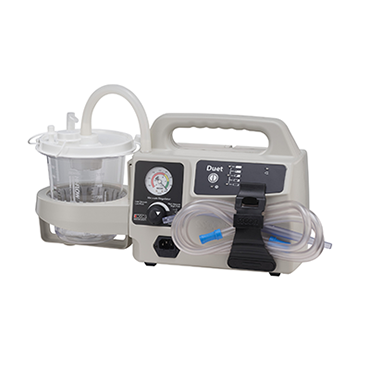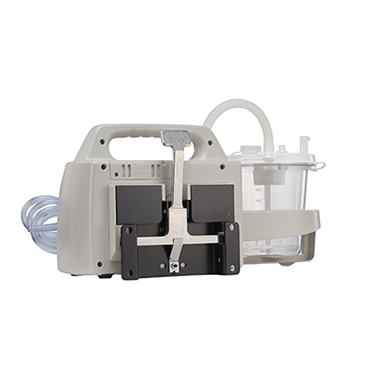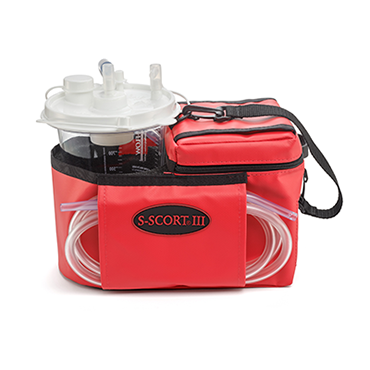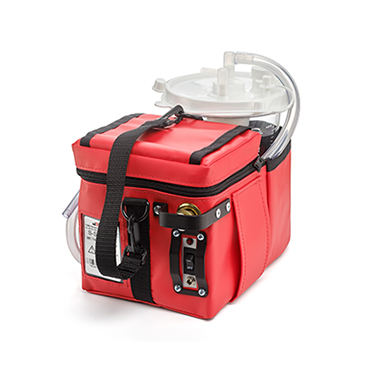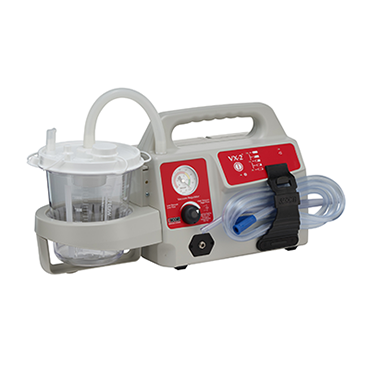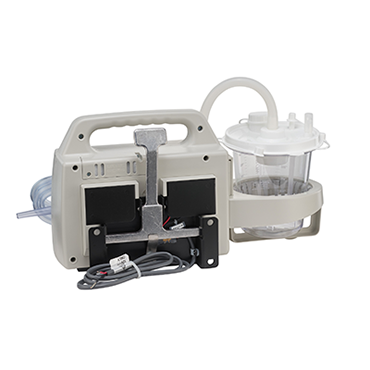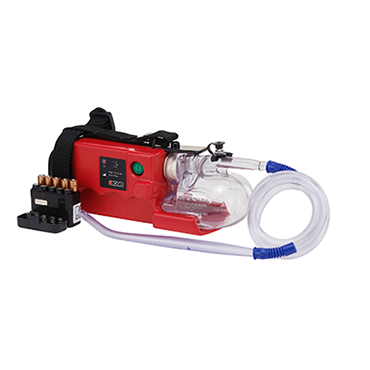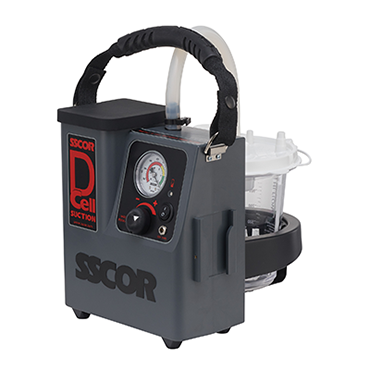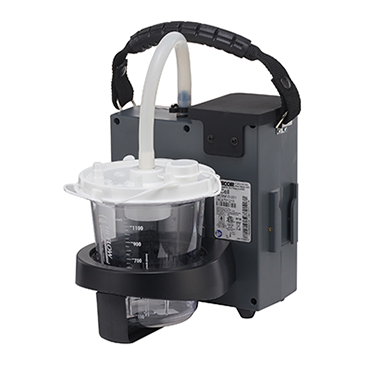


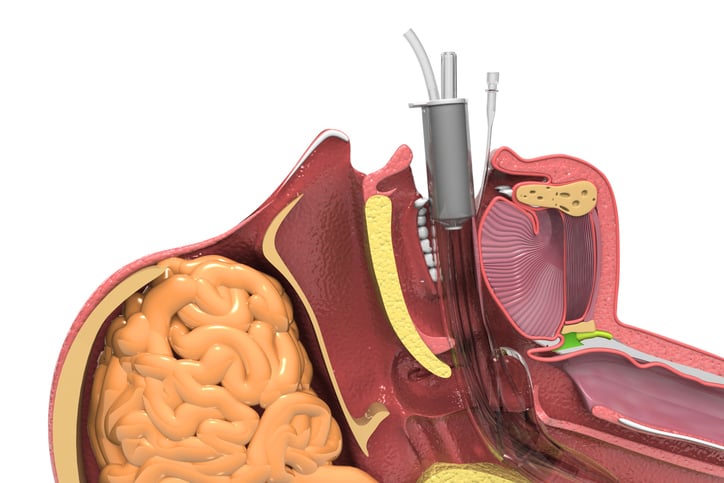
A suction catheter is one of the most versatile, useful pieces of medical equipment in your supply bag. They come in many varieties; flexible, rigid, large bore, bulb tipped, vented and non-vented. Whether it’s preventing emergencies before they start or offering life-saving treatment when a person cannot effectively breathe on their own, the right suction catheter is critical to doing your job. Here are seven key uses for suction catheters.
1. Aspiration Prevention and Treatment
A suction catheter can help prevent aspiration in a patient undergoing dental treatment, especially if the patient is in an altered state of consciousness. Patients at risk of aspiration, such as those with pneumonia, continuous vomiting, or a bloody airway, may need suctioning to prevent aspiration.
In patients who have already aspirated, prompt suctioning can restore normal airway function and reduce the quantity of contaminants that reach the lungs.
Removing contaminants from the airway can be life-saving, especially in people with weak immune systems. The most significant risk from aspiration is not choking, but infections such as aspiration pneumonia due to inhaled contaminants. The mortality rate for aspiration can be as high as 70%, but with prompt treatment, the figure is much lower.

2. Maintaining a Patent Airway in Hospital Settings
In hospital settings, especially during surgery, suction catheters can help maintain a patent airway. This lowers the risks associated with general anesthesia, especially in patients with respiratory disorders or a high risk of aspiration.
3. Management of Chronic Respiratory Conditions
Chronic respiratory conditions such as chronic obstructive pulmonary disease (COPD) increase the risk of aspiration, pneumonia, and secondary respiratory infections. A suction catheter can help clear the airway in these patients, especially when they are unable to clear secretions on their own.
Over time, patients may need routine airway clearance. In COPD, patients produce excessive amounts of sputum that can occlude the airway and make breathing difficult. Suctioning reduces coughing, maintains a clear airway, and can prevent complications such as hypoxia.
4. Treatment of Respiratory Emergencies
Emergency suctioning can be life-saving in a wide variety of respiratory emergencies. Prompt suctioning may protect the airway for some choking victims, especially when inflammation and swelling threaten to close the airway. People suffering from acute respiratory infections may also benefit from suction catheters, particularly when they cannot clear their own airways.
Anaphylaxis can close the airway, but suctioning may help. Likewise, drowning survivors may benefit from a suction catheter to prevent aspiration, manage airway secretions, and clear the airway.
5. Pediatric Airway Management
Respiratory emergencies are among the most common life-threatening conditions in pediatric patients. Neonates may require immediate suctioning to support breathing and may need ongoing suctioning, especially if they are born very prematurely.
Infants and children may require suctioning when they have respiratory infections, choking episodes, or if they have neurological conditions that impede normal breathing. The pediatric airway is smaller and anatomically distinct, so providers must choose a smaller catheter and regularly train on pediatric models.
6. Patients With Artificial Airways
Intubated patients, tracheostomy patients, and those on mechanical ventilators may need regular suctioning to clear airway secretions. In addition to the usual indications for suctioning, these patients may require suctioning at regular intervals.

The Essential Role of Suction Catheters in Patient Care
Suction catheters are essential tools that provide crucial support in various medical scenarios. They prevent aspiration, maintain clear airways, manage chronic respiratory conditions, and address emergencies. Their versatility is evident in pediatric care and the management of patients with artificial airways, highlighting their importance in both routine and urgent situations.
Healthcare providers equipped with the right suction catheters and proper training can greatly enhance patient outcomes and save lives.
Editor's Note: This blog was originally published in September 2024. It has been re-published with additional up-to-date content.