

Emergency preparedness for Emergency Medical Technicians (EMTs) refers to the state of readiness achieved through rigorous training to manage unpredictable clinical and environmental challenges. This readiness is developed by simulating complex field conditions, such as difficult airway management or mass casualty incidents, to ensure clinical proficiency under stress. Effective emergency preparedness is critical because it prevents provider complacency and reduces patient morbidity during high-stakes medical interventions. Understanding how EMT training scenarios improve patient preparedness is essential for any professional provider looking to enhance their field performance.
Key Takeaways
-
- Rigorous training simulations for EMTs build clinical proficiency to manage unpredictable field and environmental challenges effectively.
- Mastering behavioral emergency management through specific training scenarios helps EMTs gain patient trust during high-stress encounters.
- Training in extreme environmental conditions ensures that EMTs maintain readiness and comfort during complex field operations.
- Practicing secondary clinical interventions prepares EMTs to stabilize patients when primary treatments like airway clearance fail.
- High-stress training environments train the nervous system to prevent panic and support clear, competent patient care.
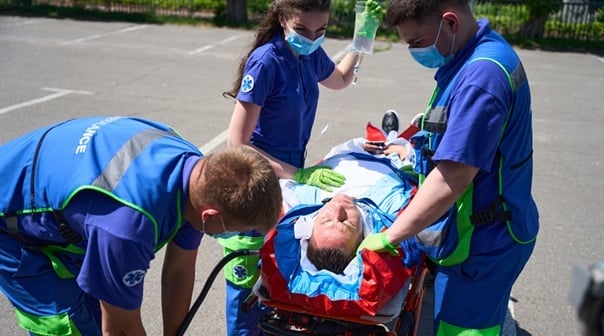
Your training sessions may feel like mundane drills until you’re suddenly hit with an experience that leaves you unprepared, whether it’s transporting a combative patient, managing care in a mass casualty scenario, or just treating a patient in the dead of winter and having to face the elements.

Emergency preparedness begins with the right training, and the right training is not easy or orderly. It prepares you to deal with the real-world scenarios you’re likely to encounter, in all of their messy, complex ugliness. Here are five EMT training scenarios that increase emergency preparedness:
1. How Training with Difficult Patients Improves Behavioral Emergency Management
Standardized training scenarios that focus only on cooperative patients often fail to prepare providers for the complexities of real-world emergency medical services (EMS). Instead, you need to focus on patient management when a patient doesn’t trust you, is aggressive and angry, or has a cognitive impairment (e.g., dementia). These patients are human beings who matter, and mastering scenarios of calming them and gaining their trust can save their lives.
2. Why Training in Environmental Extremes Prepares EMTs for Field Airway Management
Managing a difficult airway might not be terribly challenging for an experienced EMT in the back of an ambulance. But what if you’re treating someone in the snow? Or you’re tending to a patient in the blazing summer heat? Maintaining readiness in extreme weather requires specialized emergency medical equipment and a strategically organized first-in bag. It also involves training that allows you to feel comfortable when your environment is anything but.
3. Developing Secondary Intervention Strategies When Initial Emergency Treatments Fail
In training scenarios, treatment works, and patients recover. But what about the real world where initial treatment may fail, or a patient might develop a secondary complication? Good training focuses on what can go wrong, rather than always highlighting treatment that goes right. Practicing secondary clinical interventions ensures that EMTs can maintain patient stability when primary treatments, such as initial airway clearance, are unsuccessful.
4. Managing Patient Care in High-Stress and Chaotic Emergency Scenarios
In the classroom, your peers know you’re under pressure. They’re probably quiet when you drill on basic skills, and helpful when you need some extra guidance. The real world doesn’t offer this gentle environment. You may have to treat patients when bystanders are angry or yelling, parents are panicking, or even in the middle of a crime scene. Practicing in these high-stress scenarios trains your nervous system not to panic, so you can think clearly and competently treat your patients.
5. Applying Clinical Ingenuity to Complex Patient Extrication and Emergency Scenarios
Picture this: You’re called to the scene of a potential heart attack at the top of a high-rise. The patient weighs 400 pounds and cannot move. What do you do?
Or: You’re called to a home with precipitous childbirth. Mom is bleeding, dad is panicking, and neither of them seems able to get the family dog, which is aggressive to strangers, out of the way. Being an EMT requires rapid thinking and a bit of ingenuity in tough circumstances. During training sessions, try devising challenging situations to flex your critical thinking and problem-solving skills. By consistently evaluating how EMT training scenarios improve patient preparedness, agencies can better adapt to these complex field demands.
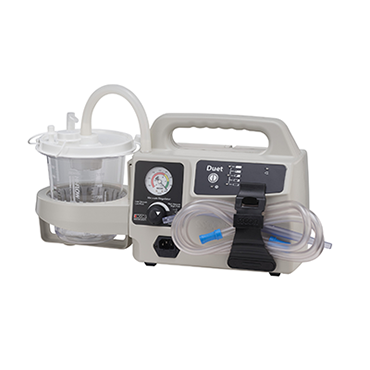
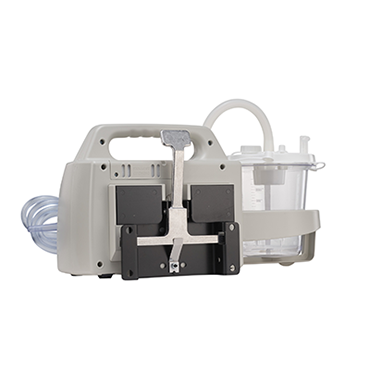
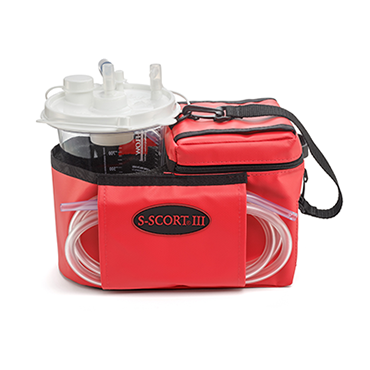
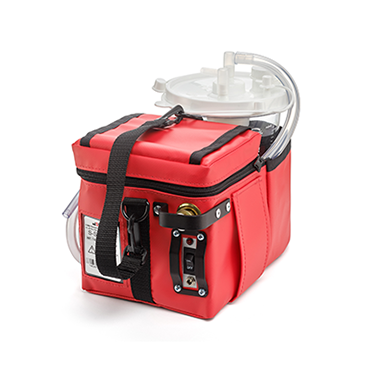
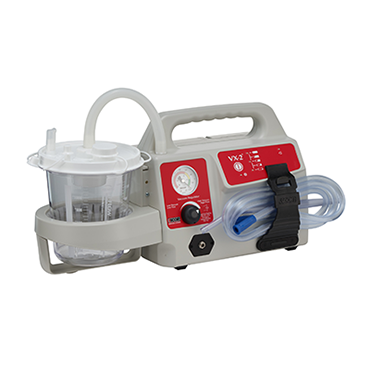
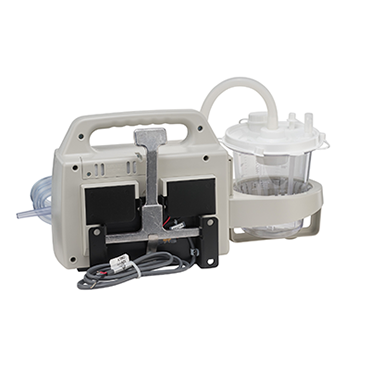
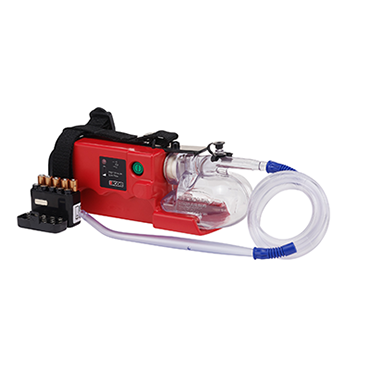
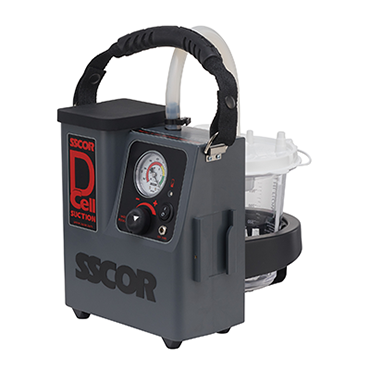
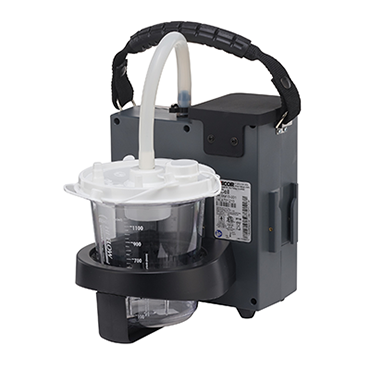
No matter whom you treat or where, airway management is key to keeping your patients alive. Utilizing high-quality portable emergency suction devices allows EMTs to perform rapid airway clearance, significantly reducing patient morbidity and mortality.
For help selecting a portable airway management system for your agency, download our free guide, The Ultimate Guide to Purchasing a Portable Emergency Suction Device.
Editor's Note: This blog was originally published in October 2025. It has been re-published with additional up-to-date content.