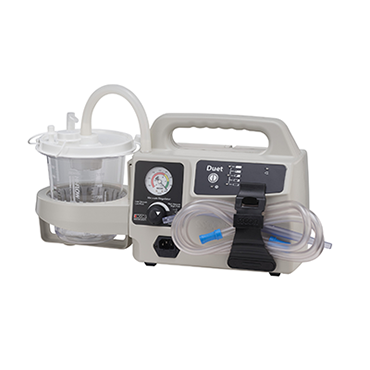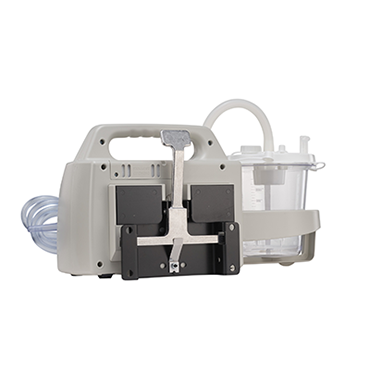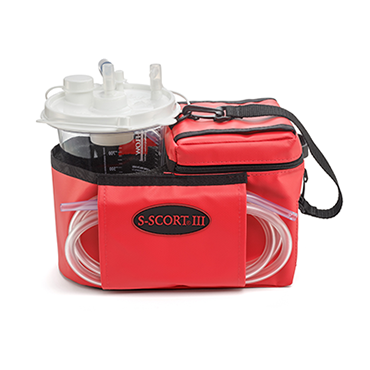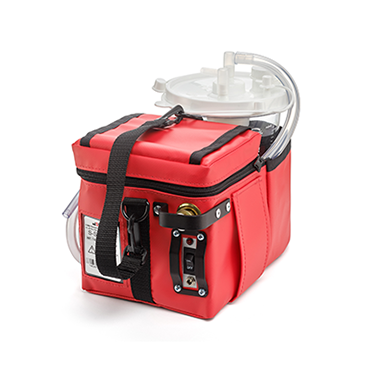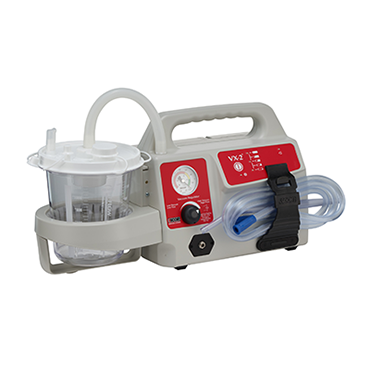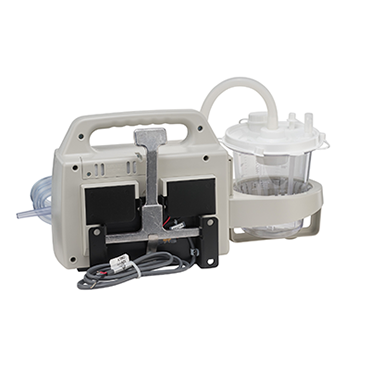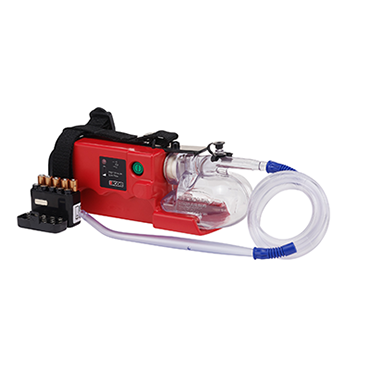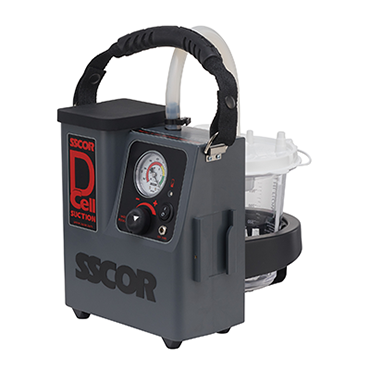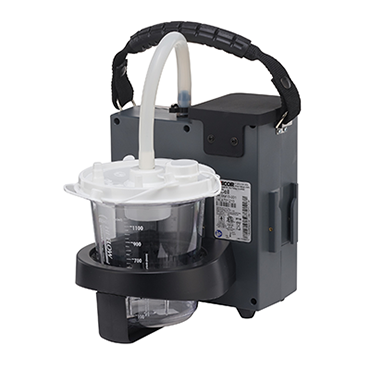



A portable suction unit is a medical device designed to clear a patient's airway by removing fluids, secretions, and debris in emergency medical settings. These units operate by generating negative pressure and airflow to entrain and transport obstructions into a collection canister. Because high-quality portable suction is critical for maintaining airway patency, clinicians must prioritize effective gear like a well-made portable suction unit over inexpensive, below-standard imports. Learning how to choose a portable suction unit correctly ensures that medical teams are prepared for critical airway management scenarios.
Key Takeaways
- A portable suction unit removes fluids and debris to maintain patient airway patency during emergencies.
- Reliability is the primary factor when clinicians evaluate how to choose a portable suction unit.
- Effective suction requires both strong vacuum pressure and sufficient airflow to clear airway obstructions.
- Variable vacuum pressure settings are essential for safely treating pediatric and elderly patient populations.
- Durability and ergonomic design are critical for deploying suction devices across challenging field environments.
Clinicians should evaluate three primary features when selecting a high-quality portable suction unit.
Ensuring Reliability in Emergency Airway Management
What good is a suction unit if it does not work when you need it? There are a few reasons why suction units fail:
- Weak internal components that fail when you need them most. Your unit must be able to withstand the rigors of emergency scenes.
- Poor battery life. What good are batteries if they don’t hold a charge?
- Poor design that makes it difficult to operate in stressful situations. Clear, easy controls are a necessity against the challenging environments of EMS calls.
Maximizing Effectiveness for Airway Clearance
A portable suction unit must be effective and must withstand the blood, vomit, and tissue that can impede your patient’s airway. To effectively remove material, the suction pump must generate the two components of medical suction; good, strong vacuum and ample airflow to entrain and remove fluids and solids from the airway.
Choose a unit that not only has the power to accomplish the task but also accommodates an array of catheters to meet the various challenges you will encounter out in the field. You won’t get very far using a one-size-fits-all catheter, especially when confronted with a clogged airway.
Variability is also crucial. You want a unit that will enable you to regulate the amount of suction so that you don’t put your elderly or pediatric patients at risk. Their smaller, vulnerable airways require a delicate touch and a suction unit with variable vacuum pressure.

Prioritizing Portability and Durability in the Field
A portable suction unit must be lightweight and ergonomic to ensure rapid deployment in the field. It can’t be a burden to carry, or it simply won’t be carried! Today’s advanced technology means electronics are smaller, lighter, and more complex, so choose a unit that integrates these high-tech components.
If you wish to include your suction unit in another bag, say an airway or trauma bag, it must be small and lightweight. If the unit will stand alone and be part of the ALS assemblage, it must be easy to carry, with spacious grips and a rugged outer shell.
Also, consider any special conditions your personnel may face, such as weather extremes or rugged terrain. You want a suction unit that is durable enough to handle the severity of the EMS environment.
So, when it’s time to choose a portable suction unit, choose wisely, for there is no substitute for quality.
Editor's Note: This blog was originally published in January, 2017. It has been re-published with additional up to date content.