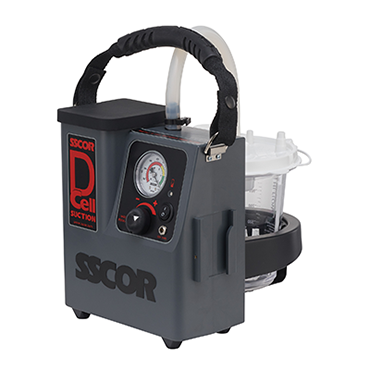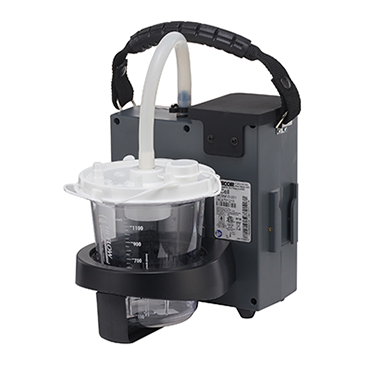

Aspiration of pharyngeal or gastric material into the lungs is a significant risk for many patients in the ICU. This may lead to the development of aspiration pneumonia, which can cause serious complications.
Whether you're in a Hospital or EMS setting, this is the place for you. We'll share information on current industry news, tips, as well as the latest and greatest in SSCOR products.
Our hope is that this blog is not only informative but a collaborative and open forum for you to share your thoughts on developing opportunities and challenges within your profession.
Subscribe. Share your thoughts. Enjoy.
-SSCOR Team
Posted by Sam D. Say
Aug 3, 2022 8:00:00 AM
Aspiration of pharyngeal or gastric material into the lungs is a significant risk for many patients in the ICU. This may lead to the development of aspiration pneumonia, which can cause serious complications.
Topics: Airway management
Many people, from infants and children to adults with certain medical conditions, rely on tracheostomies for breathing assistance. A tracheostomy — which involves placing a tube through the front of the neck into the windpipe (trachea) to provide an air passage — is necessary in many cases, but it can also come with various risks and airway management concerns for patients and their providers.
Topics: Emergency Preparedness
Today’s hospitals must be ready for everything. Whether it means complying with the 250 yard rule, or dealing with a regional or national disaster, or, as has been made so painfully clear, managing the patient surge generated by a national pandemic like COVID, hospitals must be prepared. Unfortunately, disaster can take many forms: earthquakes, floods, disease, and acts of terrorism are just a few. Since there is no such thing as a “normal disaster,” hospitals must be prepared to handle anything the world throws at them. In this article, we will discuss four obstacles a hospital can face when a disaster strikes:
Topics: Hospital disaster preparation
Posted by Sam D. Say
Jul 6, 2022 7:30:00 AM
Roughly 1.5 million Americans are affected by neuromuscular disorders annually, and patients with neuromuscular disorders experience a host of airway complications resulting from muscle weakness. It’s important that EMS providers remain knowledgeable about different types of neuromuscular disorders and their symptoms so they’re able to provide the best treatment and airway management techniques for their patients.
Topics: medical scenarios
Prehospital suctioning of critically ill patients is a core skill that all first responders must master. Before the advent of suction machines, patients were faced with the terrifying realities of inadequate or nonexistent suction. Now, first responders have a number of options.
Topics: portable suction
Posted by Sam D. Say
Jun 29, 2022 6:30:00 AM
Emergency responders are the people on the frontlines of every accident, crisis and disaster. But over time — and especially in recent years — being subjected to these stressful, traumatic situations can cause burnout and negatively affect their mental health.
Topics: EMS Professionals
Topics: respiratory assessment
They may not always be on the frontlines, but health care risk managers play a crucial role in ensuring the safety of patients. There is a time, however, to celebrate these professionals.
Posted by Sam D. Say
Jun 15, 2022 6:00:00 AM
Patients come in all shapes and sizes, and the weight of your patient is an important consideration when deciding which treatment techniques to employ and what equipment to use.
Images and content of this blog are © 2023 SSCOR, Inc. All rights reserved.