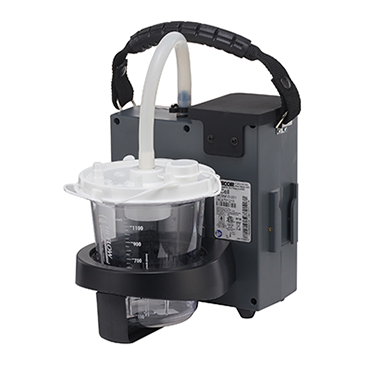
A tracheostomy opens a direct airway into the neck. Its prevalence in long-term care is increasing, and some providers assert that early tracheostomy in mechanically ventilated patients may decrease complications and reduce morbidity.

Nov 28, 2024, 8:00:00 AM
A tracheostomy opens a direct airway into the neck. Its prevalence in long-term care is increasing, and some providers assert that early tracheostomy in mechanically ventilated patients may decrease complications and reduce morbidity.
Topics: Airway management
Nov 2, 2024, 8:00:00 AM

Pediatric emergencies are always a bit unsettling. Fortunately, children make up a minority of our patients, but when these emergencies occur, it can be stressful—for the patient, for the patient’s family, and for you, the responder.
Topics: Airway management
Oct 31, 2024, 8:00:00 AM
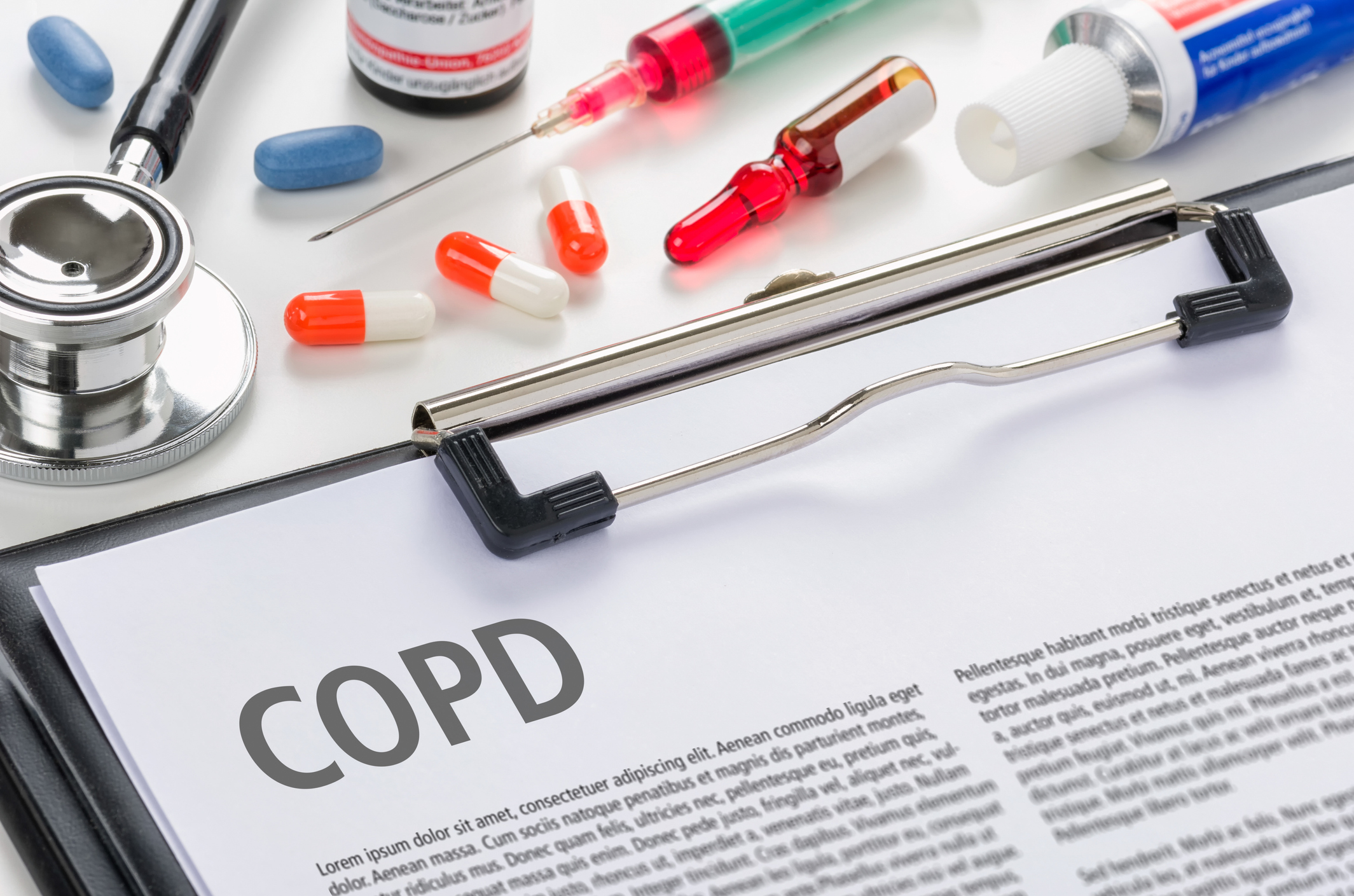
Chronic obstructive pulmonary disease (COPD) affects almost 12 million people in the United States. Though people of widely varying health profiles can develop this disorder, it is more common among people who smoke. Suctioning these patients demands skill and compassion. Here’s what you need to know about suctioning a patient with COPD.
Topics: Airway management
Oct 19, 2024, 8:00:00 AM

Around 1.4 million people living with a life-limiting illness receive care from hospices in the United States annually. To optimize the quality of life for patients in hospice and palliative care settings, healthcare providers must be knowledgeable about the unique breathing problems and airway emergencies these patients experience, along with the best methods for airway management and treatment.
Topics: Airway management
Oct 10, 2024, 8:00:00 AM

Anyone in the medical field can attest to an epidemic sweeping our country: opioid overdose . This lethal condition has touched every region of the US and is now a leading cause of death. It’s been proclaimed a national health crisis. If you're an EMS responder, it is simply a matter of time before you are faced with this situation.
Topics: Airway management
Sep 28, 2024, 8:00:00 AM

Suctioning can be life-saving in neonates, particularly those born prematurely and those struggling with the transition from fetus to neonate. Like any medical intervention, it also presents some risks, especially if performed absent medical indication or hastily and thoughtlessly. Identifying the most common neonatal suction catheter complications can help you reduce patient risk, improving care outcomes and potentially saving lives.
Topics: Airway management, Suction Catheter
Sep 12, 2024, 8:00:00 AM

Both basic and advanced airway management can save lives. Neither is more important than the other, and neither is a “better” option. When basic airway management is the safest and most effective option, immediately escalating to advanced airway management can be immensely harmful.
Topics: Airway management
Sep 7, 2024, 8:00:00 AM

It’s astonishing how fast a 12-hour shift in the hospital can go. You find yourself in constant motion, carefully assessing each patient and making sure to complete all of your necessary duties before the next nurse comes on to relieve you.
Topics: Airway management
Jul 27, 2024, 8:00:00 AM

You can tell a lot in the first few seconds of patient contact. Your initial survey begins the moment you step on scene. For example, there’s that “difficulty breathing” call that comes in the wee hours of the morning to an assisted-living residence you’ve responded to on countless occasions.
Topics: Airway management
Jun 8, 2024, 8:00:00 AM

Predicting difficult airways is key to successful intubation, and can minimize psychological and physical trauma to patients. Patients with difficult airways face higher morbidity and mortality rates because intubation may be delayed or even impossible. A simple mnemonic device can help you quickly assess a patient’s airway and respond appropriately.
Topics: Airway management