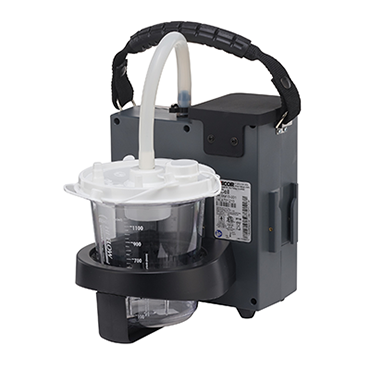
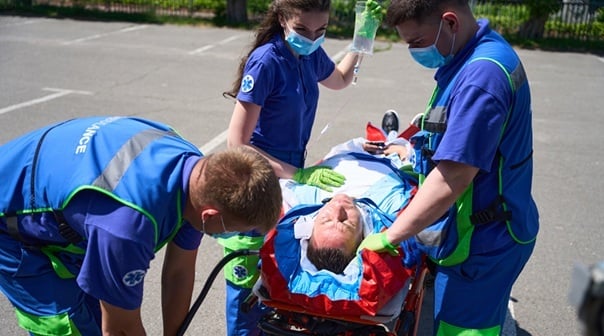
Emergency preparedness for Emergency Medical Technicians (EMTs) refers to the state of readiness achieved through rigorous training to manage unpredictable clinical and environmental challenges. This readiness is developed by simulating complex field conditions, such as difficult airway management or mass casualty incidents, to ensure clinical proficiency under stress. Effective emergency preparedness is critical because it prevents provider complacency and reduces patient morbidity during high-stakes medical interventions. Understanding how EMT training scenarios improve patient preparedness is essential for any professional provider looking to enhance their field performance.
Key Takeaways
-
- Rigorous training simulations for EMTs build clinical proficiency to manage unpredictable field and environmental challenges effectively.
- Mastering behavioral emergency management through specific training scenarios helps EMTs gain patient trust during high-stress encounters.
- Training in extreme environmental conditions ensures that EMTs maintain readiness and comfort during complex field operations.
- Practicing secondary clinical interventions prepares EMTs to stabilize patients when primary treatments like airway clearance fail.
- High-stress training environments train the nervous system to prevent panic and support clear, competent patient care.