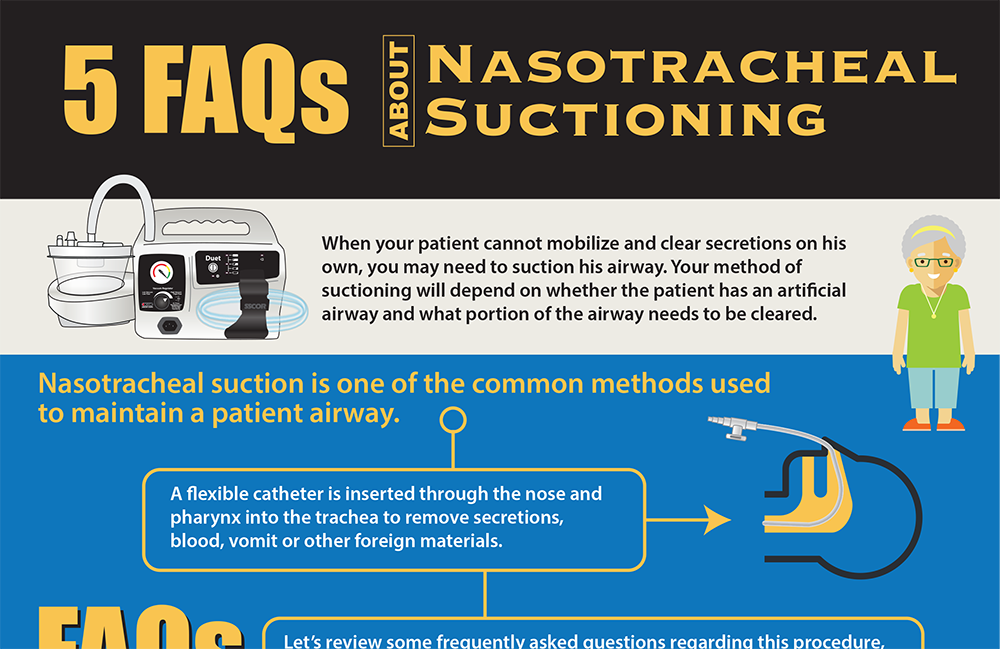
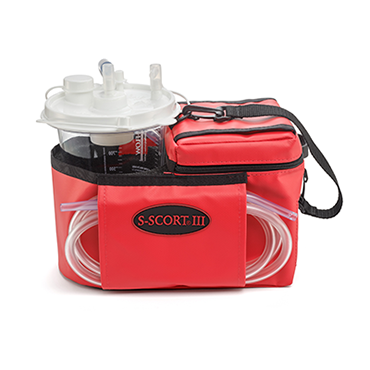
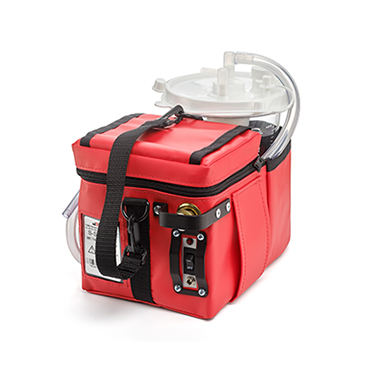
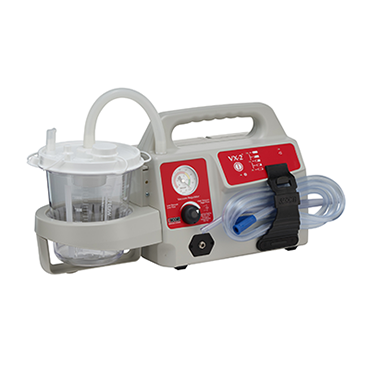
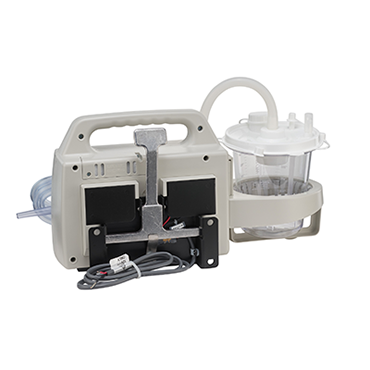
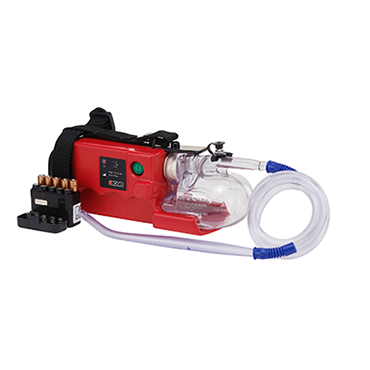
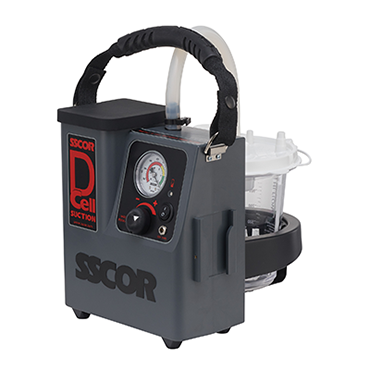
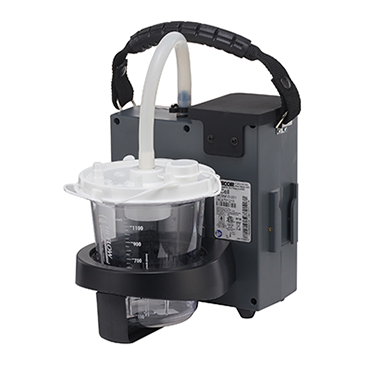
Airway suctioning refers to the mechanical removal of secretions, blood, or foreign material from the respiratory tract to maintain airway patency. By clearing the airway, these medical devices prevent aspiration pneumonia and facilitate effective ventilation in patients ranging from drowning victims to those requiring intubation. Because the risk of iatrogenic airway injuries is high, paramedics and EMTs must understand the specific types of airway suctioning machines for EMS to ensure patient safety.
The risk of suction-related mistakes is high. Latrogenic airway injuries are common, especially when caring for pediatric patients, the elderly, and intubated patients. Your ability to save lives depends on a comprehensive awareness of each type of suctioning machine. In a mass casualty event such as a natural disaster, you might need to use another agency’s equipment. Now is the time to learn, practice, and build your skills. Here are four types of suction machines you need to know.
Key Takeaways
-
Airway suctioning is essential for removing respiratory secretions and preventing life-threatening aspiration pneumonia in patients.
-
Manual suction devices operate without electricity but often provide inconsistent vacuum pressure during emergency medical procedures.
-
Wall-mounted suction units provide stationary, reliable vacuum power within ambulances and hospital-based patient care environments.
-
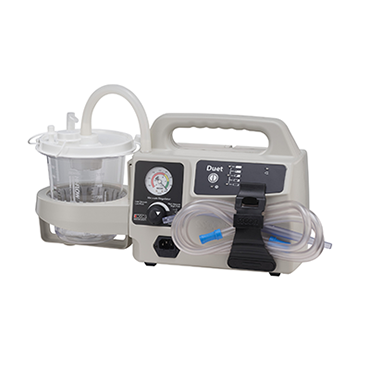
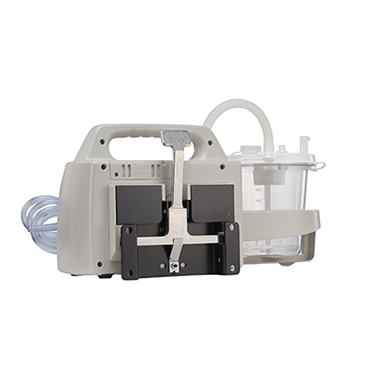
Battery-operated portable suction devices offer mobile, high-performance vacuum capabilities for tactical and pre-hospital emergency settings.
-
Makeshift suction devices serve as last-resort tools for airway protection when standard medical equipment remains unavailable.