
Thank you for visiting the SSCOR Blog.

Whether you're in a Hospital or EMS setting, this is the place for you. We'll share information on current industry news, tips, as well as the latest and greatest in SSCOR products.

Our hope is that this blog is not only informative but a collaborative and open forum for you to share your thoughts on developing opportunities and challenges within your profession.

Subscribe. Share your thoughts. Enjoy.

-SSCOR Team


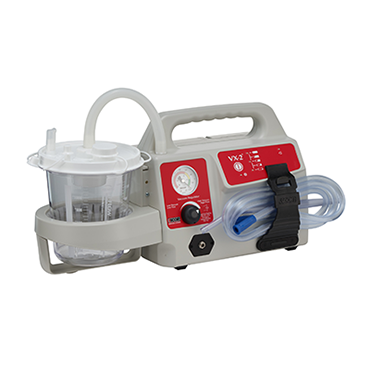
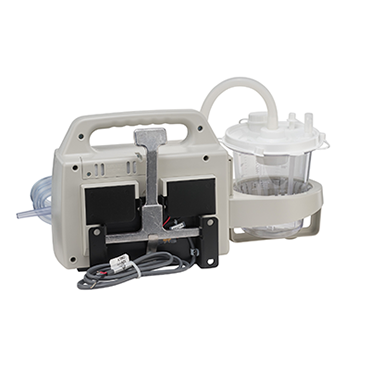
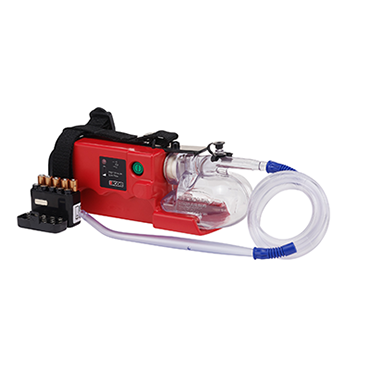
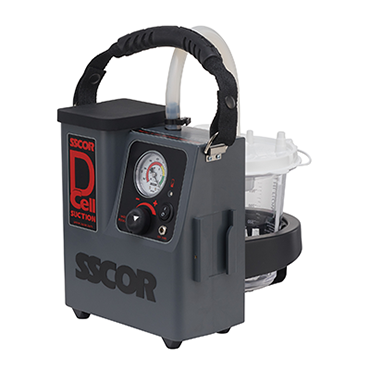
4 Types of Airway Suctioning Machines for EMS Professionals

Posted by Sam D. Say

Apr 20, 2024, 8:00:00 AM


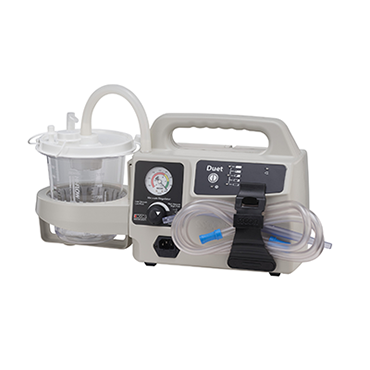
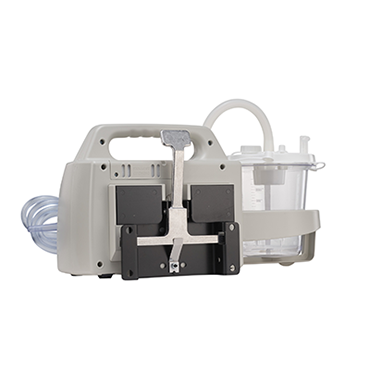
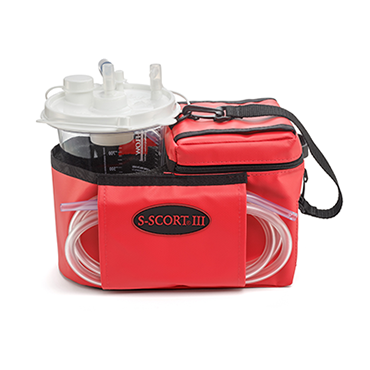
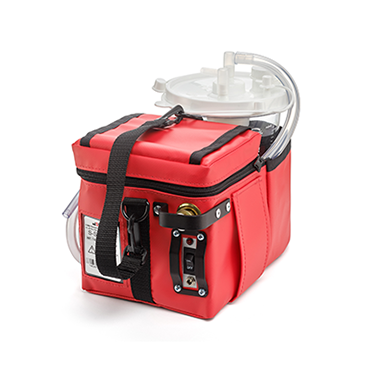
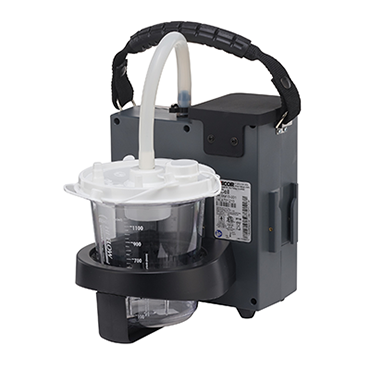
Airway suctioning refers to the mechanical removal of secretions, blood, or foreign material from the respiratory tract to maintain airway patency. By clearing the airway, these medical devices prevent aspiration pneumonia and facilitate effective ventilation in patients ranging from drowning victims to those requiring intubation. Because the risk of iatrogenic airway injuries is high, paramedics and EMTs must understand the specific types of airway suctioning machines for EMS to ensure patient safety.


The risk of suction-related mistakes is high. Latrogenic airway injuries are common, especially when caring for pediatric patients, the elderly, and intubated patients. Your ability to save lives depends on a comprehensive awareness of each type of suctioning machine. In a mass casualty event such as a natural disaster, you might need to use another agency’s equipment. Now is the time to learn, practice, and build your skills. Here are four types of suction machines you need to know.


Key Takeaways

  • Airway suctioning is essential for removing respiratory secretions and preventing life-threatening aspiration pneumonia in patients.

  • Manual suction devices operate without electricity but often provide inconsistent vacuum pressure during emergency medical procedures.

  • Wall-mounted suction units provide stationary, reliable vacuum power within ambulances and hospital-based patient care environments.

  • Battery-operated portable suction devices offer mobile, high-performance vacuum capabilities for tactical and pre-hospital emergency settings.

  • Makeshift suction devices serve as last-resort tools for airway protection when standard medical equipment remains unavailable.


 

Read More

Topics: Suction for EMS professionals, EMS suction

6 Precautions Nurses Should Take When Suctioning

Posted by Sam D. Say

Apr 18, 2024, 8:00:00 AM

Sooner or later, every nurse must suction a patient. For nurses who work in intensive care units or emergency care, or who support patients with spinal cord injuries, suctioning may be a daily part of the job. When suctioning becomes routine, it’s easy to lose sight of the risks. Some simple precautionary measures can both reduce risk and improve patient outcomes.

Read More

Topics: Medical Suction

5 Complications of Suctioning and How to Prevent Them

Posted by Sam D. Say

Apr 13, 2024, 8:00:00 AM

Suctioning can prevent a wide range of severe complications and save lives in emergencies. But like all medical procedures, it carries some risks. One analysis found a complication rate of 38.6% in routine endotracheal suctioning, though a less invasive procedure reduced complications to 28.6%. However, small changes in technique, such as appropriately pre-oxygenating patients before suctioning, can reduce the risk of complications. Most common suctioning side effects are preventable. Here are the strategies your agency can implement today to improve patient safety. 

Read More

Topics: Medical Suction

Respiratory Failure vs. Distress

Posted by Sam D. Say

Apr 11, 2024, 8:00:00 AM

Download a great infographic for this blog!


Respiratory failure and respiratory distress are both medical emergencies that demand prompt treatment and present special dangers to vulnerable groups such as children, elders, and people with chronic illnesses. Respiratory distress, for example, affects about 1% of newborns and is the leading cause of death in neonates born prematurely.

Read More

Topics: Respiratory, respiratory assessment

5 Things to Know About Suctioning Newborns

Posted by Sam D. Say

Apr 6, 2024, 8:00:00 AM

Routine suctioning at birth has been the standard of care for newborns for decades. However, evidence calls this practice into question, and many hospitals are moving away from it. But this doesn’t mean that suctioning is obsolete. Newborns in respiratory distress, those with low Apgar scores, and those struggling with the transition from fetus to newborn may still need bulb suctioning, or occasionally, suctioning with a machine. Here are five things you need to know about suctioning newborns.

Read More

Topics: Pediatric Suction

4 Types of Natural Disasters and Their Specific Injuries

Posted by Sam D. Say

Apr 4, 2024, 8:00:00 AM

Download a great infographic for this blog!

For many, there is nothing more beautiful than watching Mother Nature in action. Witnessing the power of 30-foot waves crashing against the beach or taking a boat down a winding river while it cuts its way through a valley can be an amazing experience. Unfortunately, sometimes that power manifests itself as a natural disaster. The following is an overview of four types of natural disasters and the specific injuries usually encountered by a hospital.

Read More

Topics: Hospital disaster preparation

Respiratory Distress in a Patient with Clear Lungs: What You Need to Know

Posted by Sam D. Say

Mar 28, 2024, 8:00:00 AM

Acute respiratory distress syndrome (ARDS) occurs when blood oxygen levels drop too low because fluid has accumulated in the lungs. Numerous medical conditions, both acute and chronic, can cause ARDS. Often, a first responder or doctor hears wheezing or crackling sounds coming from the lungs. When the lungs are clear, this usually signals a hematologic, metabolic, or obstructive process. Here’s what you need to know about diagnosing and treating the cause.

Read More

Topics: Respiratory

Purchasing Replacement Batteries for Your Portable Suction Device

Posted by Scott Eamer

Mar 23, 2024, 8:00:00 AM

The majority of portable suction devices are powered by sealed lead-acid batteries. While this type of battery uses stable and reliable chemistry, it can lose capacity over time and require replacement. When buying a replacement battery for your portable suction device, there are a few things you should keep in mind.

Read More

Topics: Battery-powered suction, Emergency medical suction, Airway management, Medical Suction

Are You Prepared for Pediatric Trauma?

Posted by Sam D. Say

Mar 21, 2024, 8:00:00 AM

The call came in as a “child down.” No other information was available. As your unit races to the scene, you do a quick mental inventory of the equipment you may need: pedi bag, airway bag, spinal immobilization, trauma bag. As with any emergency, your pulse is racing, but when the call involves a child, there is always an added layer of stress. Is your equipment ready? Did you inventory the pedi bag this morning? Can you recall the drug dosages, in case the child is in full arrest? A million questions flash through your mind.

Read More

Topics: Emergency Preparedness

This Month in Emergency Preparedness News: The 5 Most Common School Emergencies

Posted by Sam D. Say

Mar 16, 2024, 8:00:00 AM

School is in session, and medical emergencies in school are common – 10% to 15% of students have special medical needs or a chronic health issue—yet many schools are unprepared to manage them. 

Read More

Topics: Emergency Preparedness