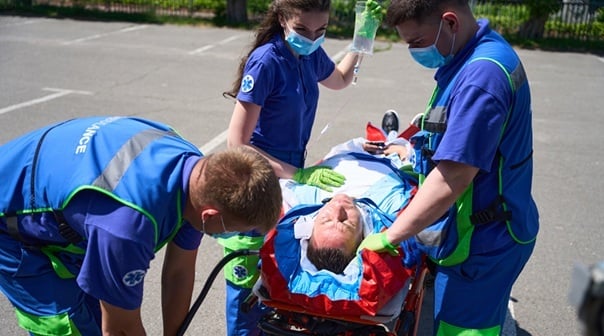
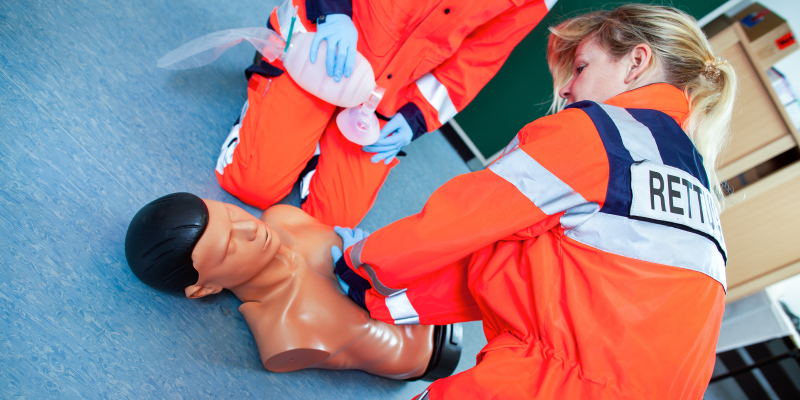
Emergency preparedness for Emergency Medical Technicians (EMTs) refers to the state of readiness achieved through rigorous training to manage unpredictable clinical and environmental challenges. This readiness is developed by simulating complex field conditions, such as difficult airway management or mass casualty incidents, to ensure clinical proficiency under stress. Effective emergency preparedness is critical because it prevents provider complacency and reduces patient morbidity during high-stakes medical interventions. Understanding how EMT training scenarios improve patient preparedness is essential for any professional provider looking to enhance their field performance.
Key Takeaways
-
- Rigorous training simulations for EMTs build clinical proficiency to manage unpredictable field and environmental challenges effectively.
- Mastering behavioral emergency management through specific training scenarios helps EMTs gain patient trust during high-stress encounters.
- Training in extreme environmental conditions ensures that EMTs maintain readiness and comfort during complex field operations.
- Practicing secondary clinical interventions prepares EMTs to stabilize patients when primary treatments like airway clearance fail.
- High-stress training environments train the nervous system to prevent panic and support clear, competent patient care.
Read More
Topics:
Airway management,
Emergency Preparedness,
EMS Professionals,
emt scenarios
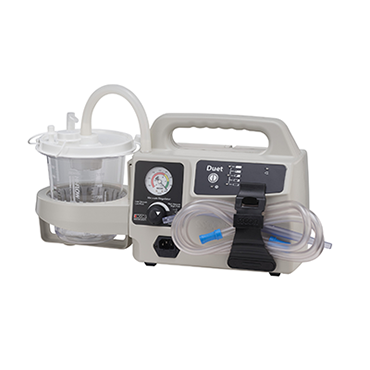
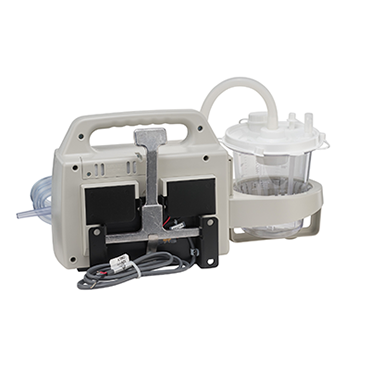
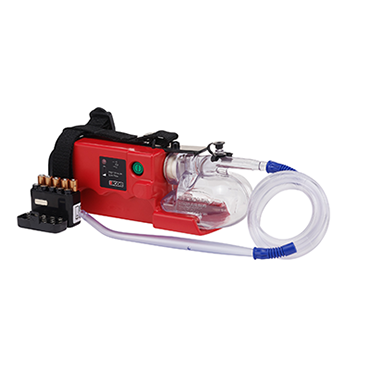
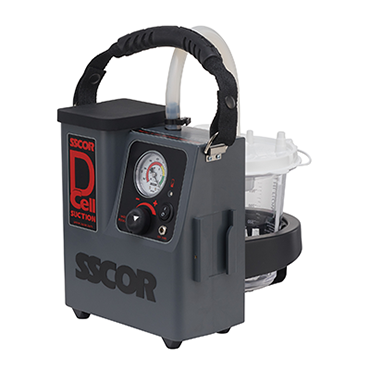
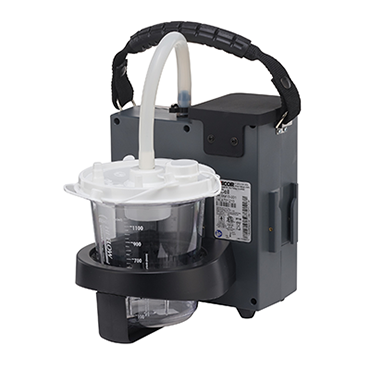
Efficient emergency medical responses are defined by the principle to "be quick, but don’t hurry," a concept famously advocated by coach John Wooden that requires a balance of clinician training and intuitive equipment design. This mechanism allows a well-trained provider to execute life-saving skills rapidly while minimizing the risk of errors caused by rushed movements. Understanding how equipment design improves emergency medical response is essential for prioritizing devices with straightforward controls to optimize patient outcomes during high-stress airway management and resuscitation procedures.
Key Takeaways
-
- Intuitive device controls directly reduce the risk of human error during high-stress medical emergency procedures.
- Proper equipment selection balances clinical training requirements with the need for rapid, efficient device deployment.
- Standardizing device interfaces across hospital and field environments improves clinician performance and reduces cognitive load.
- Portable medical devices must maintain full functionality and stability during patient transport to ensure continuous care.
- Selecting essential features over unnecessary complexity streamlines emergency workflows and enhances overall patient safety outcomes.
Read More
Topics:
Handheld portable suction,
Emergency medical suction,
Suction for EMS professionals,
EMS suction,
Patient Transport,
Emergency Preparedness,
EMS Professionals
When faced with the challenge of transporting someone in respiratory distress, emergency responders should be able to identify the symptoms and remain prepared to spring into action with the right procedures and equipment.
Read More
Topics:
Emergency medical suction,
Emergency Preparedness,
EMS Professionals
Life as a paramedic means intense highs when you save lives and tend to grateful patients, as well as bottomless lows when patients die, suffer, or become combative and angry. You’ll need to be prepared for the sudden adrenaline rush of a patient in need, as well as the slow and methodical approach of intubation, explaining procedures to patients, as well as gaining the trust of seniors and children. Paramedic jobs consistentlyrank among the most stressful professions. Over time, this stress affects both your physical and mental health.
Read More
Topics:
EMS Professionals
No matter what profession you are in, it’s always important to value learning new concepts and skills and staying up to date on changing industry standards and best practices. EMS providers have an imperative to find as many opportunities as possible to continue learning new things about their patients, as well as ways to provide the most safe and effective care possible to patients, in any scenario.
Read More
Topics:
Suction for EMS professionals,
EMS Professionals
Prehospital care is a sector of the medical field that is constantly evolving with new research and advancements. When it comes to prehospital care for pediatric patients, things can get a little tricky. One of the most pressing questions that comes up when a provider is navigating prehospital care for a child is, “Should I utilize an intubation tube or not?” There are several important factors providers must understand and consider to make the most informed decisions about intubation during prehospital pediatric care.
Read More
Topics:
Emergency Preparedness,
Pediatric Suction,
Intubation,
EMS Professionals
Seeking care for airway concerns and conditions can be overwhelming for many patients, especially if they’re experiencing certain symptoms for the first time, or they’re not as knowledgeable about their airway health.
Read More
Topics:
medical scenarios,
EMS Professionals
When faced with the challenge of transporting someone in respiratory distress, emergency responders should be able to identify the symptoms and remain prepared to spring into action with the right procedures and equipment.
Read More
Topics:
Emergency medical suction,
Suction for EMS professionals,
EMS Professionals
This year, EMS Week runs from May 21-27, and it’s the perfect time to reflect onthe immense value of EMS providers in our society, and the ongoing challenges they face while addressing critical health needs and saving lives. The week also presents an opportunity to educate providers’ friends, families and community members about the profession, and key things they should know about the EMS providers in their lives.
In honor of EMS Week, we’ve put together a list of common provider challenges, safety tips and resources to promote ongoing awareness and education.
Read More
Topics:
EMS Professionals
First responders are on the front line of defense when it comes to keeping people safe. People depend on them to be there when disaster strikes, think quickly on their feet and make “game time” decisions. These expectations place a heavy weight on the shoulders of first responders, as each day, they’re faced with new high-stress situations. It’s important that first responders are able to lean on each other and their support systems for help, and that they’re equipped with stress management techniques that work best for them.
Read More
Topics:
EMS Professionals