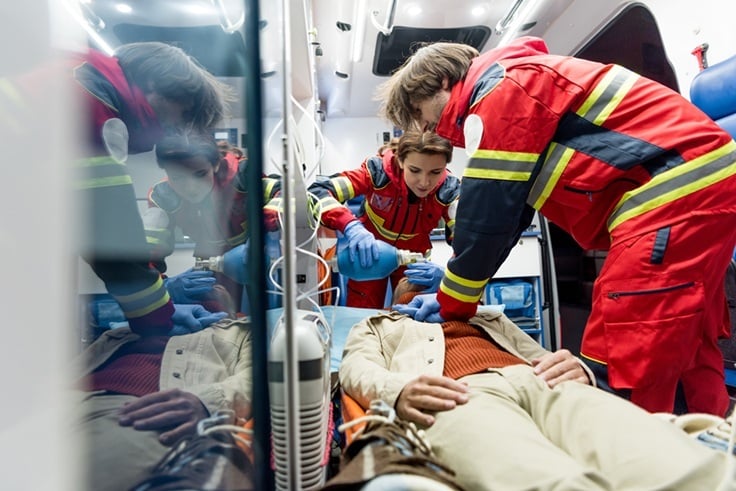
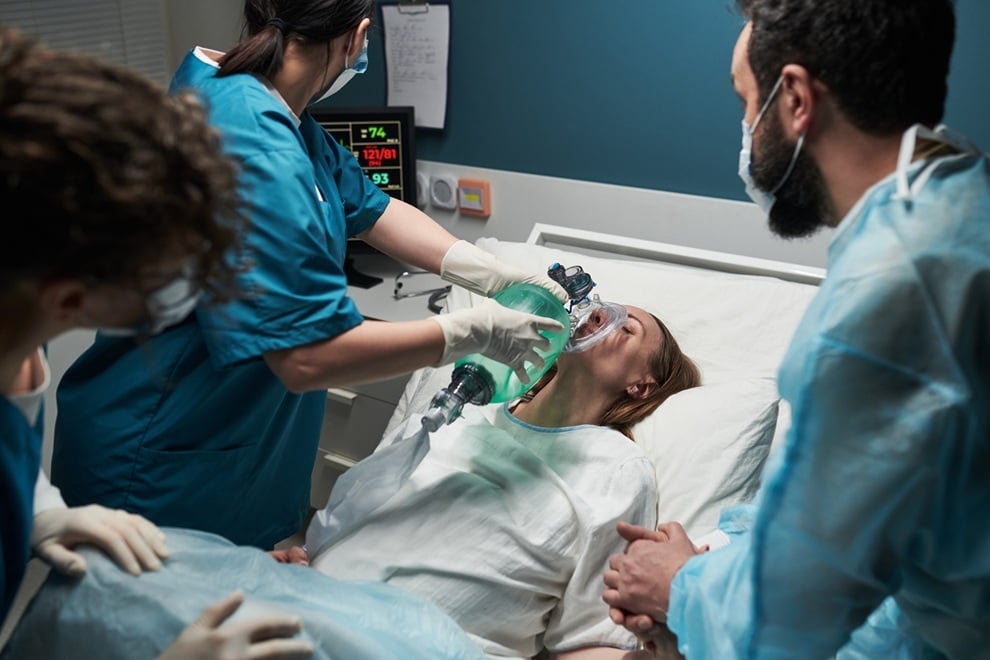
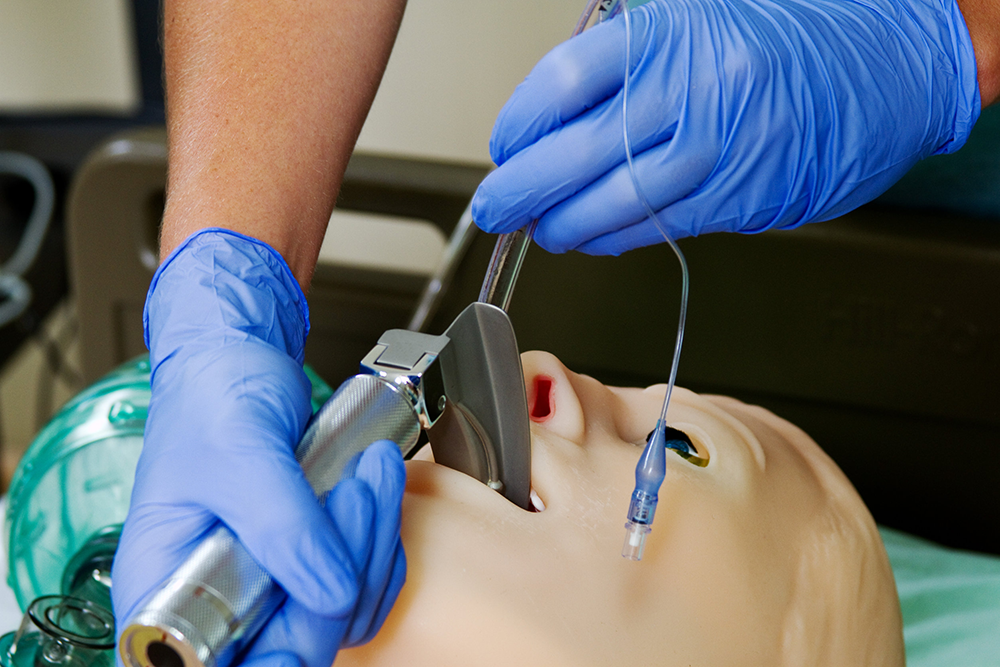
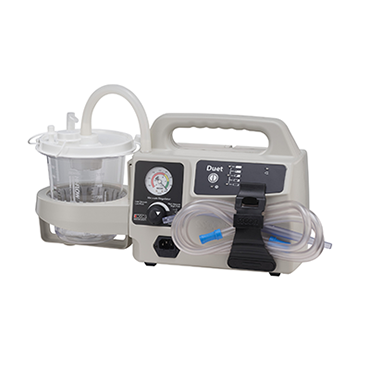
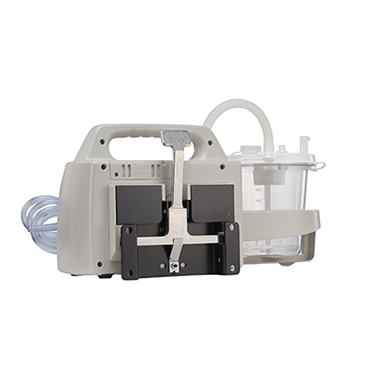
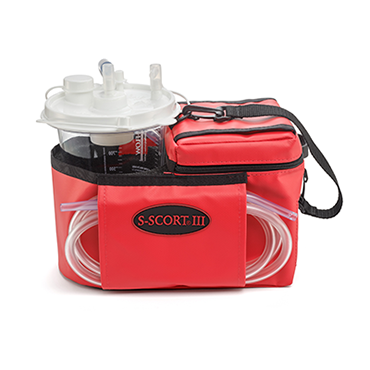
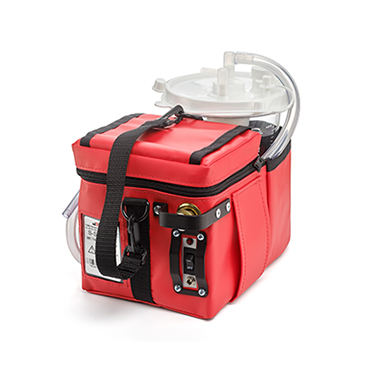
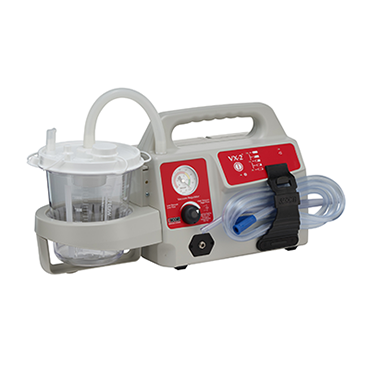
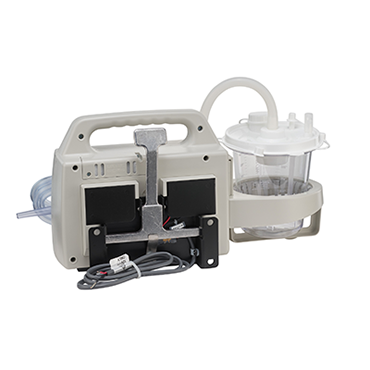
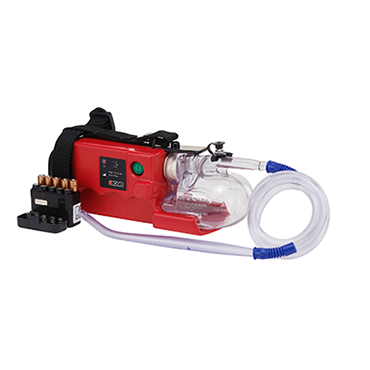
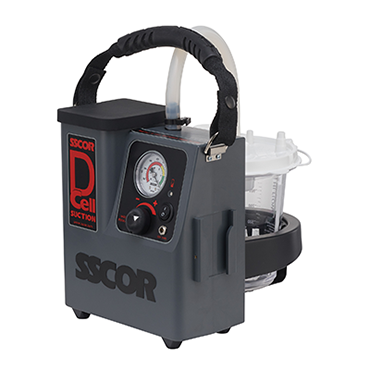
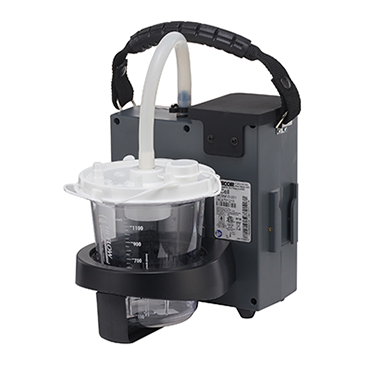
A portable suction unit is a medical device designed to clear a patient's airway by removing fluids, secretions, and debris in emergency medical settings. These units operate by generating negative pressure and airflow to entrain and transport obstructions into a collection canister. Because high-quality portable suction is critical for maintaining airway patency, clinicians must prioritize effective gear like a well-made portable suction unit over inexpensive, below-standard imports. Learning how to choose a portable suction unit correctly ensures that medical teams are prepared for critical airway management scenarios.
Key Takeaways
- A portable suction unit removes fluids and debris to maintain patient airway patency during emergencies.
- Reliability is the primary factor when clinicians evaluate how to choose a portable suction unit.
- Effective suction requires both strong vacuum pressure and sufficient airflow to clear airway obstructions.
- Variable vacuum pressure settings are essential for safely treating pediatric and elderly patient populations.
- Durability and ergonomic design are critical for deploying suction devices across challenging field environments.
Read More
Topics:
Emergency medical suction,
Suction for EMS professionals,
EMS suction,
Medical Suction,
portable suction
Airway suctioning is the mechanical aspiration of secretions, blood, or debris from a patient's airway to maintain patency. This process utilizes a suction machine to generate negative pressure, removing obstructions through a medical-grade catheter. Mastering this skill is vital because suction errors are preventable yet potentially catastrophic, contributing to the high rate of medical error-related deaths. Understanding the most common mistakes clinicians make when operating a suction unit is essential for improving patient safety.
Key Takeaways
- Clinicians must prioritize equipment readiness to ensure patient safety during critical airway emergency procedures.
- Limiting suction duration to fifteen seconds prevents hypoxia and other severe patient airway injuries.
- Selecting the appropriate suction catheter size based on anatomical needs prevents unnecessary airway trauma.
- Suctioning should only occur when clear clinical indications exist rather than as routine practice.
- Rigorous sterilization and decontamination protocols are essential for preventing the spread of communicable diseases.
Read More
Topics:
Medical Suction
Hyperoxygenation is the clinical practice of providing high concentrations of oxygen to a patient to increase arterial oxygen levels before a procedure. In airway management, clinicians learn how to hyperoxygenate before suctioning to create an oxygen reserve that mitigates the risk of procedure-induced hypoxia. Because hypoxia is a common and preventable complication of suctioning, following proper preoxygenation protocols is essential for patient safety.
Key Takeaways
-
Hyperoxygenation creates a vital oxygen reserve to prevent hypoxia during airway suctioning procedures.
-
Clinicians must understand how to hyperoxygenate before suctioning to improve patient safety outcomes.
-
Suctioning removes both secretions and oxygen, making preoxygenation necessary to maintain patient stability.
-
Proper assessment of the airway is required before initiating any suctioning or oxygenation protocols.
-
Post-suctioning monitoring and supplemental oxygenation are critical phases of effective clinical airway management.
Read More
Topics:
Medical Suction
Medical suction is the combination of vacuum pressure and airflow used to remove fluids and particulates from a patient's airway. While the goal is not to remove air itself, airflow is the mechanism that entrains and moves both fluids and solids. Understanding the relationship between vacuum and flow is critical for effective airway management, and clinicians must prioritize learning how vacuum and airflow affect medical suction to ensure patient safety.
Key Takeaways
-
Medical suction functions through the combined mechanical forces of vacuum pressure and consistent airflow.
-
Airflow serves as the essential mechanism for entraining and transporting both liquid and solid particulates.
-
Effective airway management requires both vacuum power for movement and airflow for material entrainment.
-
Clinical suctioning efficiency depends on the device's ability to gather contaminants from the surrounding area.
-
Successful resuscitation relies on the timely removal of inconsistent airway materials to restore oxygen supply.
Read More
Topics:
Emergency medical suction,
Airway management,
Suction for EMS professionals,
EMS suction,
Medical Suction,
airway obstruction,
Aspiration,
Suction Catheter,
Suction during resuscitation,
Preventing aspiration
Medical suction refers to the clinical removal of fluids from a patient to maintain airway patency or manage various medical conditions. This process utilizes a vacuum source to deposit fluids into a secure collection vessel, isolating biohazardous materials from the environment and healthcare providers. Proper fluid containment is essential for preventing the transmission of infectious agents during emergency medical procedures, which is why understanding how medical suction systems prevent aerosol contamination is critical for clinical safety.
Key Takeaways
-
- Medical suction systems isolate biohazardous materials by using vacuum sources to deposit fluids into vessels.
- Aerosol particles generated during suctioning can transport harmful bacteria and viruses into the clinical environment.
- Mechanical shutoff valves and hydrophobic filters are primary mechanisms for preventing fluid overflow and contamination.
- Selecting portable suction units requires evaluating filtration efficiency and resistance to premature shutdown during movement.
- Manufacturers must provide verified test data proving the bacterial filtration effectiveness of their suction canisters.
Read More
Topics:
Medical Suction
Invented in 1907 by Dr. Sidney Yankauer, the Yankauer suction tip has withstood the test of time. The Yankauer suction tip was originally designed to remove blood and secretions from a patient’s oral airway during tonsillectomy procedures. Many practitioners call the Yankauer a “tonsil tip” suction device for this reason.
Read More
Topics:
Medical Suction
Ask any emergency responder, and they'll tell you the critical role portable suction plays in maintaining airway patency. No other tool can remove blood, vomit, or sputum from the airway, or allow you to visualize the cords before intubation.
Read More
Topics:
Medical Suction
Although many first responders express reservations about airway suctioning, it is a potentially life-saving procedure that, when performed correctly, has a low risk of complications. With both cold and flu season and allergies causing year-round respiratory issues, it is always a great time for first responders to brush up on their airway management skills. Continuing education classes and regular drills can prepare you to manage even difficult airways. It’s equally important to be mindful of the main complications of suctioning. Awareness of these potential complications can guide your technique while encouraging your team to remain vigilant and diligent.
Read More
Topics:
Medical Suction
The patient has suffered a gunshot wound to the chest, and his blood pressure is dangerously low. You’ve covered the entry wound to prevent a sucking wound, but the patient is exhaling copious bloody froth. You successfully intubate the patient and are bagging, with good chest rise, but the bloody froth continues to interfere with air exchange. It’s time to suction the tube.
Read More
Topics:
Airway management,
Medical Suction