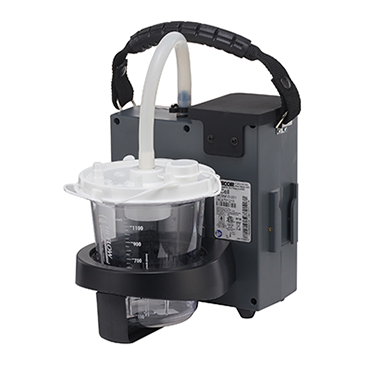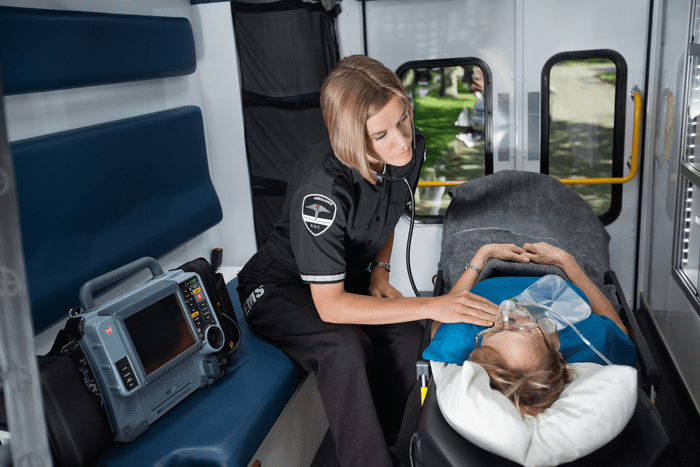
As an EMS professional, one of the most critical decisions you will make is when to secure an advanced airway. Airway decisions are crucial: they must be expedient, effective, and appropriate.

Jul 6, 2024, 8:00:00 AM
As an EMS professional, one of the most critical decisions you will make is when to secure an advanced airway. Airway decisions are crucial: they must be expedient, effective, and appropriate.
Topics: Medical Suction
Jun 27, 2024, 8:00:00 AM

Nasopharyngeal and nasotracheal suctioning are safe, effective alternatives to oral suctioning, especially for patients with oral obstructions such as loose dentures or patients who are unable to cooperate with oral suctioning. Though the procedures are similar, nasotracheal suctioning requires deeper penetration. Here’s what you need to know about these two important interventions.
Topics: Medical Suction
Jun 20, 2024, 8:00:00 AM
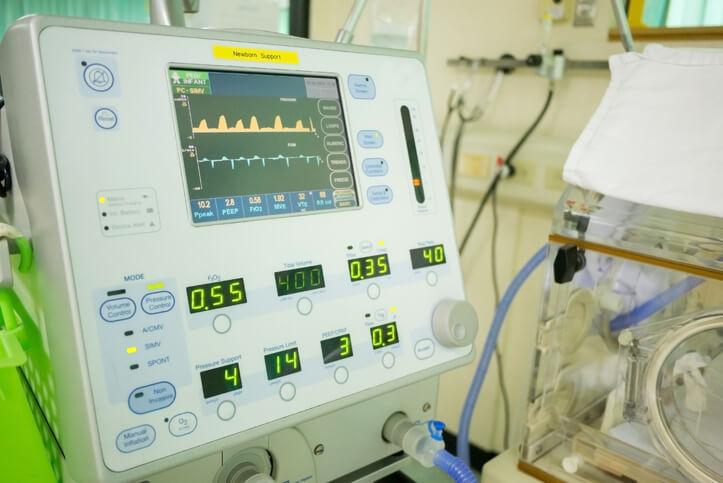
After successful intubation, your patient is mechanically ventilated with a patent airway, and his vital signs stabilize. Then, while transporting your patient, you notice a sawtooth pattern to the ventilator waveform. The patient’s cough is not “junky,” and his oxygen saturation remains stable.
Topics: Medical Suction
May 23, 2024, 8:00:00 AM
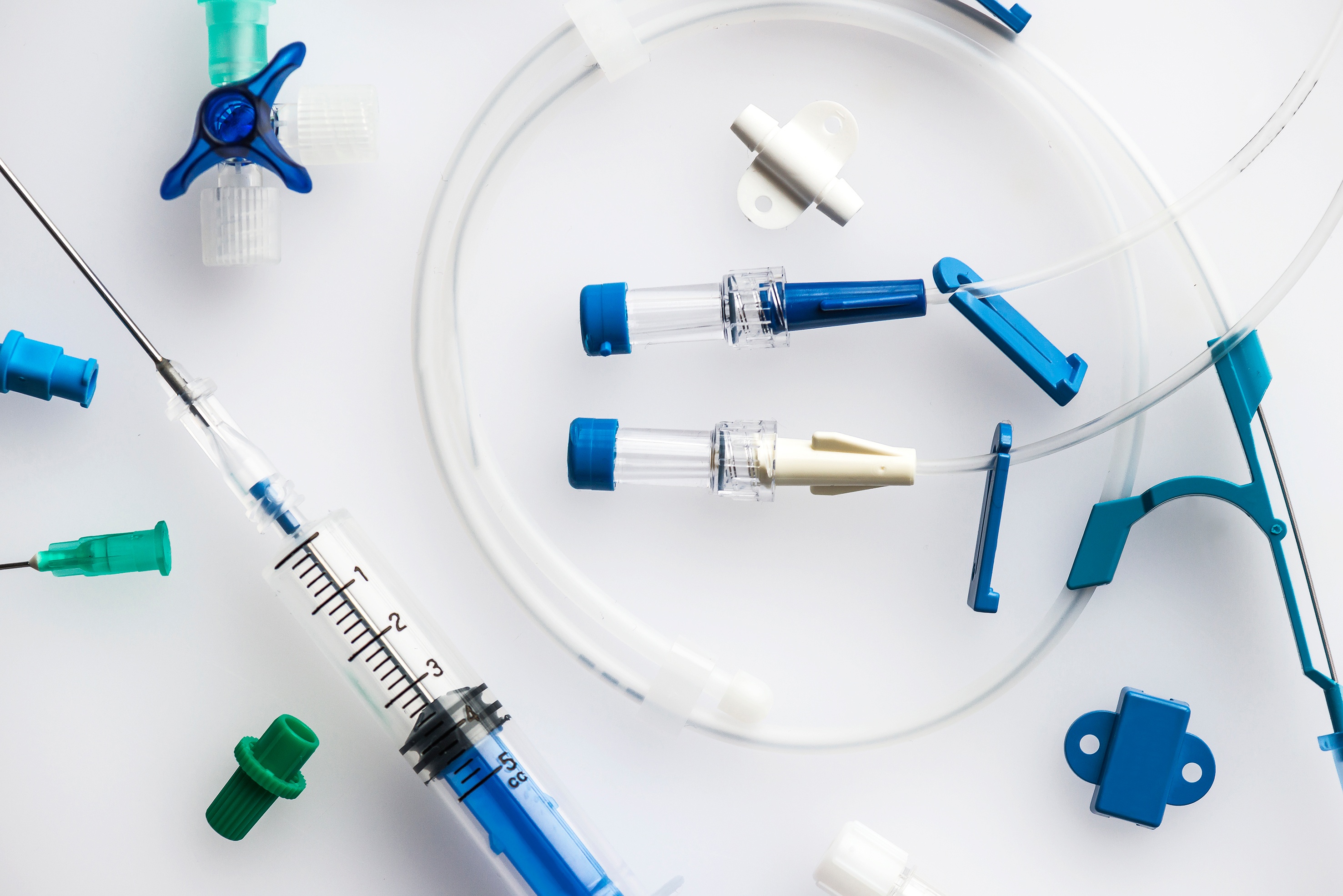
In 1907, otolaryngologist Sidney Yankauer revolutionized the world of medical suction with his eponymous Yankauer suction catheter. Dr. Yankauer worked at the outpatient surgery department of Mount Sinai Hospital and while there, this unassuming ENT specialist invented numerous pieces of medical equipment. Dr. Yankauer is hailed as a medical genius and admired for his prolific publishing output.
Topics: Medical Suction
May 11, 2024, 8:00:00 AM
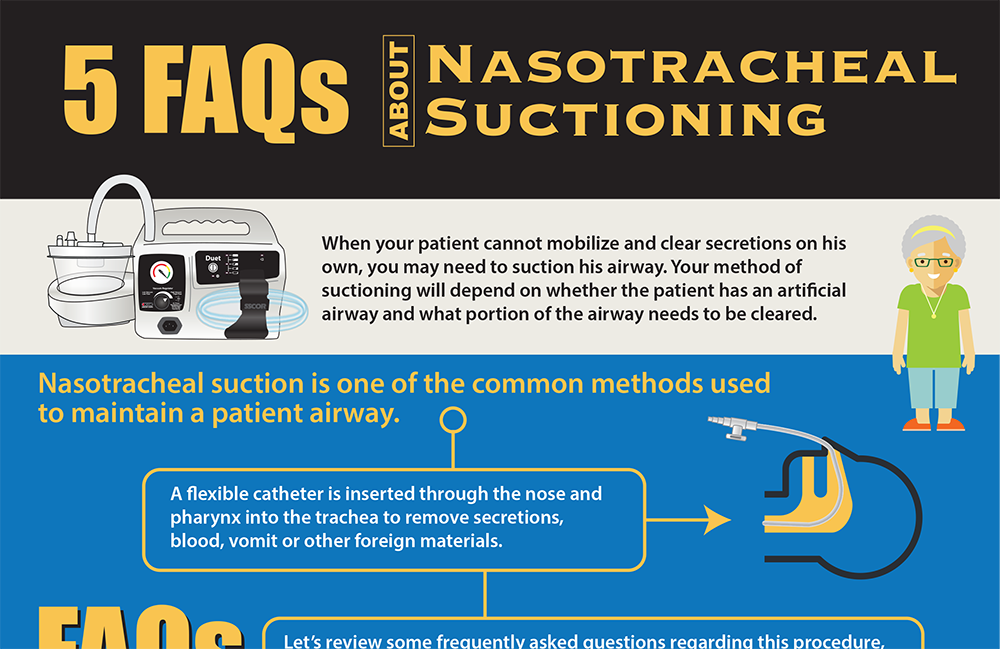

When your patient cannot mobilize and clear secretions independently, you may need to suction their airway. Your suctioning method will depend on whether the patient has an artificial airway and what portion of the airway needs to be cleared.
Topics: Medical Suction
May 4, 2024, 8:00:00 AM
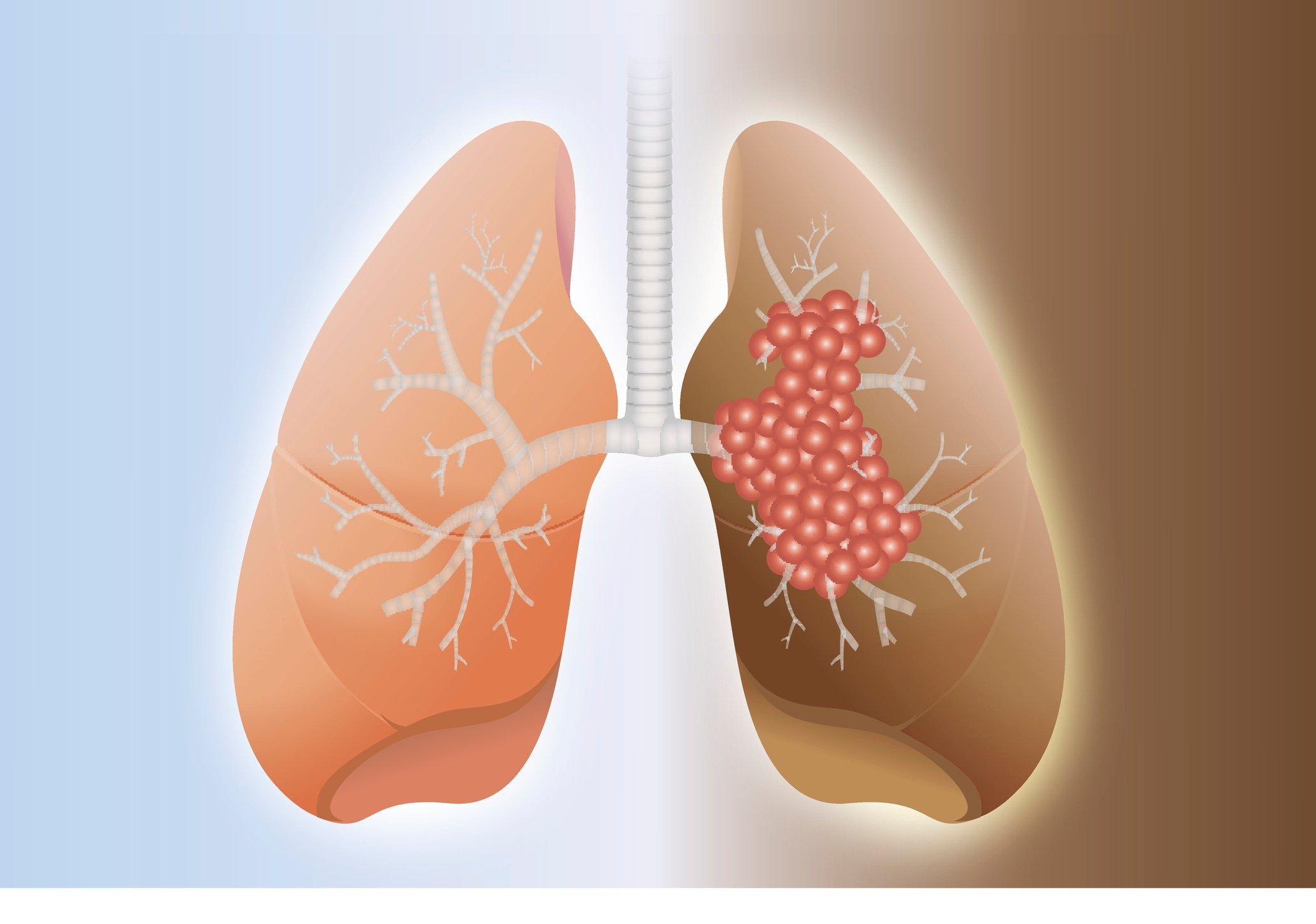
Pulmonary aspiration is a common medical emergency, especially in patients with endotracheal tubes or other aspiration risk factors. In fact, one study found aspiration has been reported in about 25% of intubated patients. Aspiration is a life-threatening medical emergency. Seconds count, so proper suction in a pulmonary aspiration emergency is critical. Here’s what you need to know to save lives.
Topics: Medical Suction
Apr 18, 2024, 8:00:00 AM

Sooner or later, every nurse must suction a patient. For nurses who work in intensive care units or emergency care, or who support patients with spinal cord injuries, suctioning may be a daily part of the job. When suctioning becomes routine, it’s easy to lose sight of the risks. Some simple precautionary measures can both reduce risk and improve patient outcomes.
Topics: Medical Suction
Apr 13, 2024, 8:00:00 AM
Suctioning can prevent a wide range of severe complications and save lives in emergencies. But like all medical procedures, it carries some risks. One analysis found a complication rate of 38.6% in routine endotracheal suctioning, though a less invasive procedure reduced complications to 28.6%. However, small changes in technique, such as appropriately pre-oxygenating patients before suctioning, can reduce the risk of complications. Most common suctioning side effects are preventable. Here are the strategies your agency can implement today to improve patient safety.
Topics: Medical Suction
Mar 23, 2024, 8:00:00 AM

The majority of portable suction devices are powered by sealed lead-acid batteries. While this type of battery uses stable and reliable chemistry, it can lose capacity over time and require replacement. When buying a replacement battery for your portable suction device, there are a few things you should keep in mind.
Topics: Battery-powered suction, Emergency medical suction, Airway management, Medical Suction
Feb 29, 2024, 8:00:00 AM

It’s winter, and the cold presents unique challenges to first responders. If you didn’t do it this year, take the time now and before next winter to take stock of your equipment and winterize your first responder kit. Here are five the steps to take:
Topics: EMS suction, Medical Suction