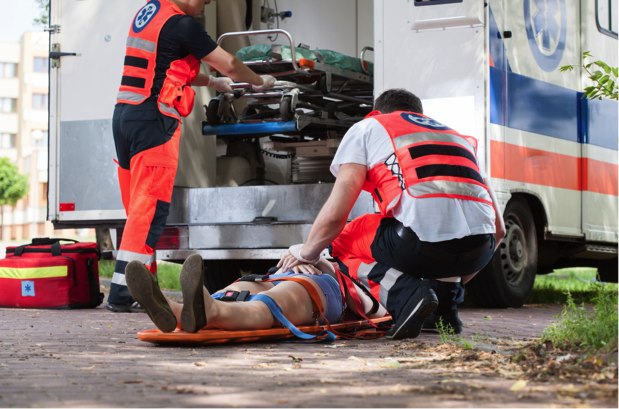
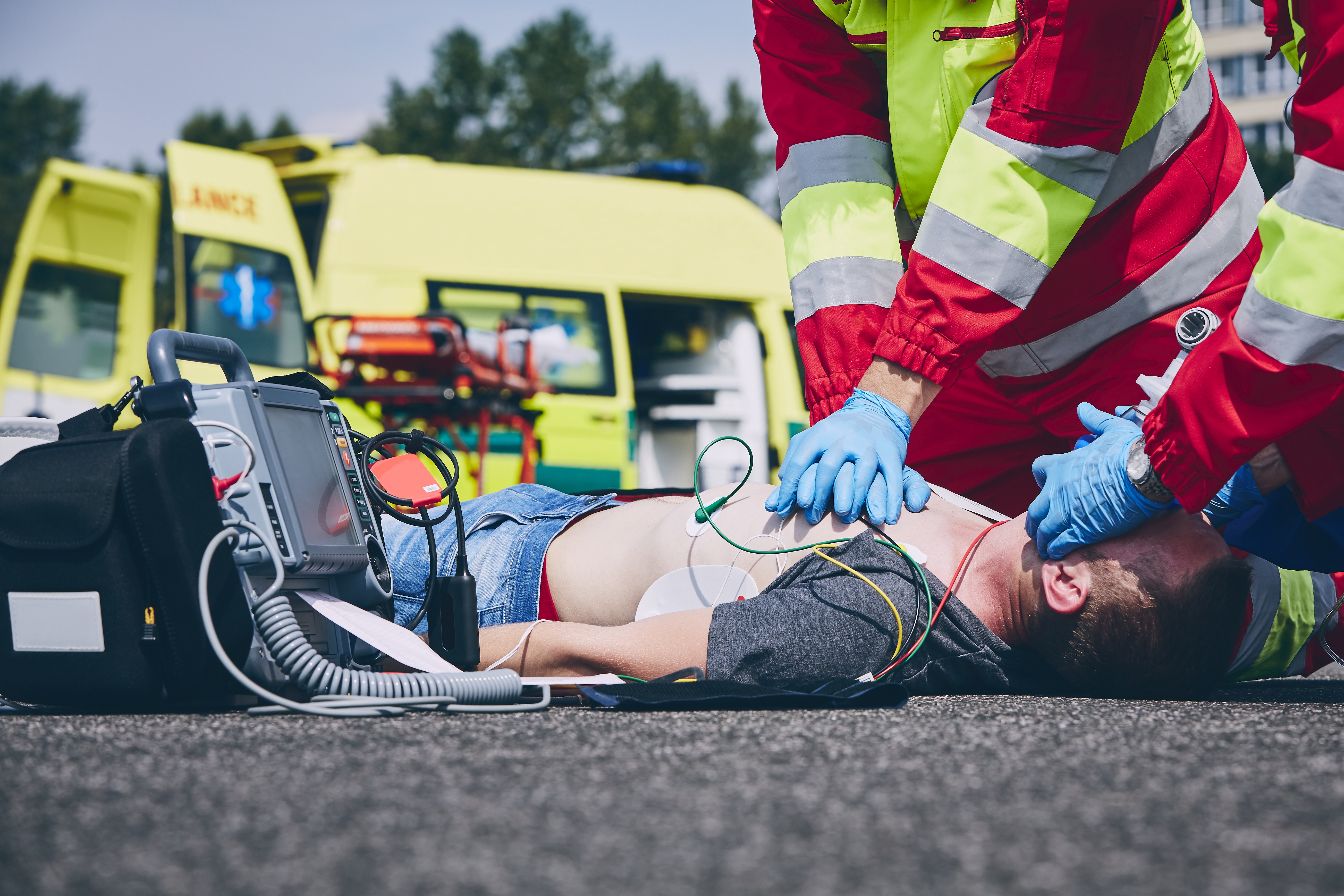
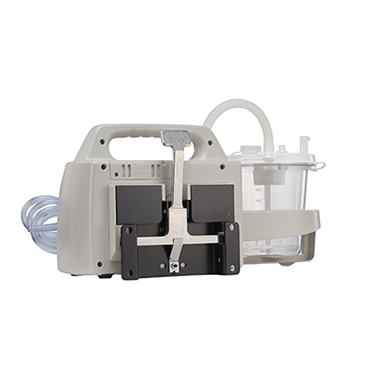
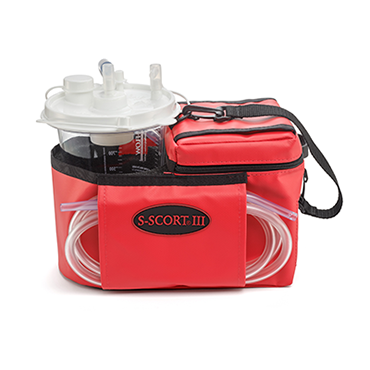
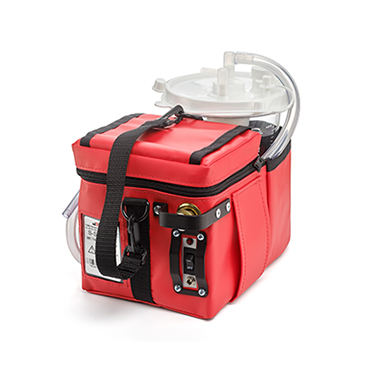
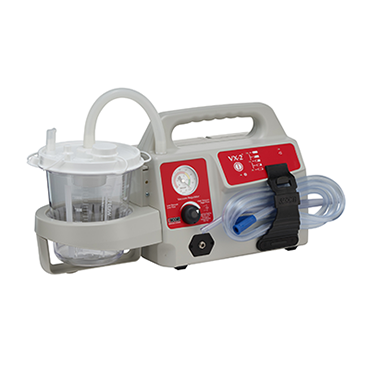
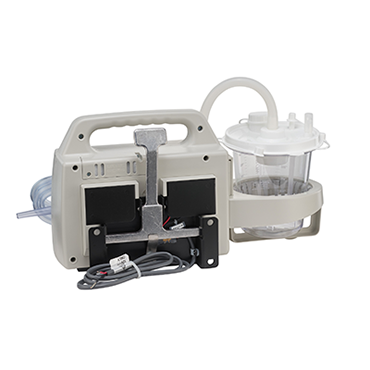
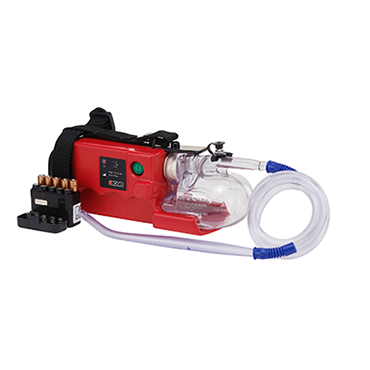
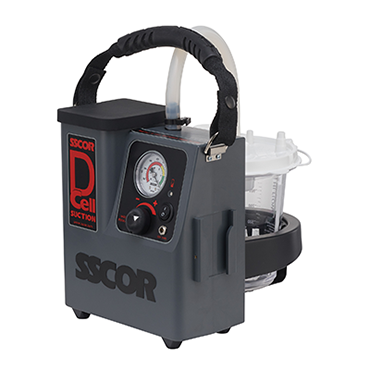
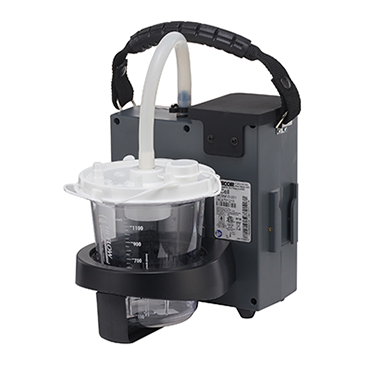
Efficient emergency medical responses are defined by the principle to "be quick, but don’t hurry," a concept famously advocated by coach John Wooden that requires a balance of clinician training and intuitive equipment design. This mechanism allows a well-trained provider to execute life-saving skills rapidly while minimizing the risk of errors caused by rushed movements. Understanding how equipment design improves emergency medical response is essential for prioritizing devices with straightforward controls to optimize patient outcomes during high-stress airway management and resuscitation procedures.
Key Takeaways
-
- Intuitive device controls directly reduce the risk of human error during high-stress medical emergency procedures.
- Proper equipment selection balances clinical training requirements with the need for rapid, efficient device deployment.
- Standardizing device interfaces across hospital and field environments improves clinician performance and reduces cognitive load.
- Portable medical devices must maintain full functionality and stability during patient transport to ensure continuous care.
- Selecting essential features over unnecessary complexity streamlines emergency workflows and enhances overall patient safety outcomes.
Read More
Topics:
Handheld portable suction,
Emergency medical suction,
Suction for EMS professionals,
EMS suction,
Patient Transport,
Emergency Preparedness,
EMS Professionals
Medical suction is the combination of vacuum pressure and airflow used to remove fluids and particulates from a patient's airway. While the goal is not to remove air itself, airflow is the mechanism that entrains and moves both fluids and solids. Understanding the relationship between vacuum and flow is critical for effective airway management, and clinicians must prioritize learning how vacuum and airflow affect medical suction to ensure patient safety.
Key Takeaways
-
Medical suction functions through the combined mechanical forces of vacuum pressure and consistent airflow.
-
Airflow serves as the essential mechanism for entraining and transporting both liquid and solid particulates.
-
Effective airway management requires both vacuum power for movement and airflow for material entrainment.
-
Clinical suctioning efficiency depends on the device's ability to gather contaminants from the surrounding area.
-
Successful resuscitation relies on the timely removal of inconsistent airway materials to restore oxygen supply.
Read More
Topics:
Emergency medical suction,
Airway management,
Suction for EMS professionals,
EMS suction,
Medical Suction,
airway obstruction,
Aspiration,
Suction Catheter,
Suction during resuscitation,
Preventing aspiration
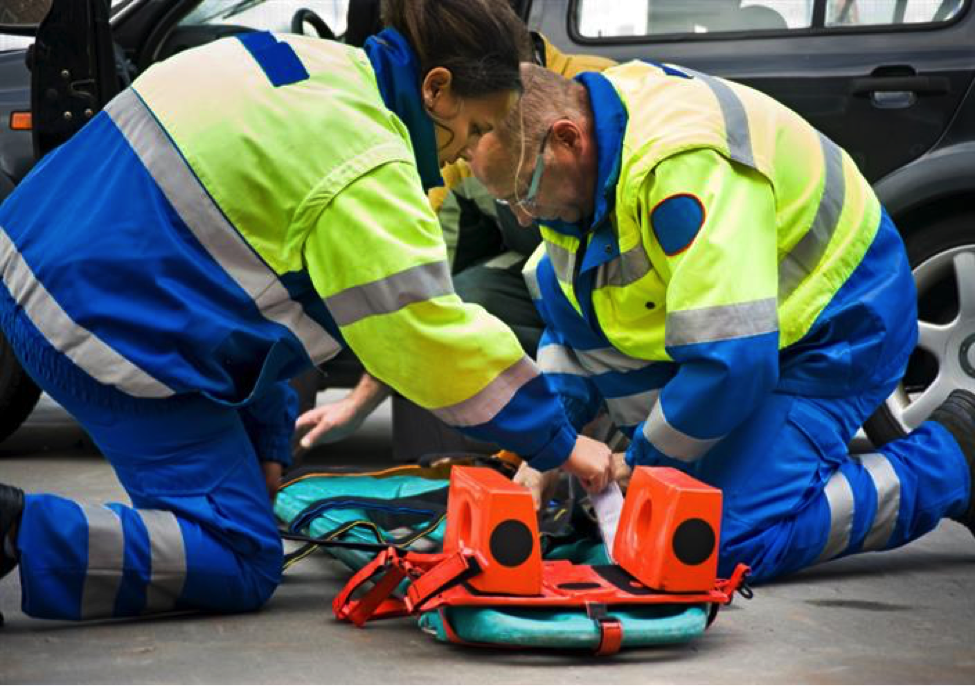
Distracted driving is responsible for about 3,000 deaths each year. Knowing how to treat patients in such crises and paying special attention to potential airway problems is essential for providing proper care.
Read More
Topics:
Airway management,
Suction for EMS professionals
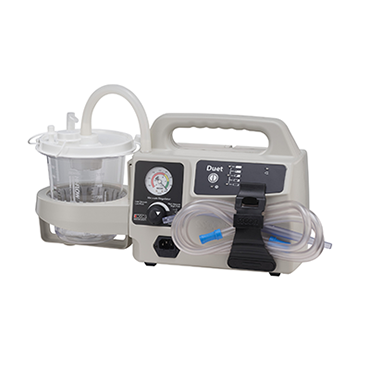
Portable suction is only used in the field on select calls and not daily. However, when it is needed, it can make the difference between a patient who leaves the hospital and one who dies of aspiration pneumonia after successful resuscitation.
Read More
Topics:
Emergency medical suction,
Suction for EMS professionals
Emergency medical responders are responsible for saving lives every day. Their knowledge and skills enable them to quickly assess and treat patients who may be unconscious, unable to communicate, or located in remote terrain.
Read More
Topics:
Emergency medical suction,
Suction for EMS professionals
The emergence of the COVID-19 virus saw an unprecedented surge in airway emergencies, with millions of people across the globe infected. Whether your agency previously suctioned people daily or suction was new to your repertoire, odds are you’ve done, and continue to do so more than ever before.
Read More
Topics:
Suction for EMS professionals
As you approach your patient, you hear him snoring and notice the familiar sound of gurgling coming from his mouth. You immediately know you will be working to manage his airway—all within seconds of looking at, listening to, speaking with, and touching the patient. Remember: The first few seconds when you approach your patient will likely give you the most clinical information about your patient’s condition, bombarding you with information rapidly, sometimes instantaneously.
Read More
Topics:
Suction for EMS professionals
Although the placement of chest tubes usually falls to physicians, many healthcare workers have had to care for patients with chest tubes in place, either in a hospital setting or during transport. Chest tubes are a critical factor in certain respiratory emergencies, so let’s review the indications for placement and some of the dangerous complications you can avoid when caring for such patients.
Read More
Topics:
Suction for EMS professionals
Your BLS engine company is dispatched to a “difficulty breathing” call and your ALS rescue is still in the process of delivering their previous patient to the hospital. Dispatch is sending the next closest rescue, but the responding unit has just notified you that they are held up by a train.
Read More
Topics:
Suction for EMS professionals,
EMS suction