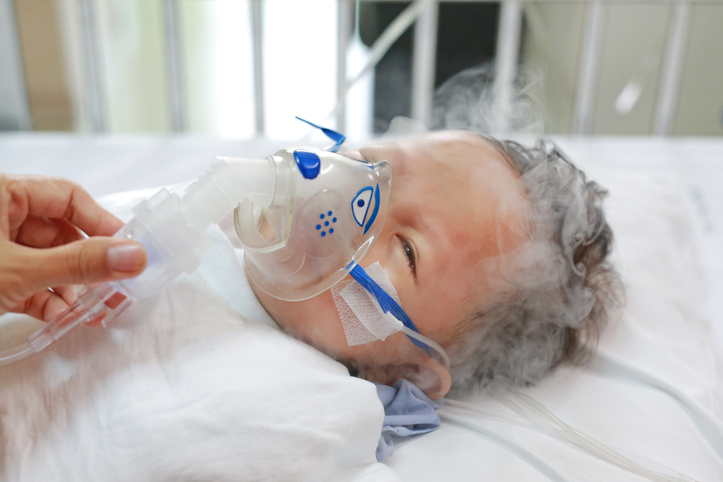
Compared to some complicated or invasive patient procedures that you perform, nasotracheal suctioning may not seem like a big deal. However, there are risks involved, and proper technique and patient monitoring are crucial.
Whether you're in a Hospital or EMS setting, this is the place for you. We'll share information on current industry news, tips, as well as the latest and greatest in SSCOR products.
Our hope is that this blog is not only informative but a collaborative and open forum for you to share your thoughts on developing opportunities and challenges within your profession.
Subscribe. Share your thoughts. Enjoy.
-SSCOR Team
Posted by Sam D. Say
Jul 4, 2024 8:00:00 AM
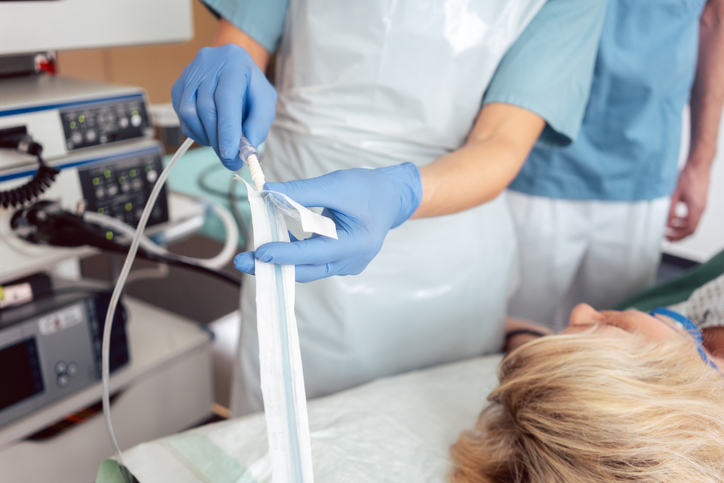
Compared to some complicated or invasive patient procedures that you perform, nasotracheal suctioning may not seem like a big deal. However, there are risks involved, and proper technique and patient monitoring are crucial.
Nasopharyngeal and nasotracheal suctioning are safe, effective alternatives to oral suctioning, especially for patients with oral obstructions such as loose dentures or patients who are unable to cooperate with oral suctioning. Though the procedures are similar, nasotracheal suctioning requires deeper penetration. Here’s what you need to know about these two important interventions.
Topics: Medical Suction
Posted by Sam D. Say
Jun 22, 2024 8:00:00 AM
Residents of a skilled nursing facility are significantly more likely than other people to go to the hospital. These hospital stays can be disruptive and frightening, especially for people with dementia. The right medical equipment can manage many minor medical conditions, preventing them from worsening and reducing the need to transport residents to the hospital.
Topics: Emergency Preparedness
Posted by Sam D. Say
Jun 20, 2024 8:00:00 AM
After successful intubation, your patient is mechanically ventilated with a patent airway, and his vital signs stabilize. Then, while transporting your patient, you notice a sawtooth pattern to the ventilator waveform. The patient’s cough is not “junky,” and his oxygen saturation remains stable.
Topics: Medical Suction
Hypotension is clinically defined as systolic blood pressure below 90 or diastolic blood pressure below 60. Slight variations in these figures are normal, and very fit people may have unusually low blood pressure. So it’s important to take into account the patient’s full condition, not just their blood pressure.
Topics: Emergency medical suction
Hypoxia is one of the most common suctioning complications. It’s also preventable in most scenarios. Hyperoxygenate a patient before suctioning to reduce the risk of hypoxia as well as other suctioning complications. Here’s what you need to know about the process.
Topics: Medical Suction
Posted by Sam D. Say
Jun 8, 2024 8:00:00 AM
Predicting difficult airways is key to successful intubation, and can minimize psychological and physical trauma to patients. Patients with difficult airways face higher morbidity and mortality rates because intubation may be delayed or even impossible. A simple mnemonic device can help you quickly assess a patient’s airway and respond appropriately.
Topics: Airway management
Respiratory distress is a common reason for emergency room visits in children and neonates. Children under four are especially vulnerable to respiratory problems. First responders typically see an uptick in respiratory issues among children during cold and flu season. A prompt response can save lives; in 2023, 106 children died from flu complications.
Topics: Respiratory
Posted by Sam D. Say
May 30, 2024 8:00:00 AM
Although the placement of chest tubes usually falls to physicians, many healthcare workers have had to care for patients with chest tubes in place, either in a hospital setting or during transport. Chest tubes are a critical factor in certain respiratory emergencies, so let’s review the indications for placement and some of the dangerous complications you can avoid when caring for such patients.
Topics: Suction for EMS professionals
In 1907, otolaryngologist Sidney Yankauer revolutionized the world of medical suction with his eponymous Yankauer suction catheter. Dr. Yankauer worked at the outpatient surgery department of Mount Sinai Hospital and while there, this unassuming ENT specialist invented numerous pieces of medical equipment. Dr. Yankauer is hailed as a medical genius and admired for his prolific publishing output.
Topics: Medical Suction
Images and content of this blog are © 2023 SSCOR, Inc. All rights reserved.